

Global Warning Bell: The Heavy Toll of Chemical Pesticides
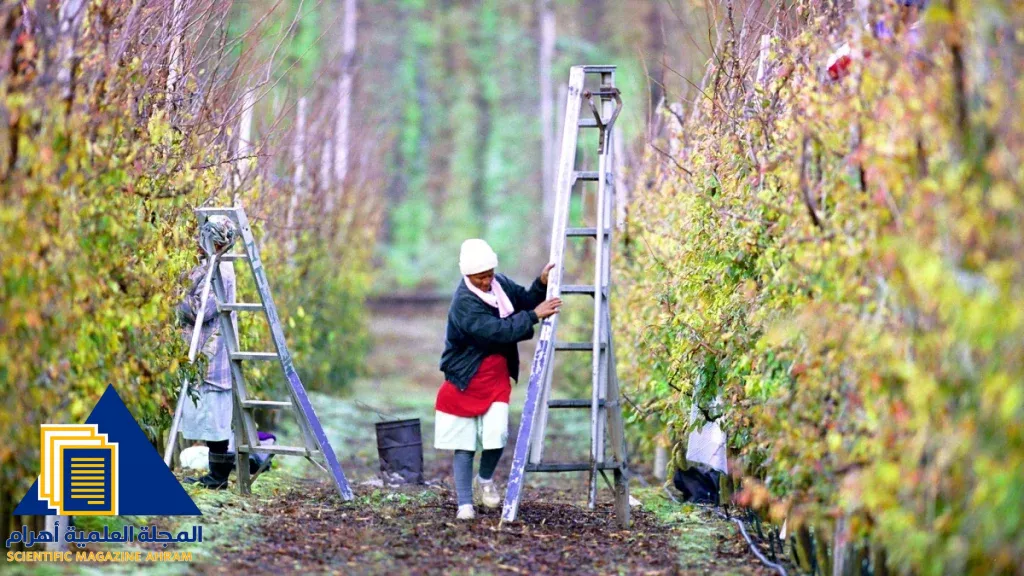
At a time when the world is striving to secure its food supply amid climate challenges and agricultural pests, a global health dilemma is drawing concern from experts. Scientific reports point to 385 million cases of unintentional acute poisoning every year caused by chemical pesticides. This alarming figure reflects the heavy reliance on synthetic substances to protect crops from pests such as the fall armyworm and mealybugs, placing farmers in direct contact with serious health hazards.
South Africa as a Model: Searching for a Safe Way Out
South Africa’s experience today serves as an indicator of an anticipated global shift as the country begins to reassess its agricultural policies. Farmers there, whether smallholders or commercial farm owners, are realizing that continuing to spray crops with traditional chemical pesticides is not a sustainable option. The search is now turning toward biological and natural alternatives capable of curbing pests without leaving toxic residues in the soil or in the bodies of field workers.
Public Health Versus Productivity
The problem with pesticides is not limited to crop damage or their effectiveness in eliminating insects; it extends to become a public health crisis. Acute poisoning is not the only risk, as studies point to long-term accumulations that may cause chronic health damage. Therefore, moving toward integrated pest management, using natural enemies, and employing plant-derived biopesticides has become an urgent necessity rather than a mere scientific luxury.
The Future of Agriculture: Toward Green Sustainability
The shift toward sustainable agriculture requires combining technology with local expertise. The challenge lies not in abandoning protection altogether, but in finding a “green balance.” The new practices in South Africa offer valuable lessons for farming communities around the world, confirming that protecting food production should not come at the expense of human safety or environmental balance. The future is undoubtedly heading toward smarter and less toxic agricultural techniques to ensure both our food security and our health at the same time.
By: Hany Sallam
Source: news.mongabay.com


Latest video
تابع معنا تحليل قراءة الصحف اليومية مع الكاتب الصحفي Hany Sallam عبر