

The Mystery of Human Evolution and Past Viruses
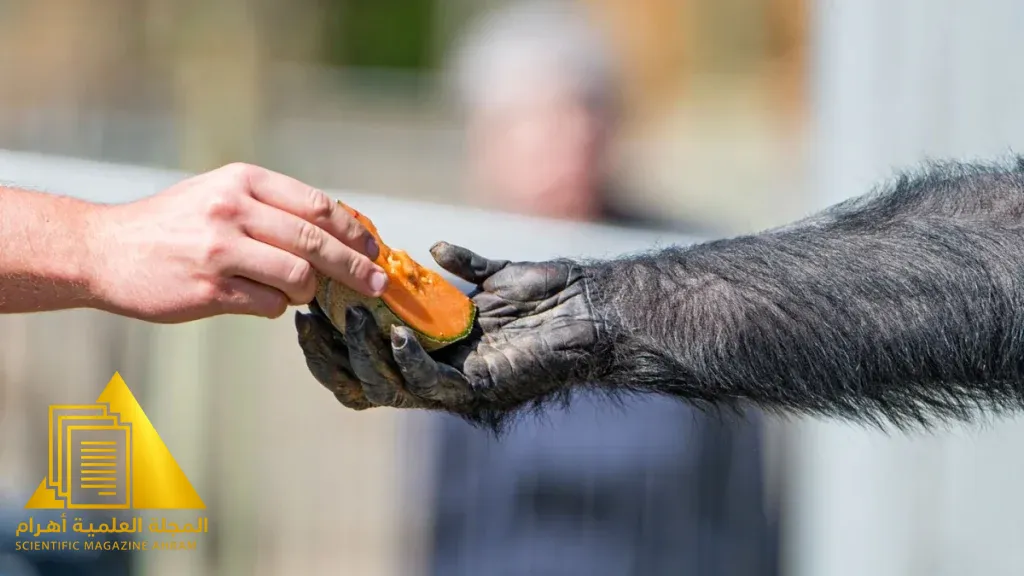
Over millions of years, our human ancestors’ brains underwent remarkable development that set us radically apart from our closest living relatives, chimpanzees. Although scientists have long searched for the reasons behind this fundamental difference in size, complexity, and function, the answer may lie in a completely unexpected place: an ancient viral infection.
Genetic Remnants That Left Their Mark
The latest scientific research indicates that prehistoric viruses that attacked our early ancestors may have played a critical role in shaping our current brains. When living organisms are infected by a virus, they sometimes leave behind some of their genetic code within the host’s DNA. Although these “remnants” were long considered mere “junk DNA,” modern discoveries prove quite the opposite, showing that these accumulated viral codes have reshaped how genes work and evolve.
How Human Brains Outpaced Chimpanzees
When comparing the human genome to that of chimpanzees, scientists observe clear differences in how these integrated ancient viruses are activated. Over time, these viral remnants appear to have turned into precise regulatory switches that control the genes responsible for brain development. Because these switches differ between humans and chimpanzees, each species followed a completely different evolutionary path, granting humans the unique cognitive and mental abilities they enjoy today.
New Horizons for Understanding Human Intelligence
These findings open a wide door to a deeper understanding of the complexities of the human brain and what distinguishes us as a species. The idea that our ancestors’ struggle with microscopic pathogens helped shape our intellectual abilities reflects how interconnected life on Earth is, and how an ancient, unknown infection could become the secret behind our mental superiority.
By: Hany Sallam
Source: sciencenews.org


Latest video
تابع معنا تحليل قراءة الصحف اليومية مع الكاتب الصحفي Hany Sallam عبر