

A Historic Return to the Lunar Surface
After an absence of more than half a century, humanity is preparing to write a new chapter in the history of space exploration. NASA is planning to return astronauts to the lunar surface in 2028, in a first of its kind step since the historic landing of the Apollo 17 mission in 1972. This time, however, the goal is not limited to a mere temporary visit, but paves the way for building a permanent and sustainable human presence over the long term.
Extracting Resources and Building Settlements
Establishing a permanent human base on the Moon is not easy; it requires complex and precise operations starting with the provision of sustainable energy sources, passing through the development of advanced technologies to extract water and mineral resources from lunar soil, and ending with the construction of habitats capable of protecting astronauts from harsh conditions. These interconnected steps will form the basic foundation for launching toward more distant missions in the solar system, and possibly toward the Red Planet.
The Role of Artificial Intelligence in Shaping the Future of Space
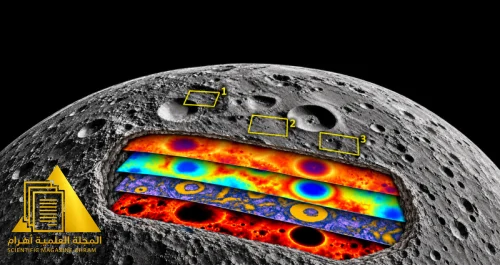
With the tremendous development in the uses of artificial intelligence in our daily life, scientists today stand before a revolutionary tool capable of changing the rules of the game in space exploration. Smart systems are employed to analyze massive amounts of data and satellite images with high precision, helping experts determine the best future landing sites for lunar and Martian stations with unprecedented accuracy and safety.
By: Hany Sallam
Source: universetoday.com


Latest video
تابع معنا تحليل قراءة الصحف اليومية مع الكاتب الصحفي Hany Sallam عبر