


Artificial Intelligence and Alzheimer’s Disease

By Mohamed Al-Amin – Programmer and Graphic Designer
Artificial Intelligence in Chatbots
One of the most defining features of our current era is the integration of artificial intelligence into all aspects of life. Users compete to acquire this technology, just as manufacturers race to develop it and incorporate it into their products.
One fruit of artificial intelligence is modern technology known as a chatbot, which involves using AI in messaging programs.

Definition of a Chatbot
A chatbot is defined as a conversational application that assists in customer service, engagement, and support by replacing or supplementing human technical support agents with artificial intelligence and other automation technologies that can communicate with end users via chat.
But What Does This Have to Do with Alzheimer’s Disease?
Current practice for diagnosing Alzheimer’s disease typically involves reviewing medical history alongside a lengthy series of physical and neurological assessments and tests.
Although there is no cure for the disease yet, detecting it early can give patients more options for treatment and support.
This Is Where Artificial Intelligence Steps In
Artificial intelligence catches subtle clues—such as hesitation, grammar and pronunciation errors, forgetting the meanings of words, and other signs that combine to form an early diagnosis of this severe disease.

Researchers plan to develop a web application that can be used at home or in a doctor’s office as a pre-screening tool.
The Role of Artificial Intelligence in Treatment
The role of artificial intelligence is not limited to diagnosing the disease; its deeper function lies in analyzing the condition and linking symptoms to causes, which will inevitably affect the discovery of a treatment.
Simply put, modern technology called BrainNetCNN classifies brain images and identifies the brain regions and connectivity involved in Alzheimer’s disease and its constantly growing symptoms.
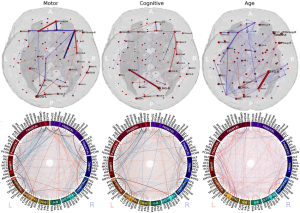
Currently, artificial intelligence models have been refined to identify patterns that predict the diagnosis and progression of Alzheimer’s disease, and to distinguish between several subtypes of the condition.
The results of this development are expected to help new innovations for treating the disease or curbing its devastating symptoms.
Sources:
Fabrizio, C.; Termine, A.; Caltagirone, C.; Sancesario, G. Artificial Intelligence for Alzheimer’s Disease: Promise or Challenge? Diagnostics 2021, 11, 1473. https://doi.org/10.3390/diagnostics11081473
A Essemlali, E St-Onge… – Medical Imaging with …, 2020 Understanding Alzheimer disease’s structural connectivity through explainable AI.


Latest video
تابع معنا تحليل قراءة الصحف اليومية مع الكاتب الصحفي Hany Sallam عبر