

Protective Shield in the Heart of the Ocean
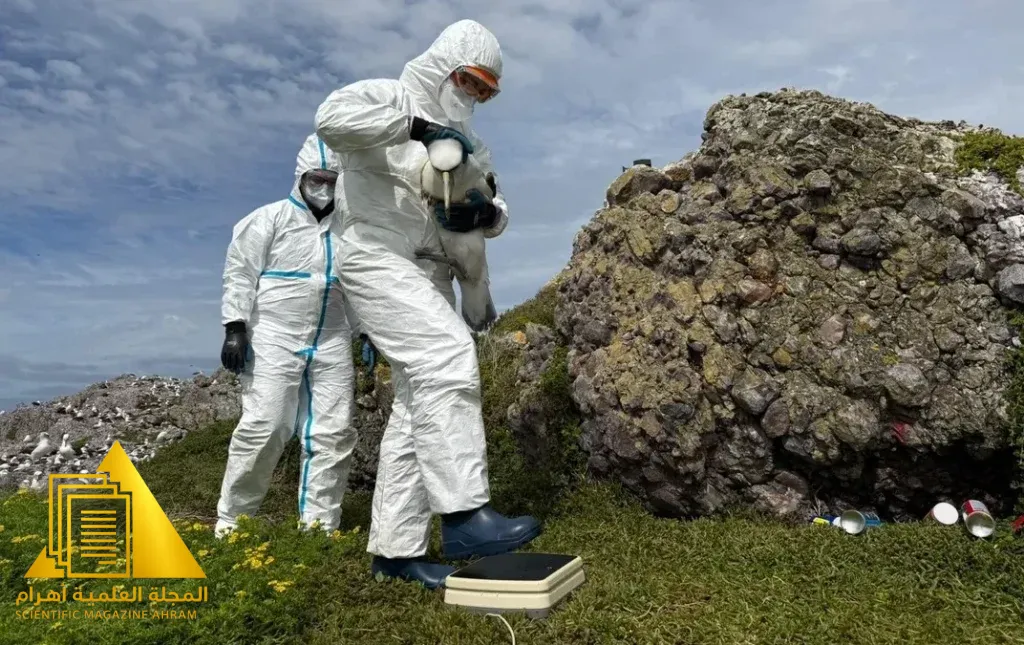
In a proactive step reflecting Australia’s commitment to protecting its unique biodiversity, wildlife biologists have launched an ambitious and unprecedented campaign to manually vaccinate albatrosses. This initiative targets remote Albatross Island, a vital home for these majestic seabirds, as part of a major national strategy to curb the fallout from the avian flu virus that threatens to sweep through sensitive ecosystems.
The Field Vaccination Challenge
The plan relies on direct contact with the birds in their natural habitat, where experts aim to vaccinate nearly 100 birds by administering two doses of the specialized vaccine to each. Despite the shy nature of these birds and the difficulty of reaching their nests in rugged areas, the scientific medical team considers this step an urgent necessity to build an immune barrier protecting albatross flocks from viral epidemics that could lead to the collapse of their numbers.
Digital Monitoring to Ensure Survival
The mission does not stop at injection with the vaccine; it extends to include an advanced technical system to monitor the health status of the immunized birds. Scientists are using remote field surveillance cameras, in addition to regular periodic site visits, to assess the birds’ response to the vaccine and monitor any abnormal symptoms. This close monitoring aims to gather accurate scientific data on the vaccine’s effectiveness in wildlife conditions, paving the way for the development of global strategies to protect endangered species from infectious diseases.
A Message of Hope for the Environment
These efforts come at a time when the world faces mounting environmental threats, placing Australia in a leading position in the field of nature conservation. Careful and scientifically grounded human intervention represents the last hope for many marine creatures, and confirms that protecting wildlife requires more than mere monitoring; it requires bold action and meticulous planning to ensure the continuity of ecological balance on our planet, which still hides many secrets.
By: Hany Sallam
Source: smithsonianmag.com


Latest video
تابع معنا تحليل قراءة الصحف اليومية مع الكاتب الصحفي Hany Sallam عبر