
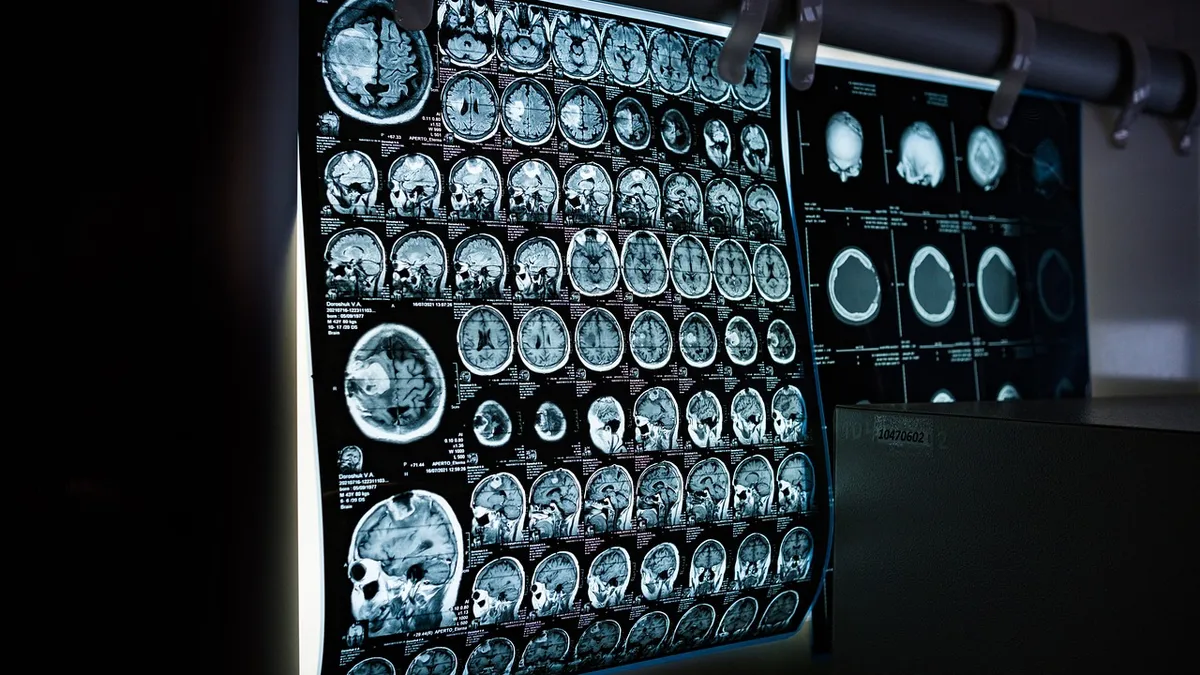

New Medical Development in Sweden to Treat Severe Depression
In an advanced medical step that may change the future of psychiatric treatment, researchers and doctors in Sweden have begun testing tiny electronic chips implanted inside the brain to treat severe cases of depression that have not responded to conventional medications.
The Swedish project relies on deep brain stimulation techniques, with the electronic chips sending precise electrical pulses to specific areas within the brain linked to mood and emotional response.
How Do Brain Chips Work?
Doctors implant extremely small electronic electrodes inside specific neural regions, which are then connected to a smart device that controls the intensity and timing of the electrical signals.
The treatment aims to reorganize abnormal neural activity associated with chronic depression and complex psychological conditions.
The Swedish team also uses artificial intelligence systems to analyze brain activity in real time and adjust the neural stimulation more precisely for each patient.
Initial Results That Inspire Optimism
According to initial results, some patients showed a marked improvement in symptoms shortly after starting treatment, especially in cases where traditional medications and psychotherapy failed.
Researchers believe that combining neurological technologies with artificial intelligence may open the door to a new generation of personalized neurological treatments.
Growing Global Interest
The Swedish project is receiving growing interest in Europe and the United States, especially with the surge in brain-computer interface research in recent years.
Specialists believe the future may see the proliferation of smart neurological devices capable of modulating brain activity to treat depression, anxiety, and other neurological disorders.
The Future of Smart Neuro-Medicine
The world is currently witnessing a major medical race to develop technologies linking the brain, electronics, and artificial intelligence to improve quality of life and treat complex diseases.
Swedish researchers believe this technology may represent the start of a new era in neuropsychiatry if large-scale trials prove successful in the coming years.
Hany Sallam


Latest video
تابع معنا تحليل قراءة الصحف اليومية مع الكاتب الصحفي Hany Sallam عبر