
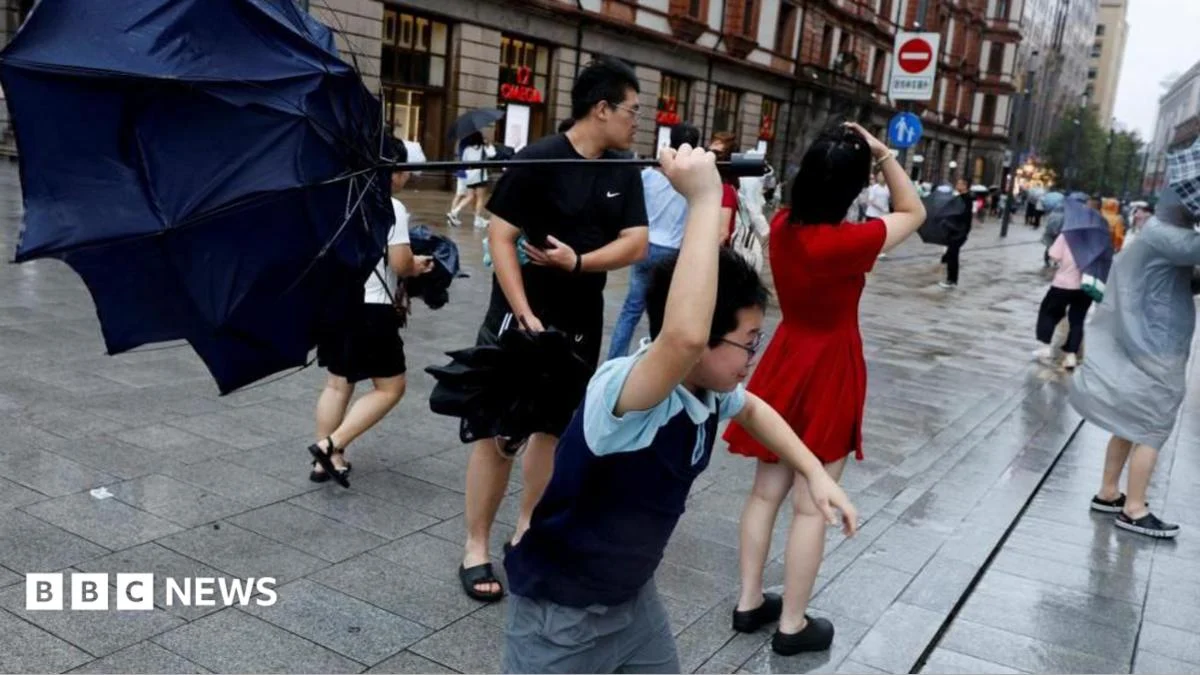

East China Mobilizes to Face Typhoon Dolphin
In a wide-ranging precautionary step, Chinese authorities announced the evacuation of nearly one million citizens from low-lying coastal areas as the destructive Typhoon Dolphin reached the eastern coast of the country. The typhoon struck vital cities with force, led by Shanghai, the global economic center, amid warnings from the China Meteorological Administration of fierce winds and torrential rains that may alter the landscape of the affected areas.
Nature of the Typhoon and Destructive Power
Typhoon Dolphin is classified among powerful tropical storms that draw their energy from warm ocean waters, giving it a massive capacity to generate windstorms whose speeds exceed the safe levels of traditional infrastructure. Climate data indicates that this type of hurricane not only brings violent winds but also triggers back-surges that drive up sea levels, threatening to inundate densely populated coastal areas.
Proactive Measures to Minimize Losses
China managed this crisis by relying on an advanced early warning system, transferring one million people to temporary shelters and securing vital facilities and power grids. This step comes under national disaster reduction policy, especially given the rising frequency of extreme weather events linked to global climate change. The swift evacuation led to the suspension of maritime navigation and the cancellation of flights in Shanghai to guarantee safety of life, while rescue teams remain on high alert to face any potential repercussions over the coming hours.
The Future of Typhoon Response
Scientists note that dealing with hurricanes of this scale requires integrating digital technology in weather forecasting with rapid logistical response. As Dolphin continues on its path, the real test remains in the ability of Chinese infrastructure to withstand heavy rains that may last for days, placing urban planning in direct confrontation with the unbridled forces of nature.
By: Hany Sallam
Source: BBC Science


Latest video
تابع معنا تحليل قراءة الصحف اليومية مع الكاتب الصحفي Hany Sallam عبر