
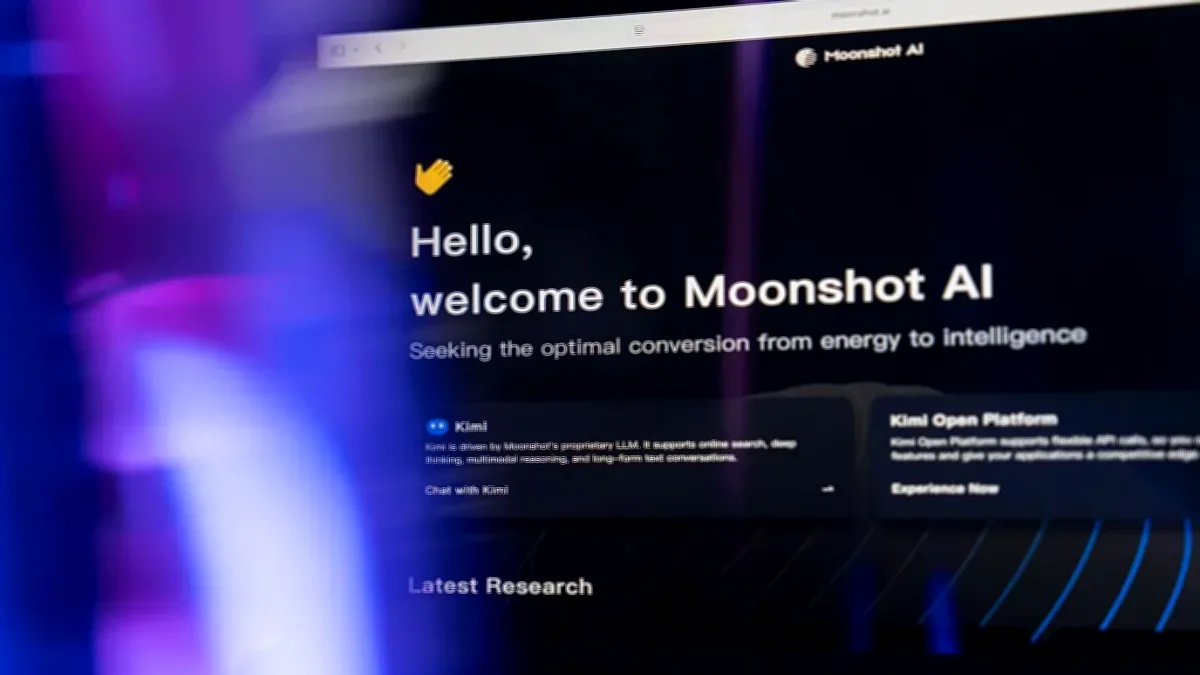

China’s ‘Kimi’ Revolution: An AI That Challenges Boundaries
In a move that surprised global tech circles, the Chinese company Moonshot released a new version of its Kimi AI model. This model is not just an ordinary technical update, but a qualitative leap in processing big data, placing it at the center of the geopolitical and technological storm. What sets Kimi apart is its superior ability to absorb long, complex texts and analyze them at a speed that has left Western competitors on high alert.
Are We Facing an Era of ‘Digital Communism’?
The rapid rise of this model has sparked unprecedented concerns, with analysts beginning to use the term ‘digital communism’. This concept refers to the anxiety over centralized technology dominance that may be used as an all-encompassing guiding tool, allowing the Chinese state to control the flow of information and knowledge in a way that differs fundamentally from open Western models. The fear here is not only about technological development, but about the ‘algorithmic ideology’ that may be embedded at the core of these models to shape public consciousness.
The Geopolitical Challenge: The World Confronts Algorithms
The debate is not limited to privacy or the accuracy of results, but extends to the global balance of power. At a time when major American companies are competing to develop artificial intelligence based on individual freedom and open data, the Chinese model presents a ‘directed’ vision. This contrast brings the world to a crossroads: will artificial intelligence turn into a tool to enhance digital democracy, or a means to entrench centralized digital control systems?
The Future of the Industry Under Kimi
The most important question remains: how will Kimi affect the average user? If China succeeds in making its model more efficient and less costly, users in wide regions of the world may find themselves forced to deal with Chinese technical standards. The race to possess the smartest digital minds has only just begun, and the results will not only change the face of technology, but will reshape the way we think and govern in this new digital century.
By: Hany Sallam
Source: techcrunch.com


Latest video
تابع معنا تحليل قراءة الصحف اليومية مع الكاتب الصحفي Hany Sallam عبر