
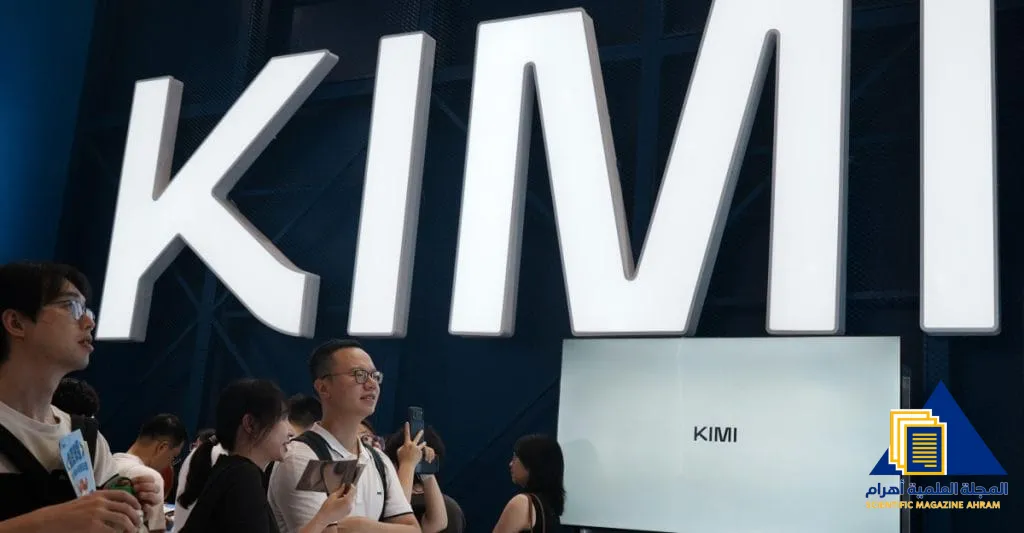

Beijing’s Tech Shock: Is Silicon Valley’s Monopoly Over?
Talk of artificial intelligence is no longer confined to the halls of Silicon Valley in California. In recent days, Chinese companies have launched advanced artificial intelligence models that claim to match the capabilities offered by tech giants
such as OpenAI and Anthropic. This announcement did not go unnoticed; rather, it sent shockwaves through global financial markets and sparked a wave of sharp debates over whether China has indeed closed the technological gap that once separated it from the West.
From the Logic of Innovation to the Language of an Arms Race
Political and technical circles in the United States reacted to these developments in familiar language that evokes the atmosphere of the Cold War, describing the matter as a “wake-up call” and a “digital arms race.” This American concern is not merely an emotional reaction, but an acknowledgment of a new reality: China is no longer just a copier of Western technologies, but has transformed into an innovative force capable of developing complex systems in programming languages and data processing techniques that simultaneously impress and alarm experts.
The Real Challenge: Beyond Digital Models
Looking at the scientific landscape, superiority in artificial intelligence relies not only on model power, but on the availability of massive data, computing capacity, and a regulatory environment that supports scientific research. While Silicon Valley focuses on rapid growth strategies and capital investment, China relies on broad government support and the integration of artificial intelligence into the core of national infrastructure, giving it a competitive edge that may alter the balance of power in the near future.
Are We Facing a Bipolar Technological System?
The question experts are asking today is not only about who is technically superior, but about how two separate technological worlds can coexist. China’s emergence as a competing power means we may be heading toward a technologically divided global system, where artificial intelligence standards develop according to divergent geopolitical directions. Ultimately, the race toward artificial general intelligence (AGI) will remain the true test of nations’ ability to shape the future of humanity in the age of intelligent machines.
By: Hany Sallam
Source: theverge.com


Latest video
تابع معنا تحليل قراءة الصحف اليومية مع الكاتب الصحفي Hany Sallam عبر