
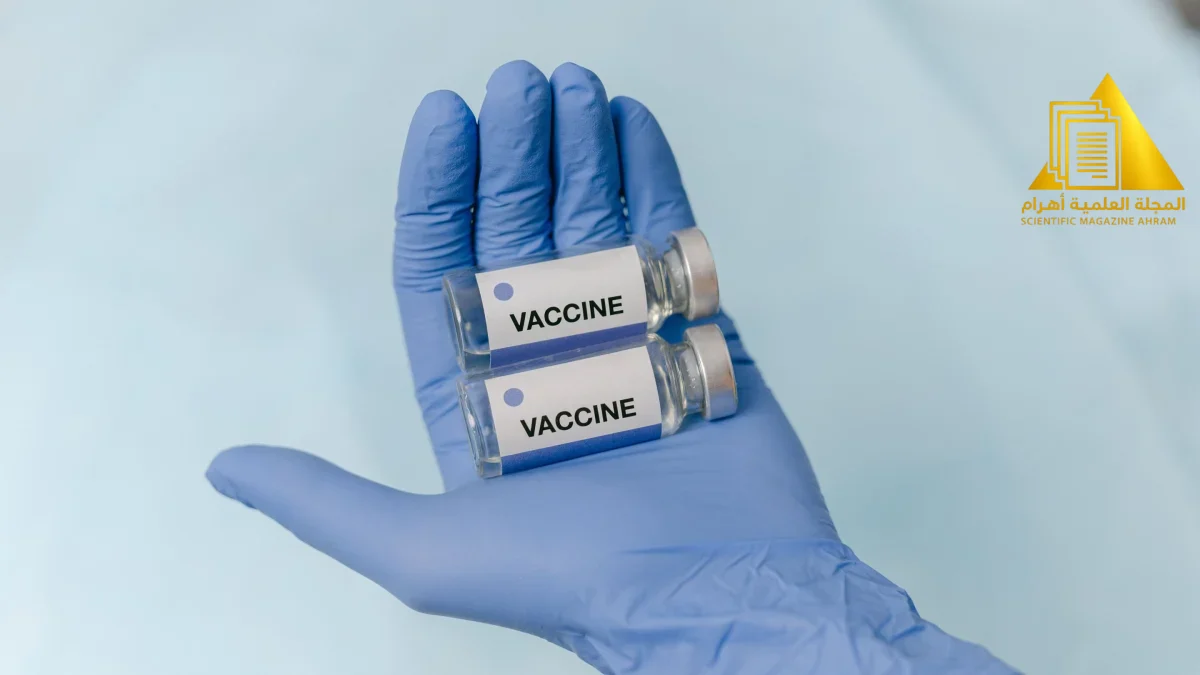

Are Clinical Trials Alone Enough to Evaluate Vaccines?
Clinical trials have long been considered the gold standard in medicine for assessing the efficacy of vaccines and drugs before they are released for general use. However, senior scientific figures in the United States have begun calling for a re-examination of this traditional approach, asserting that exclusive reliance on these trials may not provide the full picture of how effectively vaccines protect society over the long term.
Beyond Laboratory Walls
Experts note that clinical trials, despite their precision, are conducted under highly controlled conditions and within carefully selected populations. This reality differs fundamentally from what happens in the real world, where variables such as dietary habits, environmental conditions, genetic diversity, and various social interactions intersect. Relying solely on laboratory results means overlooking factors that may affect the body’s response to the vaccine
months or years after vaccination.
Observational Studies: The Missing Piece of the Puzzle
Scientists are calling for the adoption of “observational studies
” as an essential partner to clinical trials. These studies monitor vaccine performance among millions of people in their natural environments after actual distribution. This integration between laboratory research and field monitoring allows scientists to gain a deeper understanding of how vaccine efficacy wanes or persists, and how this affects the reduction of chronic disease rates or seasonal epidemics within society.
A Scientific Vision for a Safer Future
The goal of this call is not to diminish the value of clinical trials, but to enhance them. Health policies built on a combination of precise laboratory data and realistic observations will be more flexible and capable of adapting to changing health challenges. Experts emphasize that vaccine evaluation must be an ongoing process that does not stop at the moment of licensing, but extends to monitoring the actual impact on individual health under various conditions, ultimately ensuring more accurate and safer medical decisions for communities.
By: Hany Sallam
Source: medicalxpress.com


Latest video
تابع معنا تحليل قراءة الصحف اليومية مع الكاتب الصحفي Hany Sallam عبر