
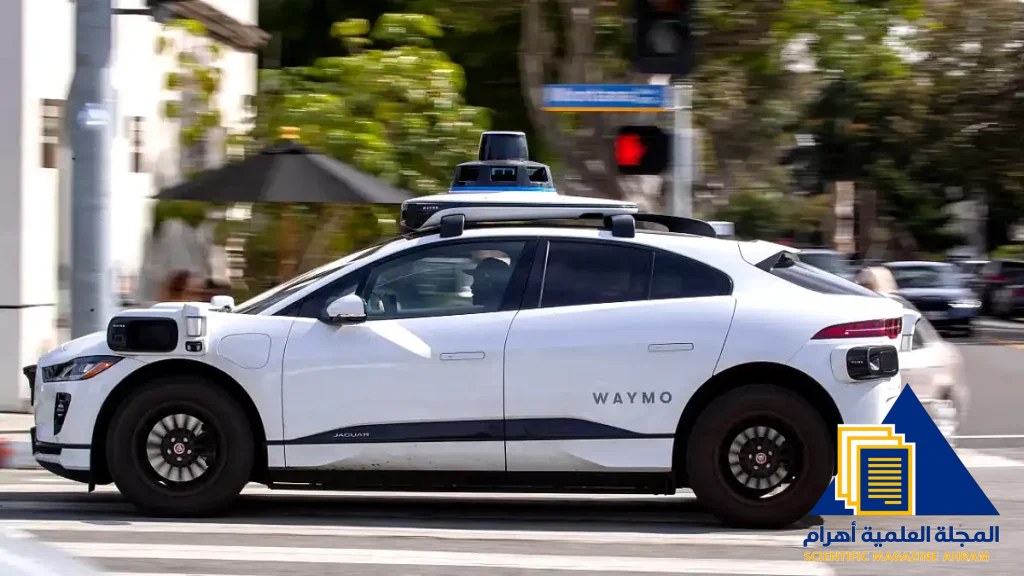

The Transport Revolution Casting Shadows
While major tech companies race to conquer our streets with fleets of autonomous taxis, the promises look rosy; the future we await is free of traffic accidents and choking congestion. Yet behind this glittering technological facade, urgent questions arise about the “human cost” we pay for this massive digital shift. Moving from human driving to artificial intelligence algorithms is not merely a technical challenge, but a rewriting of the social contract on our streets.
The Gap Between Algorithm and Reality
Self-driving cars rely on a complex network of data and sensors to make split-second decisions. Even so, these machines still face everyday situations that require “human intuition” or moral judgment that cannot be easily programmed. The spread of these vehicles means pushing technology into unpredictable environments, where random pedestrian behavior blends with road complexities, placing society before a real test of how ready we are to coexist with an artificial intelligence that may misjudge the risks of human life.
The Invisible Side Effects
The challenge is not limited to direct accidents, but extends to economic and social impacts. How will replacing human drivers with machines affect the labor system? And what about the technological isolation these systems may impose? We face a challenge regarding the privacy of the data collected by these vehicles, and the allocation of legal responsibility when a mistake occurs. The “dark side” here is not in the technology itself, but in the speed of its adoption without providing adequate protection for the society whose daily life these cars have become a part of.
The Future of Mobility: A Delicate Balance
Reaching a safe and efficient transport society needs more than just developing advanced software; it needs complete transparency from manufacturers, and an honest community dialogue about the permissible limits for these technologies. We need a careful balance between innovation and human safety, and to ensure our streets do not turn into open laboratories where experiments are conducted at the expense of our lives. The future will not be measured by how smart our cars are, but by how well we protect our human values in the age of automation.
By: Hany Sallam
Source: techcrunch.com


Latest video
تابع معنا تحليل قراءة الصحف اليومية مع الكاتب الصحفي Hany Sallam عبر