
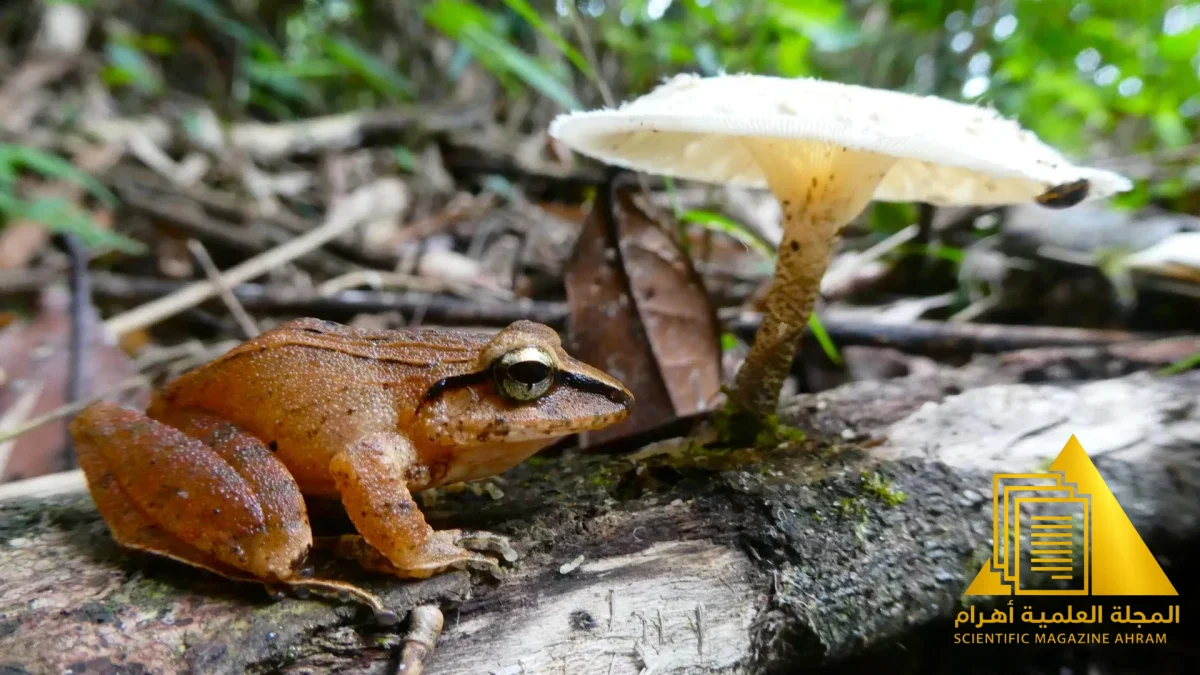

A Half-Century Mystery in the Brazilian Jungle
Across five lush acres of tropical forest in Brazil, ecologists were utterly baffled for fifteen years by the sudden and puzzling disappearance of massive numbers of frogs. This phenomenon was not merely an ordinary decline in biodiversity, but an intractable scientific mystery that puzzled researchers who could not explain how swamps that once thrived with life turned into silent areas devoid of the croaking of these vital amphibians.
The Killer Fungus: The Hidden Culprit
Finally, a recent scientific study managed to crack this long-standing mystery, revealing a hidden culprit that swept through the region in the past and devastated the most vulnerable species. Fingers were pointed at a lethal and destructive fungus that wreaked havoc on the local environment and caused a tragic collapse of biological populations. This pathogenic fungus attacked the respiratory system and skin of the frogs, rendering them unable to resist the fierce infection that wiped out entire communities in record time.
New Hope: Nature’s Recovery and Generational Immunity
Amidst this grim picture, continuous scientific monitoring brought a significant glimmer of hope that reflects nature’s remarkable resilience. Research showed that many frog populations that survived certain death managed to recover gradually over the subsequent decades. What is even more astonishing is that these amphibians developed increasing natural resistance and immunity against the disease, confirming the ability of living organisms to adapt and evolve to face the harshest environmental threats and survive.
By: Hany Sallam
Source: ScienceDaily


Latest video
تابع معنا تحليل قراءة الصحف اليومية مع الكاتب الصحفي Hany Sallam عبر