
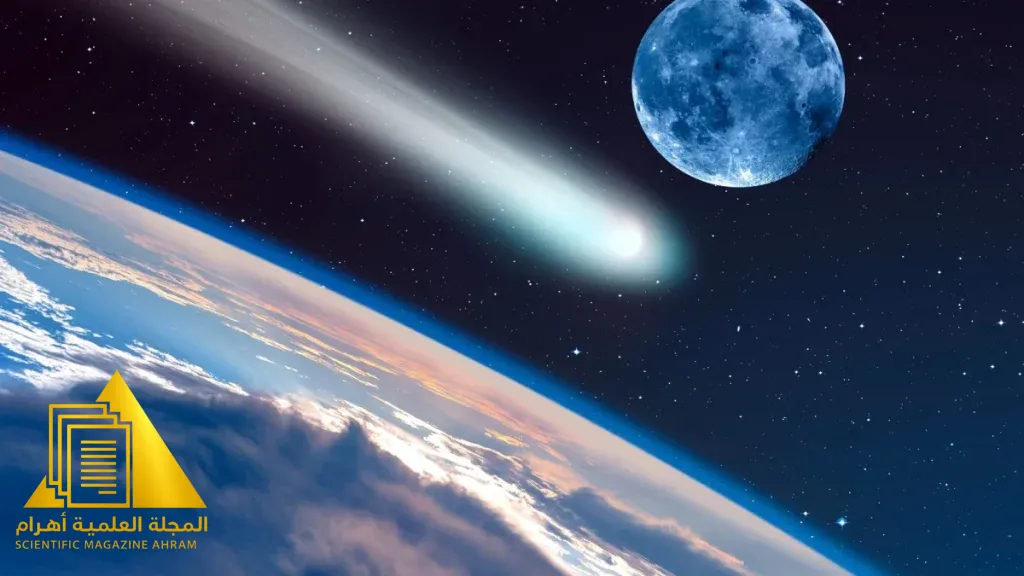

The Mystery of the Sudden Ice Age
Do you think rapid climate change is a modern invention peculiar to our current era? Nature alone is capable of surprising us with something far harsher. About 12,800 years ago, Earth was enjoying relative warmth as it prepared to emerge from the last ice age. Suddenly, and without clear warning, the climate balance was turned upside down, plunging the planet into a sudden, bitter cold snap scientifically known as the Younger Dryas period.
Hidden Messages in the Depths of Swedish Lakes
This sudden climate shift remained a mystery that puzzled scientists for decades. How could Earth’s climate transform at such a breakneck speed? The answer came from where we least expected it: specifically, from ancient sediments buried deep within Swedish lakes. A team of researchers worked meticulously to analyze the Earth’s layers, discovering tiny, mysterious particles that held the missing clues to that dark era, much like a black box recording the details of an environmental disaster.
What Do These Discoveries Mean for Us Today?
The importance of these Swedish particles is not limited to ancient history or satisfying scientific curiosity; they also play a crucial role in our true understanding of complex climate dynamics. By understanding the mechanisms that caused that sudden global cooling in the past, modern scientists gain better and more accurate tools to forecast future climate fluctuations and see how our planet might respond to any coming environmental shocks.
By: Hany Sallam
Source: earth.com


Latest video
تابع معنا تحليل قراءة الصحف اليومية مع الكاتب الصحفي Hany Sallam عبر