
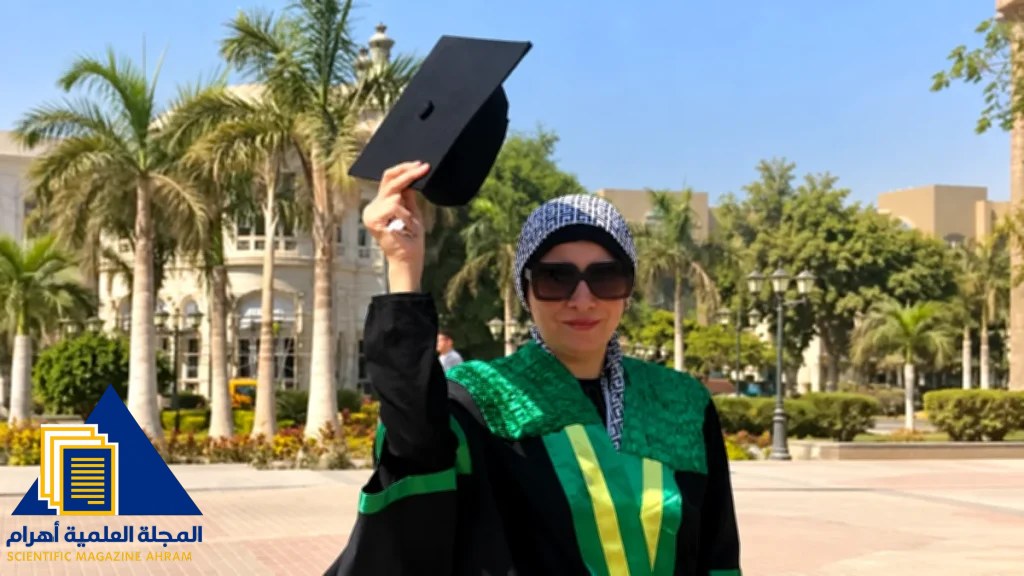

By: Dr. Radwa El-Eriny
We appreciate some of the efforts underway to develop education, and we support increasing the number of school days and standardizing dismissal at 3:00 PM. But what matters most is the actual implementation mechanisms, because most public, official, distinguished, and official international schools have not yet complied with the 3:00 PM dismissal decision.
First: Curricula and Development
It is wonderful to develop, but we must not waste textbooks and curricula that cost the state exorbitant sums. It is better to let the current experiment complete its stages, and apply any new curriculum to new students starting from the first grade.
An example of this is changing the math curriculum and replacing it with a Japanese curriculum for advanced grade levels, as most math teachers have confirmed that it is less efficient than the previous curriculum.
Second: The Teacher and Communication
We need new schools and curricula, but what matters most is providing competent and trained teachers.
We also call for the restoration of direct communication between the school, the parent, and the teacher. Hiding the teacher and preventing the parent from entering increases tension, anxiety, and suspicion.
If the school is working well, what is to stop a parent from seeing the system firsthand, being reassured about their children, and talking to the teacher?
Third: The Student’s Psychology
The school uniform has become more important than the student’s psychology, as a student is broken in front of their peers and barred from entering their classroom to receive an education because of lateness.
Failure to pay the first installment has also become a reason for depriving a student of education.
An important question: Is education a commodity? And are children’s minds a toy?
Forming traumatic experiences in childhood may cause personality disorders and psychological illnesses, and the later cost of treating them from the effects of violence and extremism could cost the state many times over.
Fourth: Filling Shortages with Qualified Teachers
We call for canceling the appointment of graduates from the faculties of commerce, law, and languages – except for English departments – to work in schools, even if they have obtained an educational diploma.
There are a large number of graduates from the faculties of education and arts, including those holding master’s and doctoral degrees, and they are the first and most deserving to fill the shortages in schools.
Fifth: Rationalizing Consultants’ Expenses
Why are consultants appointed for the minister after they retire?
We suggest redirecting the funds spent on them to increase the salaries of current teachers and hire new teachers to fill the actual shortages inside classrooms.
Sixth: Easing the Burdens of Assessments and Coursework
We ask that the large number of assessments, which causes excessive pressure on the student, teacher, and parent, be reviewed.
Furthermore, placing coursework and assessment grades in the hands of the classroom teacher was a main reason for the rise in private tutoring.
The parent has become forced to pay for a lesson with the classroom teacher “out of fear for the grades,” and another lesson with a different teacher “for the sake of explanation.”
Education is a fundamental right for the student, not a forced commodity.
We ask that any educational decision be reviewed with psychological and educational specialists before it is issued, to ensure that the decision is workable and does not harm our children’s psychological health.
And finally… Education is a right, not a commodity.
By: Dr. Radwa El-Eriny


Latest video
تابع معنا تحليل قراءة الصحف اليومية مع الكاتب الصحفي Hany Sallam عبر