

A Creeping Danger in Texas
The US state of Texas is facing an unprecedented biological threat as authorities step up efforts to combat the spread of flesh-eating screwworms. These parasites, which rank among the most dangerous pests affecting mammals, lay their eggs in the open wounds of animals. Once the eggs hatch, the larvae feed on living tissue, causing severe suffering to livestock and wildlife and potentially leading to death if prompt medical intervention is not provided.
A Fleet of Drones Serving Biosecurity
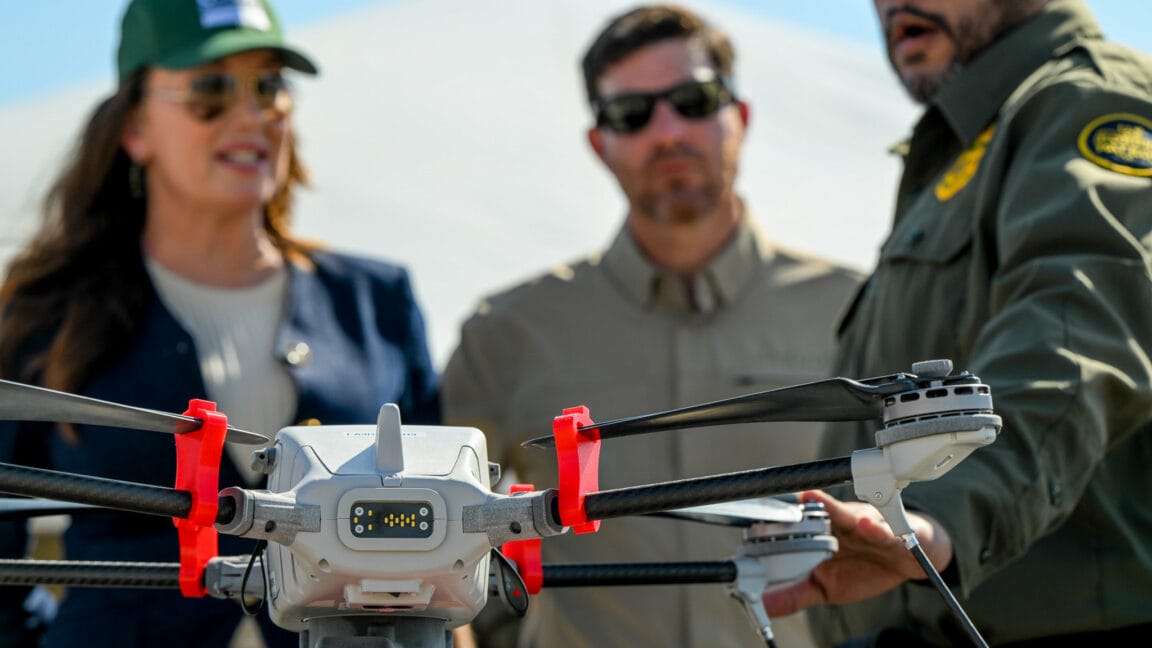
In response to this escalating threat, the US Department of Homeland Security has decided to repurpose a fleet of drones originally designated for border surveillance. These aircraft will survey vast areas of pastures and forests in Texas to detect outbreak hotspots with high precision. This technological application represents a strategic shift, as the drones provide an exceptional ability to reach rugged areas that human teams struggle to inspect regularly in the field.
Why Are These Worms a Dire Danger?
Screwworm larvae are distinguished by their rapid destructive capacity. Once they penetrate the skin, they begin feeding on flesh, causing tissue erosion and severe infections that can lead to blood poisoning. Historically, this pest was an economic nightmare for the US livestock sector before it was nearly eradicated in the middle of the last century. Authorities now fear the return of this pest due to climate change or cross-border transmission, which could inflict heavy economic losses if it is not contained at the outset.
Proactive Containment Strategy
Current aerial operations aim to determine the extent of the larvae’s spread and prevent their transmission to neighboring states. Experts point out that continuous monitoring is the key to success in this battle, as early intervention gives veterinary teams an opportunity to treat or isolate infected animals, halting the parasites’ reproductive cycle. The use of artificial intelligence and thermal imaging technologies in the drones enhances the efficiency of these operations, making veterinary oversight more precise and rapid than ever before.
By: Hany Sallam
Source: arstechnica.com


Latest video
تابع معنا تحليل قراءة الصحف اليومية مع الكاتب الصحفي Hany Sallam عبر