

By Dr. Chemist Mayssa Salah El-Din Ismail
PhD in Materials Science

Renewable energy, meaning sustainable energy, is anything that cannot run out or is endless, such as the sun. When you hear the term “alternative energy”, it usually refers to types of renewable energy as well. It means energy sources that serve as alternatives to the most commonly used non-sustainable sources—such as coal.
Definition of Renewable Energy
- Renewable energy, often referred to as clean energy, comes from natural sources or processes that constantly replenish themselves.
- For example, sunlight or wind continues to shine and blow, even if availability depends on time and weather.
- While renewable energy is often viewed as a new technology, nature’s energy has long been used for heating, transport, lighting, and more.
- Wind powered boats to sail the seas and windmills to grind grain.
- The sun provided warmth during the day and helped fuel fires into the evening. However, over the past 500 years or so, humans have increasingly turned to cheaper energy sources like coal and gas.
- Now that we have innovative and less expensive ways to capture and retain wind and solar energy, renewable sources have become a more significant energy source, accounting for more than an eighth of US generation. The expansion of renewables is also happening on both large and small scales, from rooftop solar panels on homes that can sell energy back to the grid.
- As the use of renewable energy continues to grow, the main goal will be to modernize the electrical grid, making it smarter, more secure, and better integrated across regions.
Types of Renewable Energy
If we look at the types of renewable energy, we find that they are abundantly available and even simpler than non-renewable energy resources. Below we present the types of renewable energy in detail:
- Solar Energy
- Sunlight is one of the most important types of renewable energy, and the most abundant and available on our planet, making it the most relied-upon resource.
- The amount of solar energy that reaches Earth’s surface in one hour is more than the planet’s total energy requirements for an entire year.
- Although it seems like an ideal renewable energy source, the amount of solar energy we can use varies according to the time of day, season of the year, and geographical location.
- Wind Energy
- Wind is an abundant source of clean energy.
- Wind farms are an increasingly familiar sight in Egypt, as wind energy increasingly contributes to the national grid.
- To harness electricity from wind power, turbines are used to run generators that feed electricity into the national grid.
- Although local or “off-grid” generation systems are available, not every property is suitable for domestic wind turbines.

- Hydropower
- As a renewable energy source, hydropower is one of the most commercially developed resources.
- By building a dam or barrier, a large reservoir can be used to create a controlled water flow that drives turbines and generates electricity.
- This energy source is often more reliable than solar or wind energy (especially if it relies on tides rather than a river) and also allows electricity to be stored for use when demand peaks.
- Like wind energy, in certain cases hydropower can be more viable as a commercial energy source.
- Tidal Energy
- This is another form of hydropower that uses twice-daily tidal currents to power turbine generators.
- Although tidal flow, unlike some other hydropower sources, is not constant, it is highly predictable and can therefore compensate for periods when the tidal current is low.
- Geothermal Energy
- By harnessing natural heat from beneath the Earth’s surface, geothermal energy can be used to heat homes directly or to generate electricity.
- Although it uses energy directly beneath our feet, geothermal energy has played a negligible role in Egypt so far.
- Biomass Energy
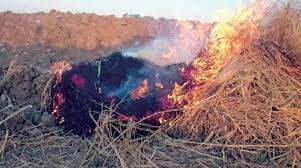
- This is the conversion of solid fuel made from plant materials into electricity.
- Although biomass essentially involves burning organic matter to produce electricity, this does not mean burning wood, as it is now a much cleaner and more energy-efficient process.
- By converting agricultural, industrial, and municipal waste into solid, liquid, and gaseous fuels,
- biomass generates energy at a much lower economic and environmental cost.
References
- Energy Egypt. 2018. Egypt receives two bids under $0.03/kWh for 200 MW Kom Ombo solar project. Retrieved April 21, 2019, from https://energyegypt.net/egypt-receives-two-bids-under-0-03-kwh-for-200-mw-kom-ombo-solar-project/.
- IRENA (International Renewable Energy Agency). 2018a. Energy Transition. Retrieved April 21, 2019, from https://www.irena.org/energytransition.
- IRENA (International Renewable Energy Agency). 2018b. Renewable Energy Outlook Egypt. Retrieved April 21, 2019, from https://www.irena.org/-/media/Files/IRENA/Agency/Publication/2018/Oct/IRENA_Outlook_Egypt_2018_En.pdf.
- IRENA (International Renewable Energy Agency). 2019a. Power Generation Costs. Retrieved April 21, 2019, from https://www.irena.org/costs/Power-Generation-Costs.
- IRENA (International Renewable Energy Agency). 2019b. Renewable Capacity Statistics 2019. Retrieved May 21, 2019, from https://www.irena.org/-/media/Files/IRENA/Agency/Publication/2019/Mar/IRENA_RE_Capacity_Statistics_2019.pdf
Next Article – 4:
An Overview of Non-Renewable Energy Sources
A Comparison Between Renewable and Non-Renewable Energy
Is Nuclear Energy a Renewable or Non-Renewable Energy Source?


Latest video
تابع معنا تحليل قراءة الصحف اليومية مع الكاتب الصحفي Hany Sallam عبر