

The Pangolin Mystery: How Local Markets Connect to Global Smuggling Networks
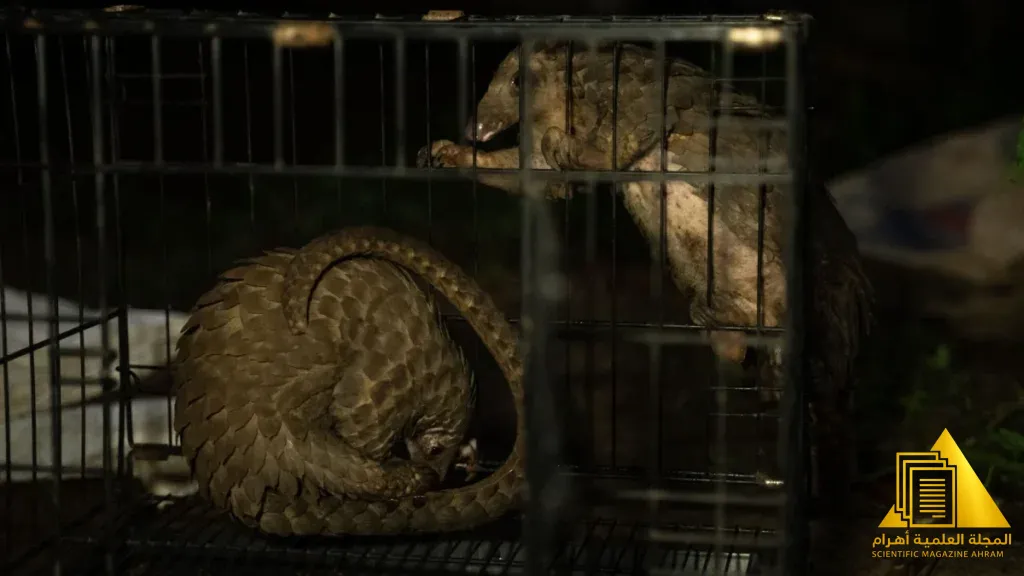
The pangolin, or scaly anteater, is one of the most heavily trafficked mammals in the world. Despite international legal protection, the bodies of this unique animal continue to leak into markets under the weight of surging demand for its scales and meat. Recently, a groundbreaking scientific study has pulled back the curtain on the threads of this environmental crime, revealing a striking connection between local wild-meat markets and cross-continental international smuggling networks.
Genetic Fingerprinting: A New Weapon Against Smugglers
Researchers used DNA analysis technology to build a massive database and an advanced computer model to predict the geographic locations of three threatened species
: the white-bellied pangolin, the Sunda pangolin, and the Chinese pangolin. By examining the genetic fingerprints of scales and parts confiscated from smuggled shipments, scientists managed to pinpoint their sources with precision, discovering that they often come from the very same forests and regions being depleted to supply local wild-meat markets.
From Local Markets to Global Markets
The findings indicate that smugglers do not operate on isolated islands; rather, international trafficking networks exploit the exact same logistical channels used locally. This means that every hunting operation carried out to satisfy small local demand may be a link in a massive supply chain reaching global ports and markets. This information provides decision-makers and law enforcement agencies with a new strategic tool. Instead of chasing shipments at random, conservation and monitoring efforts can now target the supply hotspots that feed both sectors at once.
Toward a Safer Future for Biodiversity
This scientific development represents a qualitative leap in wildlife conservation efforts. Understanding smuggling maps through genes not only helps catch smugglers, but also contributes to developing proactive policies to protect threatened natural habitats. Linking genetic data with geographic reality gives us a real chance to break the cycle of depletion that threatens to wipe this rare creature off the map of nature, confirming that science remains our planet’s first line of defense.
By: Hany Sallam
Source: news.mongabay.com


Latest video
تابع معنا تحليل قراءة الصحف اليومية مع الكاتب الصحفي Hany Sallam عبر