
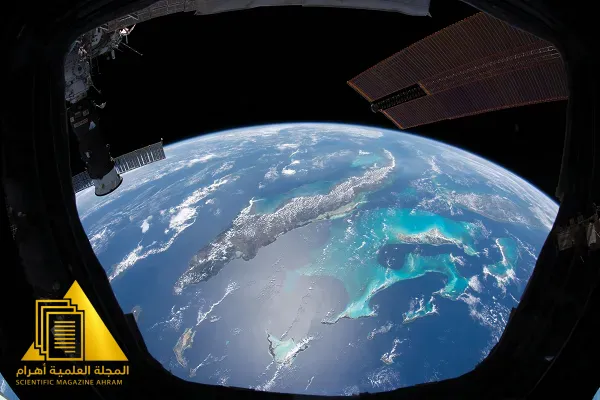

The Future of Interstellar Computing
In a move that feels straight out of science fiction, Google has recently begun implementing an ambitious vision to move data centers from Earth to outer space. On October 1, the company launched an experimental satellite carrying four advanced microchips specifically designed to test how the most complex artificial intelligence models, such as Gemini, operate in an environment of zero gravity and space radiation.
Why Are We Heading to Low Earth Orbit?
The major dilemma of traditional data centers lies in their massive energy consumption and constant need for cooling. This is where the brilliance of the idea emerges; regions close to low Earth orbit provide near-constant and continuous access to sunlight. This means clean, renewable energy can be generated around the clock via solar panels, bypassing the weather fluctuations and day-night cycles that limit energy efficiency on our planet.
Challenges of Processing in Space
The current test is not merely an adventure, but a precise technical process. The microchips aboard the satellite are programmed to operate for 15 minutes at a time. The goal is to measure how well data processing systems can withstand harsh conditions in space, and to ensure that software can communicate with ground stations without noticeable delay. If this experiment succeeds, we may stand before a new era in which the AI servers powering our digital lives are managed directly from Earth’s sky.
Toward a Cosmic Infrastructure
Google’s ambition goes beyond running a single experiment; it paves the way for establishing a global technological infrastructure. Space not only provides energy, but also offers an ideal natural cooling environment for electronic devices. With the rapid expansion of artificial intelligence applications, space-based data centers may become the ultimate solution to meet the massive demand for processing power without straining our planet’s limited resources, thereby forming the cornerstone of humanity’s next technological evolution.
By: Hany Sallam
Source: smithsonianmag.com


Latest video
تابع معنا تحليل قراءة الصحف اليومية مع الكاتب الصحفي Hany Sallam عبر