
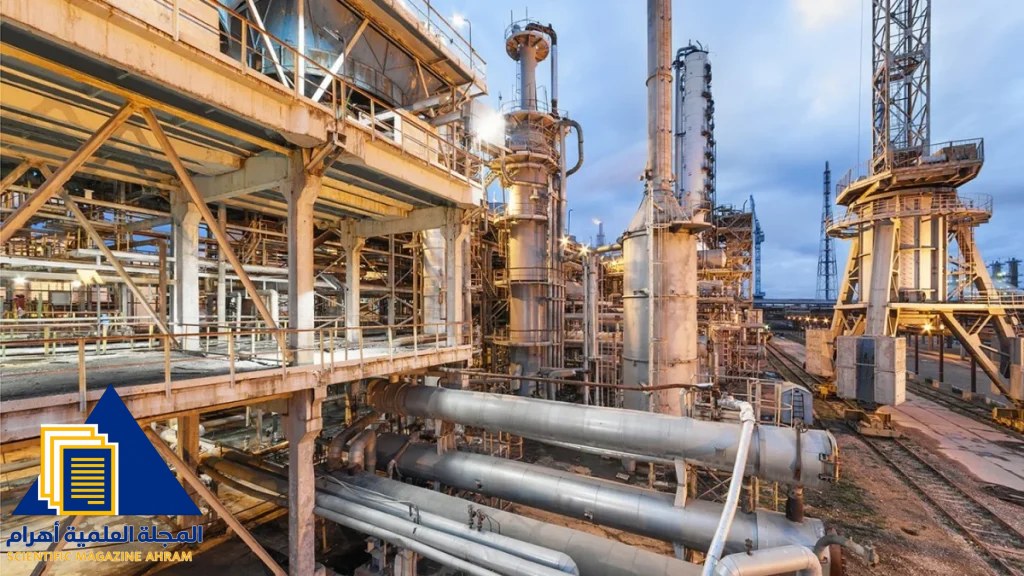

A Revolution in Agriculture: Saying Goodbye to Fossil Fuels
Ammonia is the lifeblood of global agriculture, serving as the primary ingredient in fertilizers that ensure abundant food for billions of people. For many years, however, its traditional production process has been closely tied to fossil fuels, making it a massive source of harmful carbon emissions. Today, a new scientific innovation is opening a window of hope for a more sustainable future, as researchers at the Massachusetts Institute of Technology (MIT) have succeeded in developing revolutionary materials that may end this traditional dependence forever.
The Chemical Challenge: How Do We Free Production from Carbon?
The current ammonia industry relies on the Haber-Bosch process, a technique that requires extremely high pressure and temperature, and depends primarily on natural gas as a source of hydrogen. These processes consume enormous amounts of energy and produce concerning amounts of carbon dioxide. The new innovation lies in replacing these polluting methods with an advanced electrochemical process using innovative catalytic materials that allow ammonia to be produced directly from water and nitrogen using electricity, which means factories could be powered entirely by solar or wind energy.
Smart Materials Driving the Shift Toward the Green Economy
What sets this research apart is its focus on developing more efficient and durable catalysts. Previously, electrochemical processes for production faced technical hurdles related to material stability and reaction speed. The research team managed to design precise nanostructures that operate with high efficiency under less harsh operating conditions, which reduces production costs and makes the process a competitive option compared to traditional methods that deplete natural resources.
Toward a Climate-Friendly Agricultural Future
This scientific progress goes beyond improving fertilizer quality, representing a core pillar in the global battle against climate change. Once the transition to green ammonia production takes place on a wide industrial scale, the agricultural sector’s carbon footprint will drop tangibly, helping countries achieve their carbon neutrality goals. We are looking at a new phase where food abundance does not come at the expense of our planet, but rather thanks to technical innovations that make chemical industries part of the solution rather than part of the problem.
By: Hany Sallam
Source: MIT News


Latest video
تابع معنا تحليل قراءة الصحف اليومية مع الكاتب الصحفي Hany Sallam عبر