

Gut Bacteria: A New Key to Eternal Youth
We have long viewed the digestive system simply as a factory that converts food into energy, but modern science is beginning to reveal that our gut is a highly intelligent, vital organ. It houses an army of microbes that do more than just digest our food—they control the pace at which our bodies age. In a recent scientific study, researchers managed to uncover minute chemical compounds produced by these bacteria. These compounds act as coded messages capable of infiltrating body tissues and modifying their vital functions to extend lifespan.
How Microbes Communicate With Body Organs
Gut bacteria possess an astonishing ability to communicate with body tissues through metabolic byproducts. These chemical compounds are the bridge through which microbes cross the boundaries of the gut to reach the bloodstream, and from there to various body organs. Although the bacteria themselves may not leave the digestive system, their secretions can directly influence the host’s metabolic processes and immune system. This opens a wide door to understanding how our internal environment can accelerate or slow down the aging process.
From Fruit Flies to Human Horizons
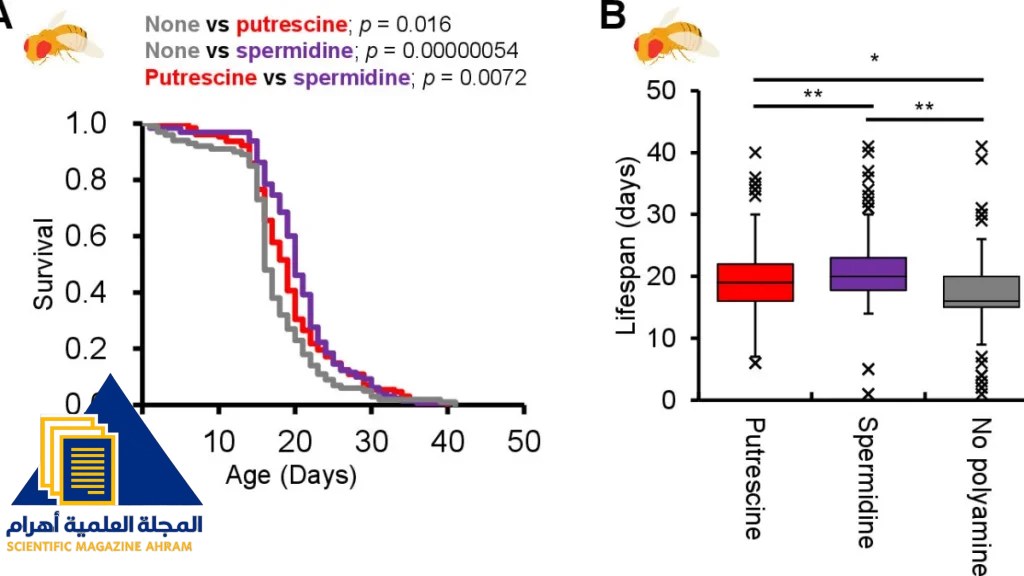
In their study, scientists relied on the fruit fly as a living model, finding that specific compounds produced by gut bacteria play a central role in extending its lifespan. The effect was not random; rather, it resulted from a precise chemical interaction that protects cells from damage and supports vital functions in advanced stages of life. This discovery represents a cornerstone in understanding the complex interactions between the microbiome and aging, paving the way for the development of future treatments based on dietary supplements or nutritional modifications aimed at restoring microbial balance to extend human healthspan.
Toward a New Medicine of Aging
Our realization that longevity is not merely a matter of genetics, but the result of an ongoing interaction between us and the billions of microbes that inhabit us, changes the rules of medical practice. If we can identify these compounds precisely, we may one day be able to design custom probiotics that act as a protective shield against aging-related diseases, giving us the opportunity to live not only longer, but in better health and with a higher quality of life.
By: Hany Sallam
Source: phys.org


Latest video
تابع معنا تحليل قراءة الصحف اليومية مع الكاتب الصحفي Hany Sallam عبر