

By Dr. Mohamed Mohsen

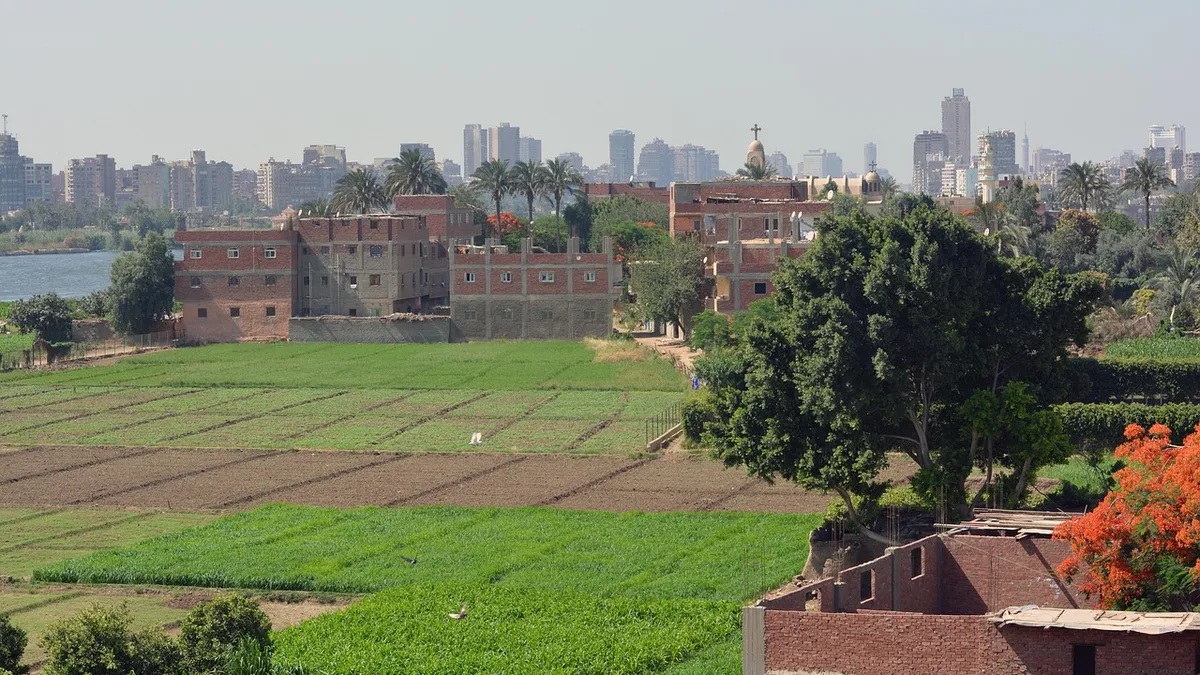
All eyes turn to Sharm El-Sheikh as Egypt opens its doors to host the 27th UN Climate Change Conference (COP27) amid critical conditions marked by political conflict, economic challenges, and severe energy shortages. Only days remain before this major global event aimed at saving our planet from floods, droughts, famines, and economic collapse driven by carbon emissions and a 1.1°C rise in global temperatures.[1]
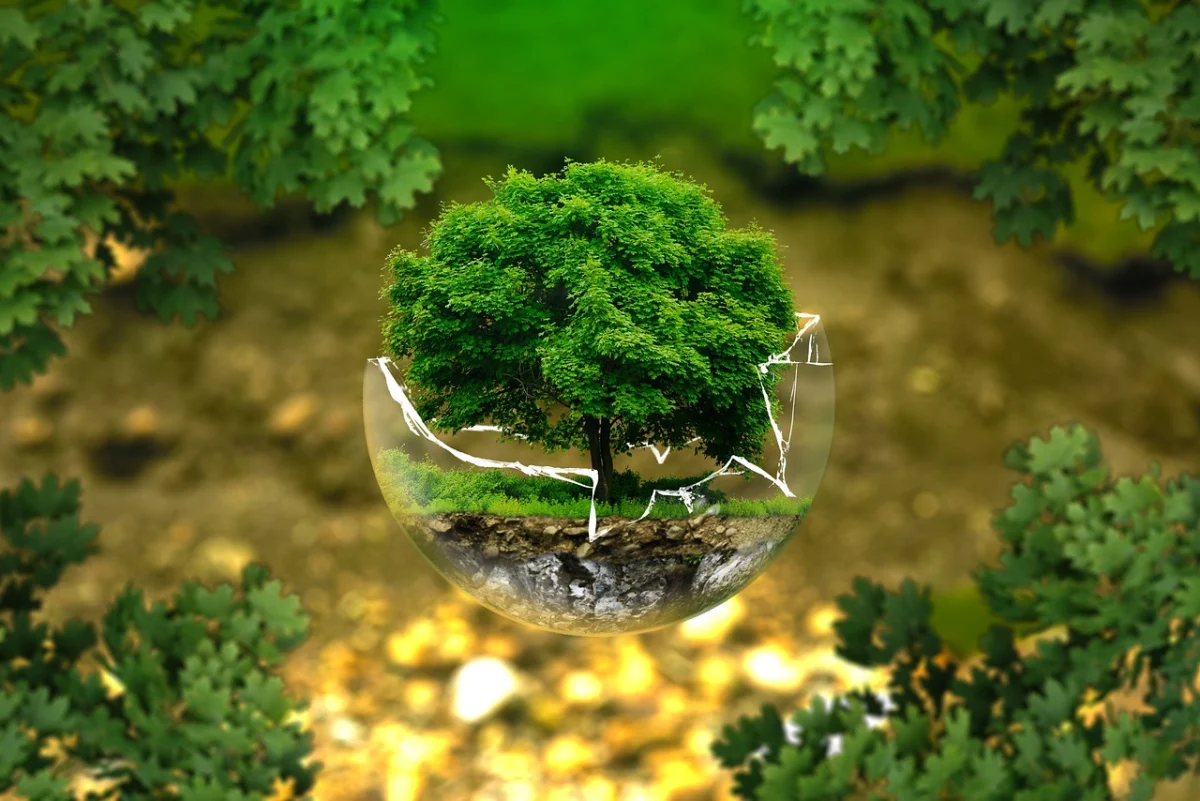
At this summit, Egypt is holding the developed world accountable for its responsibilities, pledges, and past commitments that have yet to be implemented—a failure that may threaten our planet with destruction. In 2009, major industrialized countries pledged to provide $100 billion annually for climate finance by 2020, and that pledge remains unfulfilled today. Developing countries, led by Egypt, are calling on developed nations to honor the Glasgow Pact by doubling adaptation finance by 2025 so they can take preventive measures against climate impacts that are already affecting every aspect of life.
In light of global attention to climate and environmental conservation, and in line with sustainable development goals, the Sharm El-Sheikh conference aims primarily to integrate climate action with development plans and economic reform programs across nations. This article examines one of the anticipated outcomes of COP27 [1] alongside carbon reduction and measures to adapt to and mitigate the impacts of irresponsible industrial activities under the Glasgow Pact [2]: the circular economy.
The world is looking to activate the circular economy, which addresses problems at their root by introducing a new economic philosophy of a pollution-free and waste-free system. This approach embeds sustainability into the design stage so that raw materials and primary products can be used for as long as possible and natural components remain self-renewing, in consistency with the Sustainable Development Goals and the 2030 Agenda.[3]
The circular economy offers a production and consumption model based on sharing, renewal, reuse, and recycling of materials, resources, waste, products, and by-products for as long as possible. In doing so, it redefines the concept of benefit for both the environment and humanity, which oversees its components.[5]
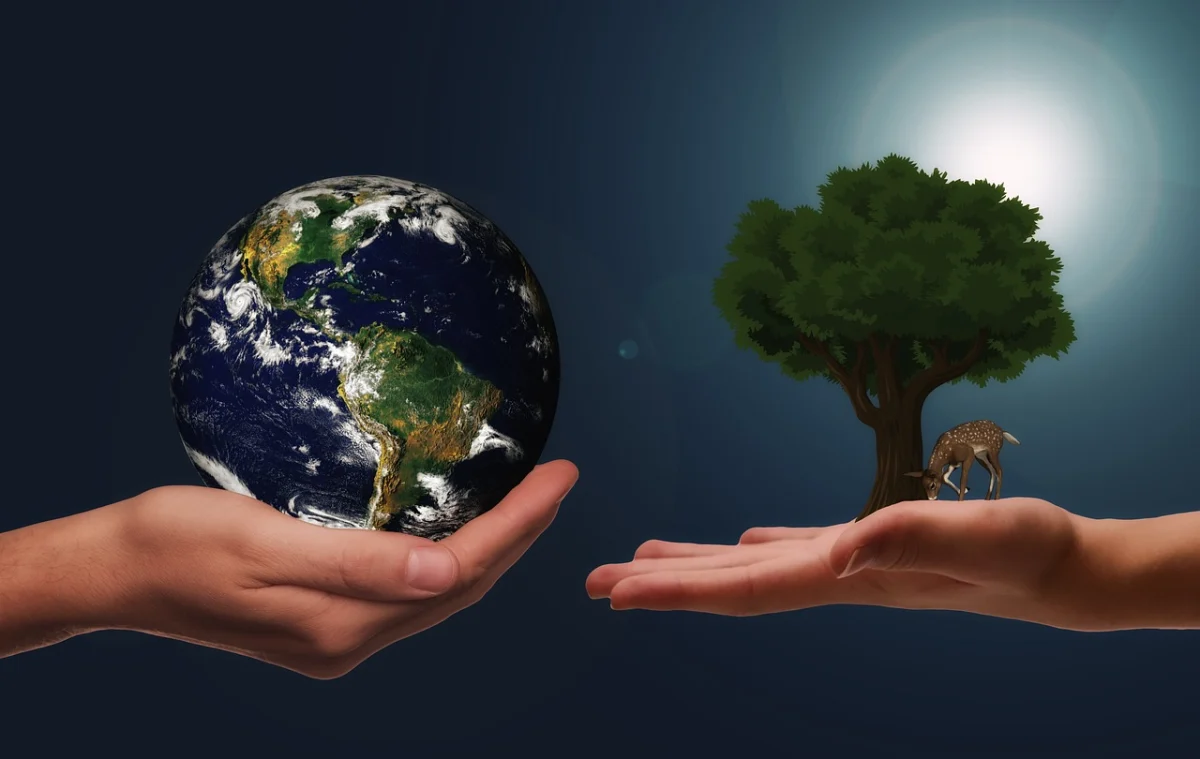
Today, the world needs to transition toward a circular economy due to growing external pressures on ecosystems from rising demand for raw materials and intensifying pollution. This creates a critical situation marked by limited supplies of raw materials, resources, and finished products. Resource limits increase dependence between nations, creating economically dependent states and widening conflicts, while resource depletion degrades ecosystems and worsens climate change. The circular economy offers numerous opportunities, including reducing stress on ecosystems, securing supplies and raw materials, boosting competitiveness, encouraging innovation, improving employment, and providing innovative products that enhance the quality of life for consumers.
Thus, the circular economy serves as one of the necessary conduits for achieving sustainable development goals, keeping pace with global development, and addressing the repercussions of climate change, which remains the cornerstone for safeguarding the physical survival of Earth.
References
[1] Paris Climate Change Conference 2015
[2] Preparatory Agenda for the UN Climate Change Conference
[3] Outcomes of the Glasgow Pact 2021
[4] Sustainable Development Goals 2030
[5] IFC Global Manufacturing Conference 2021


Latest video
تابع معنا تحليل قراءة الصحف اليومية مع الكاتب الصحفي Hany Sallam عبر