
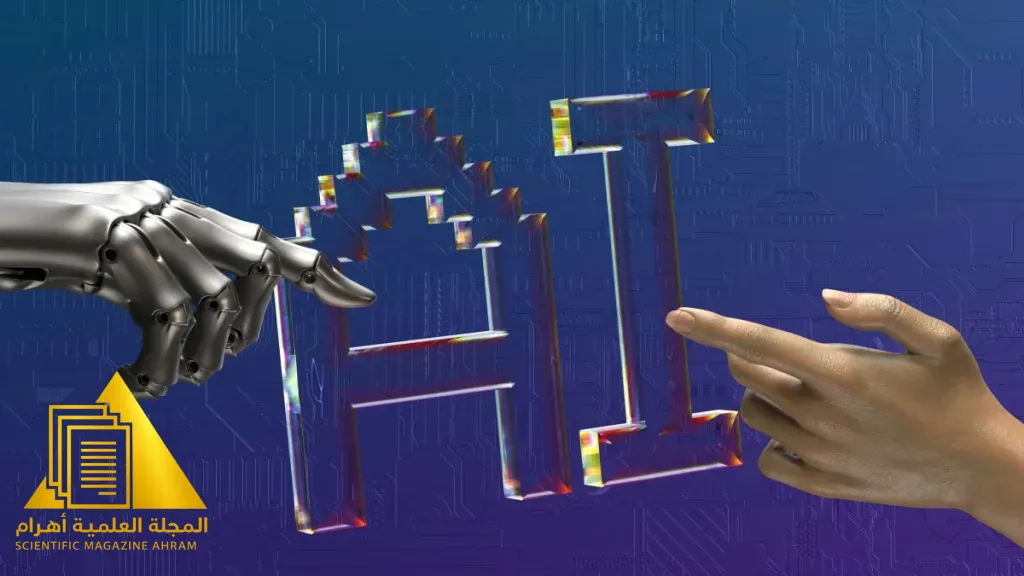

Between Efficiency and Conformity: The Hidden Face of Hiring Algorithms
In an era of rapid digital transformation, finding a job is no longer just about convincing a human resources manager of your skills; hiring algorithms now have the final say. Major corporations use artificial intelligence tools to scan thousands of resumes in seconds, claiming to boost efficiency and standardize selection criteria. But do these technologies truly deliver the desired fairness, or are they turning the job market into digital “echo chambers” that reproduce the same patterns and exclude creative thinkers?
The Danger of “Echo Chambers” in Talent Selection
Recent studies indicate that excessive reliance on hiring algorithms may lead to counterproductive results. The problem lies in “echo chambers,” where algorithms are trained on specific criteria drawn from the data of current, most successful employees. As a result, the machine begins searching for exact copies of these models, leading to the exclusion of unique human talent that may not follow traditional patterns, yet possesses exceptional skills and creative potential needed by a changing labor market.
Are Companies Losing the Human Touch of Creativity?
Replacing human evaluation with automated mechanisms raises ethical and technical concerns. Artificial intelligence, no matter how precise, lacks the ability to understand human context or appreciate non-traditional experiences that may not appear clearly in a resume’s keywords. This algorithmic approach may lead to unintended biases, as the system marginalizes candidates who have not followed the same usual educational or professional paths, thereby reducing diversity within the workplace.
The Future of Hiring: Balance Is the Solution
This does not mean technology is the enemy of employment; rather, it is a supportive tool that must be managed consciously. The answer lies in the need for continuous human oversight of these systems, alongside regular updates to algorithmic criteria to ensure openness to diverse talent. Innovation in companies does not come from copying similar employees, but from integrating diverse minds that algorithms might miss if left alone to shape the future of the workforce.
By: Hany Sallam
Source: phys.org


Latest video
تابع معنا تحليل قراءة الصحف اليومية مع الكاتب الصحفي Hany Sallam عبر