
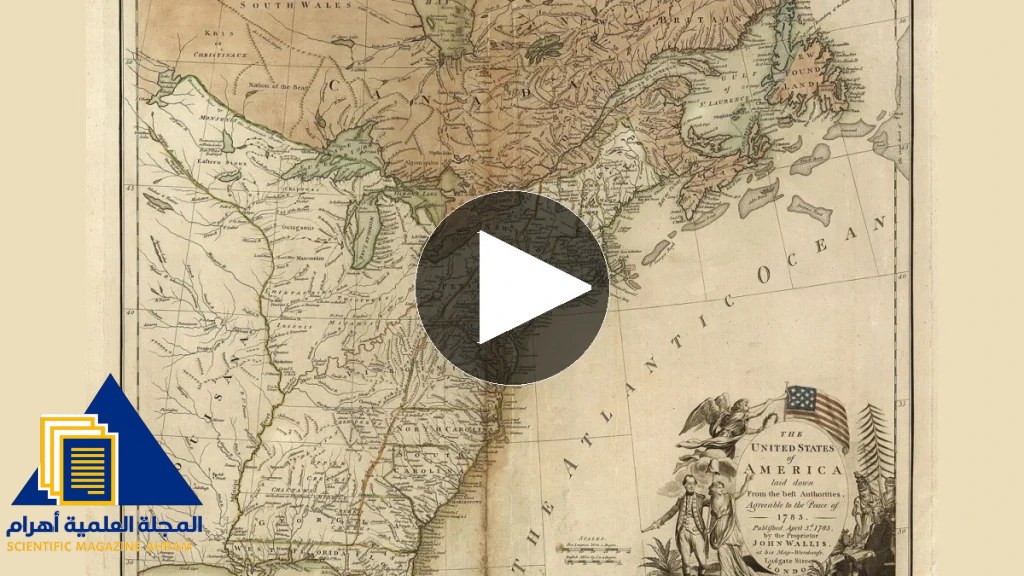

The Quest for a Nation’s Identity
On September 9, 1776, the world did not know that the name chosen by the Founding Fathers for the nascent nation would become synonymous with a superpower. Before that date, the thirteen colonies were adrift in defining their political and legal identity. The name “United States” was not as self-evident as it appears to us today; rather, it was the product of intellectual debates and heated political arguments in the halls of the Continental Congress, where the founders sought to craft a name that reflected a shared destiny and independence from the British Crown.
Imaginative and Strange Proposals
Historical records reveal that the imagination of the Founding Fathers did not stop at straightforward names. While proposals such as the “United Colonies” seemed logical and practical, other suggestions surfaced that reflected the philosophical and geopolitical ambitions of that era. Among those names was “Columbia,” named after the explorer Christopher Columbus, and “United States of Alleghania,” which drew its name from the massive mountain ranges cutting across the continent.
Ideas did not stop at the boundaries of geography, but stretched to touch the limits of imagination; a lawmaker at the time put forward a strikingly ambitious name: the “United States of the Earth,” a proposal that perhaps reflected an early ambition to build a new global order. Yet these names remained mere footnotes in history, and consensus ultimately settled on the functional simplicity of the name “United States of America.”
Why Did They Settle on the Current Name?
The name “United States of America” may seem highly descriptive, but it carried a profound political message; it combined the idea of self-governance for each state with a single umbrella uniting these entities into a federal union. The naming process was not merely a linguistic choice, but a constitutional declaration of a new identity that rejected dependency and established the concept of the “nation” as a single political entity made up of diverse parts.
A quarter of a century after that decision, the name remains a symbol not only of the power of the United States, but also of the intellectual debate that accompanied the moments of nation’s birth, and how a single name can carry within it the hopes and fears of an entire generation of thinkers and politicians who drew the contours of the political map we see today.
By: Hany Sallam
Source: smithsonianmag.com


Latest video
تابع معنا تحليل قراءة الصحف اليومية مع الكاتب الصحفي Hany Sallam عبر