

Democracy Goes Beyond Earth’s Gravity
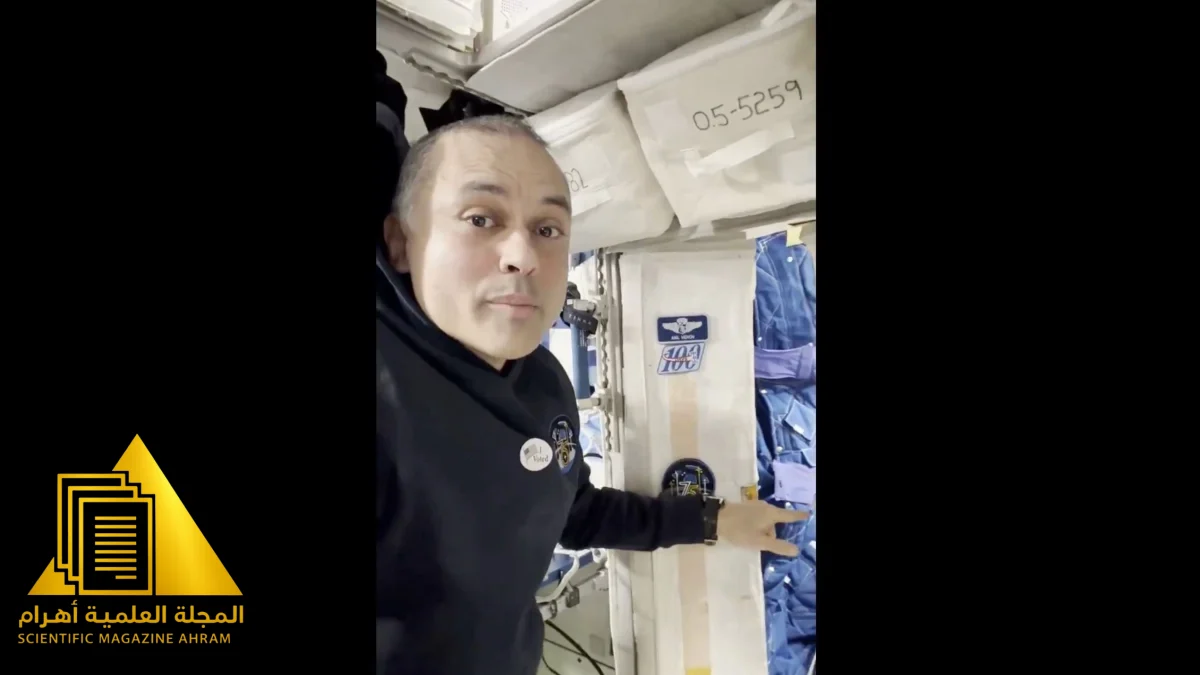
Elections are no longer a purely terrestrial affair. Astronauts have proven that civic duty knows no bounds—not even Earth’s gravity. In a scene blending advanced space technology with democratic practice, the three American astronauts aboard the International Space Station made sure to cast their ballots in the midterm elections, confirming that being off-planet is no barrier to political participation.
How Do Astronauts Vote from Space?
Some may wonder how astronauts exercise their right to vote while orbiting Earth at a staggering speed of roughly 28,000 kilometers per hour. The process begins with a legislative bill passed by the US state of Texas in 1997, which allows astronauts to vote electronically from orbit. The encrypted ballot is sent via NASA’s communications network, under the supervision of Mission Control in Houston, reaching the space station where the astronauts fill it out and safely return it to Earth.
Technology Serving Cosmic Citizenship
This process is a unique model of adapting technology to serve humanity wherever it may be. With preparations underway for longer-duration missions to Mars and the Moon, developing secure remote voting systems is critically important. The ability of astronauts to exercise their civil rights hundreds of kilometers up reflects a deep commitment to democratic values, and opens the door to a future where citizenship is tied to the human being, regardless of the planet or orbit they inhabit.
By: Hany Sallam
Source: space.com


Latest video
تابع معنا تحليل قراءة الصحف اليومية مع الكاتب الصحفي Hany Sallam عبر