

By Dr. Chemist Maysa Salah El-Din Ismail
General Manager of Research and Development
Alexandria Water Company
An affiliate of the Holding Company for Water and Wastewater
Carbon dioxide emissions from our various activities are a primary driver of global warming and are directly linked to environmental degradation worldwide. Consequently, measuring carbon dioxide emission rates is important because it reveals our negative contribution to increasing environmental loads (1).
This led to the concept of the carbon footprint, an indicator used to express the volume of carbon dioxide emissions resulting from burning fossil fuels (oil, natural gas, and coal) used to generate electricity, power public transport, drive industrial activities, and so on. The carbon footprint is used on several levels to express carbon dioxide emission rates for individuals, institutions, and countries, or even for the production process of a specific product or a particular activity. It is often expressed in tonnes of carbon dioxide emissions per year (tonne/year). The carbon footprint determines:
– Direct carbon dioxide emissions resulting from:
1- Burning fossil fuels, which involves our consumption of electricity and use of various forms of transport (cars, planes, trains). Through this footprint, we can directly control the amount of our emissions.
We find that trains are the most carbon-friendly transport on the planet
2- Resulting from food
Indirect carbon dioxide emissions resulting from the life cycle of the products we use (from raw material extraction to manufacturing, and finally transport and distribution), which are mainly linked to manufacturing processes. In other words, the more we buy products, the greater the volume of emissions.
To curb carbon dioxide emissions and thereby reduce our carbon footprint, we must look at the methods and habits that lead to this, including (2-3):
1- Rationalizing electricity and water consumption and using them more effectively.
2- Buying high-efficiency appliances and equipment.
3- Reducing waste.
4- Recycling materials.
5- Searching for alternative energy sources.
6- Utilizing public transport.
7- Constructing eco-friendly green buildings.
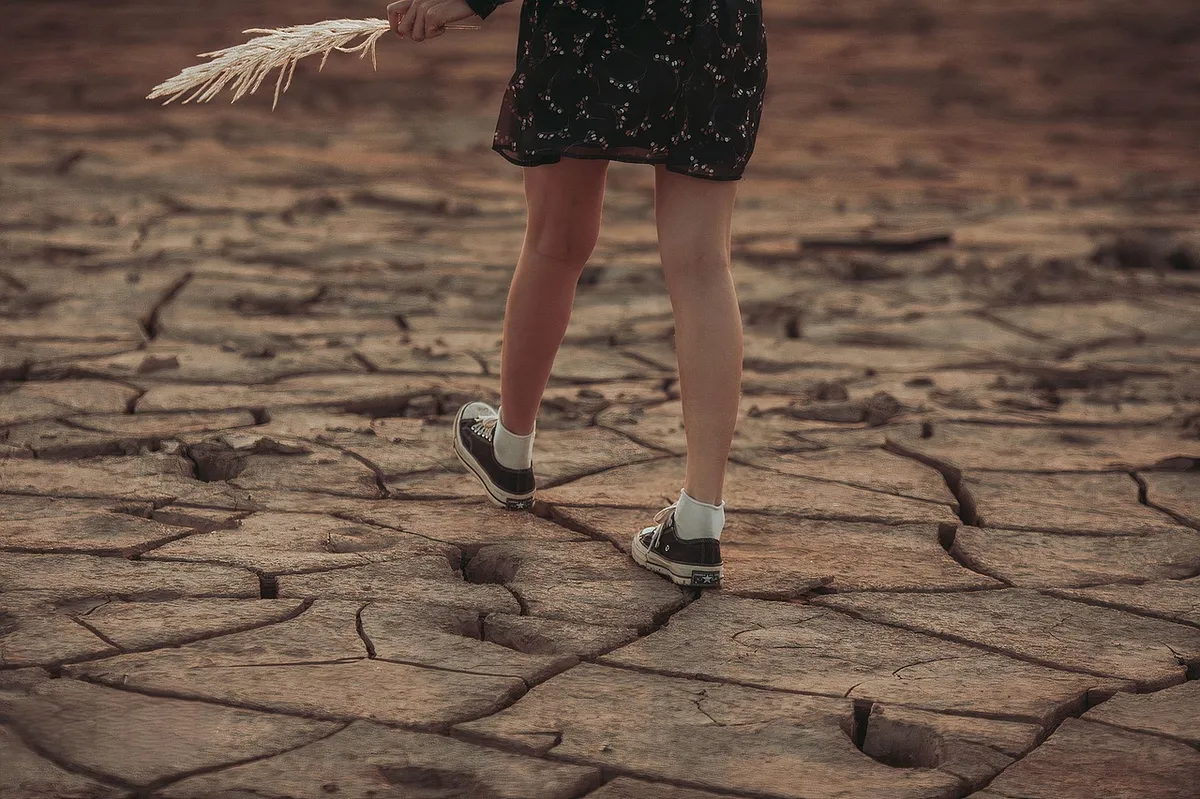
Calculating the Carbon Footprint:
It is used to express carbon dioxide emission rates for individuals, institutions, and countries, or even for the production process of a specific product or a particular activity, and is often expressed in tonnes of carbon dioxide emissions per year (tonne/year).
There are many programs and applications used to calculate the carbon footprint, and their results vary because accounting systems lack unified standards and metrics. However, the goal of this calculation is to reduce greenhouse gas emissions.
One application used to calculate the individual carbon footprint:
https://app.thecapture.club/refer
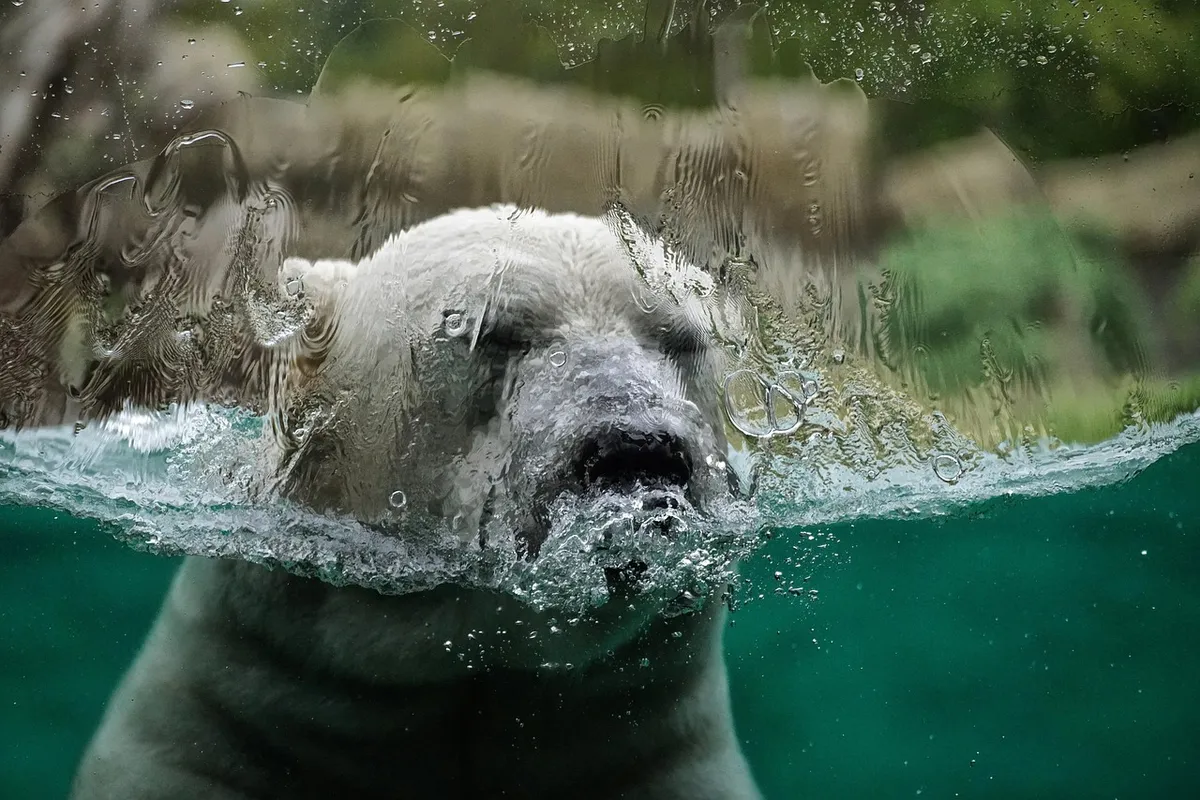
Factors Affecting the Carbon Footprint:
What drives up the carbon footprint is societal illiteracy regarding the climate and greenhouse gases. Societal factors include:
1. Heavy reliance on air travel.
2. Nutritional ignorance marked by increased meat consumption.
3. Reliance on private cars and shunning public transport.
4. Increased consumption of fossil fuels.
Some Methods Used to Reduce the Carbon Footprint:
• Introducing core educational material on the climate and carbon footprint into education to raise a climate-literate generation.
• Awarding academic grades to anyone who provides proof of participating in planting trees, vegetables, or flowers.
• Passing legislation to reduce property taxes by more than 50% for anyone who creates a rooftop garden and maintains it (green roofs).
• Passing legislation to reduce taxes for any institution that tracks its carbon footprint and plants a number of trees to offset the carbon emitted as a result of its institutional activity.
• Stiffening penalties for cutting down trees.
• Requiring airlines and aircraft manufacturers to plant enough trees to absorb the greenhouse gases generated by these aircraft.
References:
1- BP (2007), What is a Carbon Footprint?, Internet site:
http://www.bp.com/liveassets/bp_internet/globalbp/STAGING/global_assets/downloads/A/ABP_ADV_what_on_earth_is_a_carbon_footprint.pdf
2- DEFRA (2007). “Step forward on reducing climate change impacts from products.” DEFRA press release, 30 May 2007, from http://www.defra.gov.uk/news/2007/070530a.htm.
3- Brussels. Analysis of options beyond 20% GHG emission reductions: Member State results . COMMISSION STAFF WORKING PAPER , EUROPEAN COMMISSION, 2012.


Latest video
تابع معنا تحليل قراءة الصحف اليومية مع الكاتب الصحفي Hany Sallam عبر