

The Secrets of Ice Ages Buried in Fish Ears
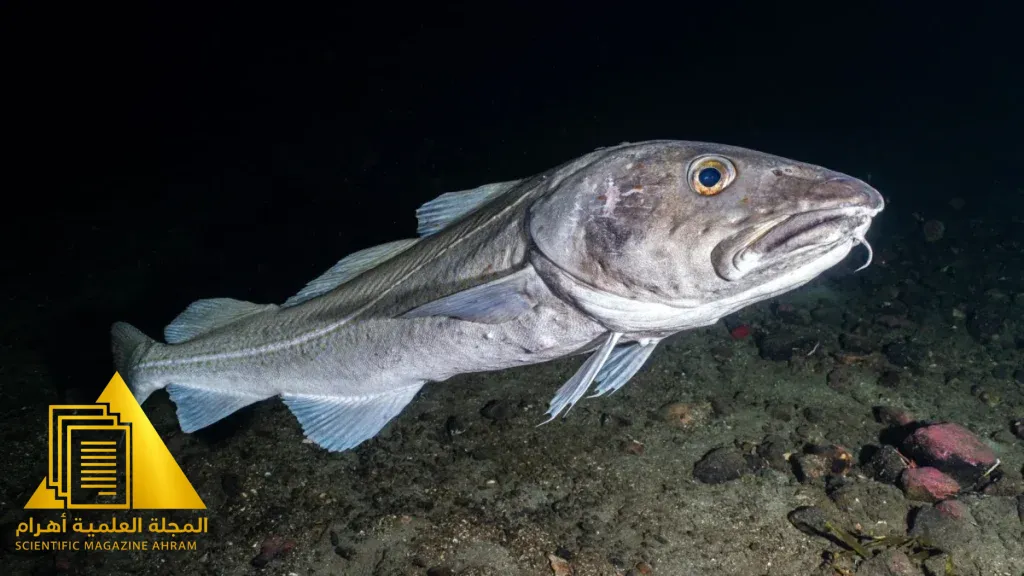
Ocean floors have long hidden striking secrets about our planet’s history, but the biggest surprise this time came from an unexpected place: right inside the heads of polar cod. Scientists have recently decoded the environmental past of the Arctic by studying the otoliths, or earstones, of these fish. These hard formations are very much like tree rings, recording an accurate chronicle of the water temperatures and environmental conditions in which the fish lived over hundreds of years.
How Did Cod Survive the Harshest Ice Ages?
Detailed laboratory analyses of ancient earstones point to an amazing capacity for adaptation shown by polar cod during past ice ages. At a time when massive ice sheets covered huge parts of the planet and ocean waters froze, these small fish managed to find safe havens and resist harsh conditions. They relied on a unique biological resilience that enabled them to withstand extremely low temperatures and food shortages, ensuring the survival of their species despite the severity of the ancient climate.
Modern Warming: The Relentless Threat
History does not always repeat itself with the same variables, however; withstanding an ancient ice age is one thing, and facing today’s rapid global warming is entirely another. Recent studies warn that current climate change and rising ocean temperatures are occurring at a pace that polar ecosystems have never seen before. Although polar cod have proven their survival skills historically, current chemical and thermal changes are imposing unprecedented pressures that may exceed their natural capacity to adapt, signaling a real danger to the unique ecological balance in the Arctic.
By: Hany Sallam
Source: earth.com


Latest video
تابع معنا تحليل قراءة الصحف اليومية مع الكاتب الصحفي Hany Sallam عبر