
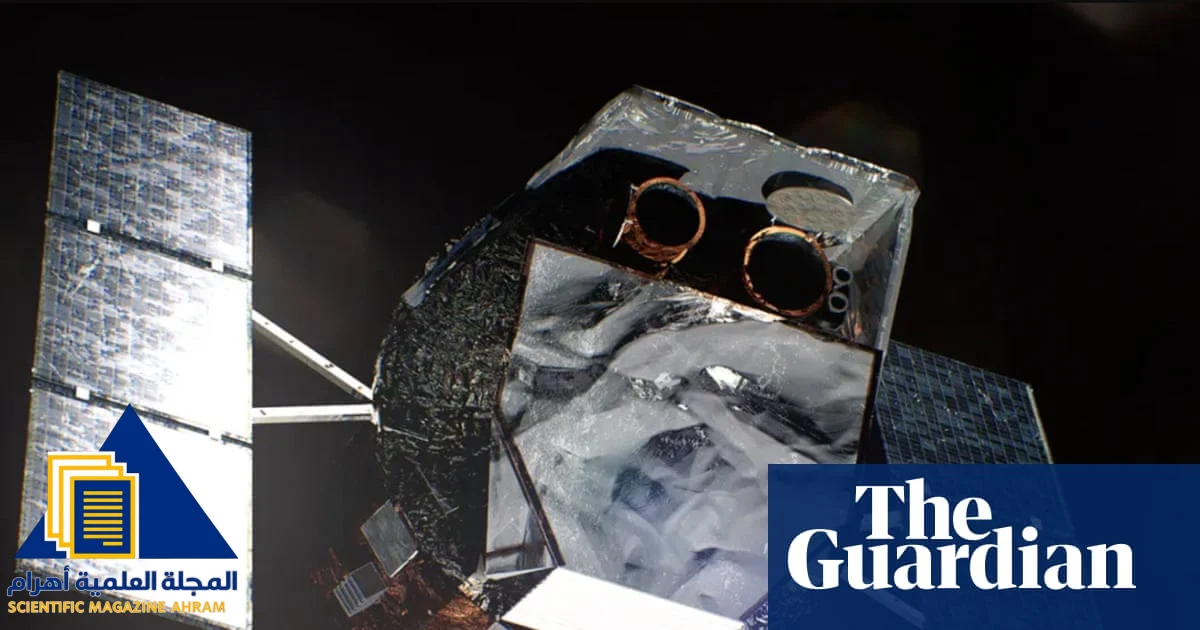

In a dramatic scene reflecting the harshness of space, NASA’s Neil Gehrels Swift Observatory is preparing for its final journey into Earth’s atmosphere, where it will burn up entirely to bring a definitive end to a two-decade scientific career that enriched humanity with unprecedented knowledge about the universe’s most violent phenomena.
A Mission That Lasted Twenty Times Its Original Plan
When this unique observatory launched in 2004, no one imagined it would endure so long in the harsh space environment, having been designed initially to operate for a short period of just two years. Nevertheless, Swift kept running with remarkable efficiency for twenty years, surpassing all expectations and rendering great services to modern astronomy by observing the secrets of the distant universe.
Humanity’s Eye on Major Cosmic Explosions
The observatory played a pivotal role in studying the most powerful explosions in the universe, foremost among them massive gamma-ray bursts. Thanks to its three advanced telescopes, scientists were able to track these mysterious phenomena and understand their complex physical nature, opening a wide door for humanity to grasp how massive stars end and how tremendous energy is generated in distant galaxies.
The Inevitable End and Unplanned Return
Yet every beginning has an end, and rescue attempts for the observatory failed recently after it completely lost the ability to point, observe, and respond to ground commands. Because controlling its trajectory is impossible, its return to Earth’s atmosphere has become inevitable, where it is expected to break apart and burn up completely due to atmospheric friction, turning into glowing shooting stars that draw the curtain on one of modern space exploration’s greatest success stories.
By: Hany Sallam
Source: theguardian.com


Latest video
تابع معنا تحليل قراءة الصحف اليومية مع الكاتب الصحفي Hany Sallam عبر