
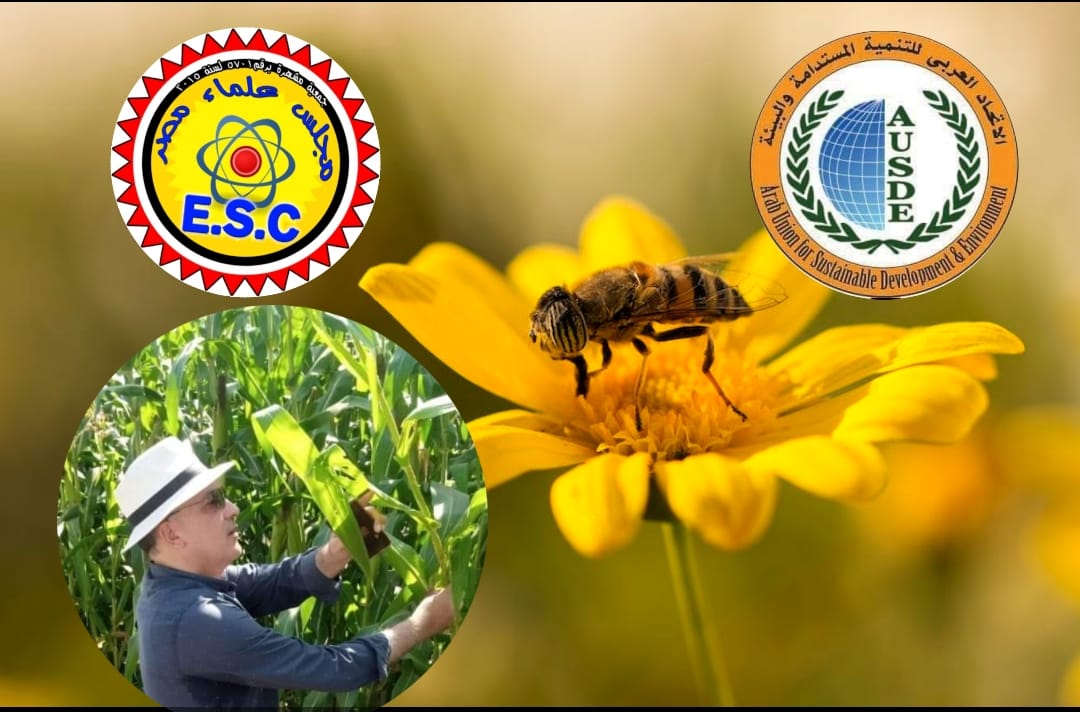

At a quick glance, insects may look like small and insignificant creatures, or even a nuisance to many. But if we look closely and think deeply, we discover that these tiny organisms play vital and essential roles in maintaining the ecological balance upon which life on the entire planet depends. The environmental importance of insects is priceless, and they deserve all our attention, study, and preservation.
Among them:
The Importance of Insects in Pollination:
The role of insects as pollinators is one of the most prominent roles in which they contribute effectively to ecosystems. Bees are the primary star among pollinators, but many other insects, such as butterflies, beetles, and flies, help transfer pollen from one flower to another, enabling plants to reproduce and contributing to the production of fruits and seeds. Agriculture depends heavily on this process, and without it, many crops may be endangered.
Insects as an Essential Component of the Food Chain:
Insects serve as a primary food source for many other living organisms such as birds, fish, mammals, and even other insects. These tiny organisms form a vital link in the food chain, and their removal or extinction may lead to serious imbalances that could eventually cause environmental collapses.
Natural Pest Control:
Insects act as environmental monitors by controlling pest populations. Predatory insects such as ladybirds feed on other insects considered agricultural pests, which helps maintain natural balance and reduces the need for chemical pesticides, which have negative effects on the environment.
Waste Decomposition and Nutrient Recycling:
Insects act as decomposing agents for organic waste and accelerate the recycling of elements in ecosystems, improving soil fertility by converting waste into nutrients that plants can absorb and benefit from, thereby directly contributing to environmental productivity.
Raising Awareness and Scientific Research:
Last but not least, insects make major contributions to scientific research and environmental awareness. Insects are used in biological studies to understand broader phenomena such as disease control, evolutionary mechanisms, and ecological relationships. They also aid in environmental education and highlight the need to preserve our planet’s biodiversity.
Despite their small size, insects have a massive role in safeguarding the health of ecosystems. Preserving the diversity and balance of the world’s insects is an urgent responsibility that casts its shadow on the future of humanity and the entire planet. It is a call to appreciate these small creatures that carry the weight of the continuity of life on our precious planet.
Professor Magdy Farouk El-Samahy
Professor of Nanotechnology and Plant Protection – Plant Protection Research Institute – Agricultural Research Center
Head of the Kafr El-Sheikh Branch of the Arab Union for Sustainable Development and Environment
Board Member of the Egyptian Scientists Council Association
Member of the Scientific Research Ethics Committee at Kafrelsheikh University
Board Member of the Scientific Society for Environmental Protection at Kafrelsheikh University
Advisor to the Board of Directors of Ahram Science Section


Latest video
تابع معنا تحليل قراءة الصحف اليومية مع الكاتب الصحفي Hany Sallam عبر