

West Africa’s Lungs in Danger
Over the past century, the rainforests of West Africa have suffered a severe decline under the weight of urban expansion, commercial activity, and relentless logging. Today, Liberia holds the lion’s share of what remains of these unique ecosystems, containing more than half of the region’s remaining forest cover. Yet this environmental treasure now faces a new challenge that threatens to wipe out its rich remaining biodiversity: the frantic expansion of cocoa farming.
Cocoa: When a Crop Becomes an Enemy to Forests
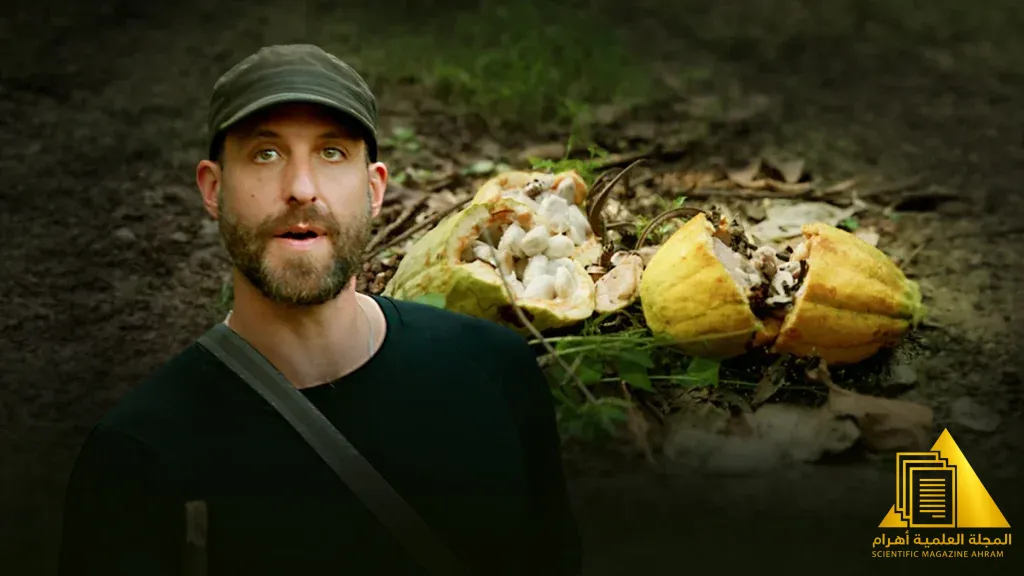
Cocoa farming is a main driver of deforestation in several parts of West Africa, and it is now driving its roots deep into southeastern Liberia. As global demand for chocolate rises, farmers and companies are rushing to clear vast areas of virgin forest to create cocoa plantations. This process not only removes ancient trees, but also destroys the natural habitats of hundreds of animal and plant species that can only survive in dense forest environments.
A Difficult Equation: Economy Versus Nature
The expansion of cocoa production puts Liberia at a critical crossroads. While this sector represents an important economic opportunity to boost local incomes and support national growth, the environmental cost
appears very high indeed. The loss of vegetation cover does not only mean losing trees; it means degraded soil quality, disrupted natural water cycles, and worse local impacts from climate change.
Toward a More Sustainable Future
Protecting Liberia’s forests does not mean abandoning economic development; rather, it requires adopting smarter agricultural models. Experts discuss the need to apply agroforestry practices that integrate cocoa trees with native forest trees, which preserves shade and ecological balance. The challenge lies in how to drive agricultural production without harming what remains of our green treasures—an equation that requires international and local cooperation to ensure the world’s future is not linked to destroying the forests that clean our air and protect our planet.
By: Hany Sallam
Source: news.mongabay.com


Latest video
تابع معنا تحليل قراءة الصحف اليومية مع الكاتب الصحفي Hany Sallam عبر