

The Illusion of Marine Protection
In 2022, 196 countries pledged to commit to the “30×30” initiative, an ambitious plan aimed at protecting 30% of ocean and coastal areas by 2030 under the Kunming-Montreal Global Biodiversity Framework. As we reach the halfway point toward this deadline, the figures remain disappointing. Marine reserves cover only 10% of the total ocean, putting biodiversity protection plans at risk.
Sharks: Victims of Poor Planning
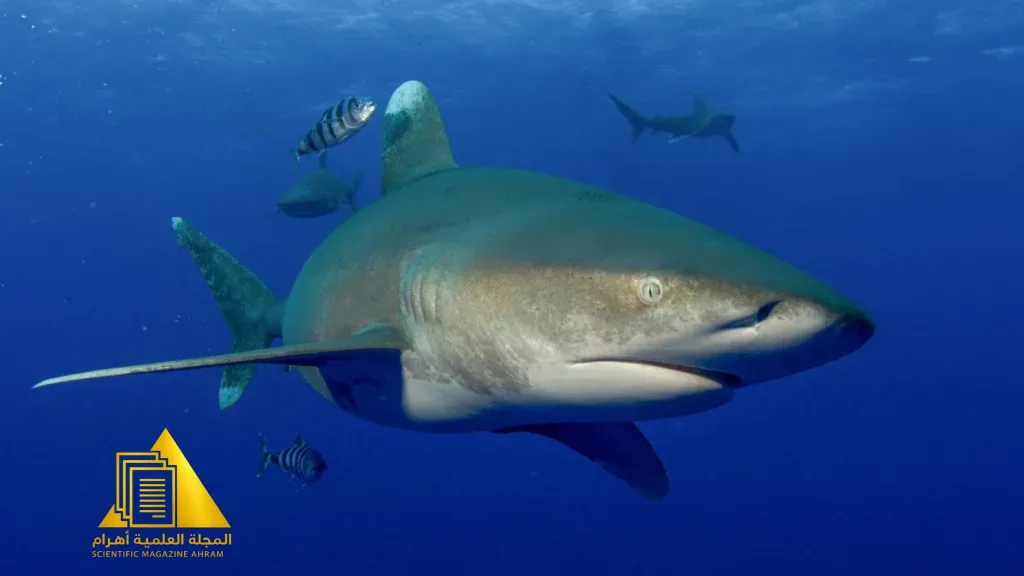
A recent scientific study revealed that marine reserves
currently do not provide the hoped-for safe haven for sharks and rays. Despite these areas being declared reserves, their design often lacks a scientific vision that takes into account the migratory routes or breeding grounds of these creatures. This leaves them vulnerable to bycatch or human exploitation even within supposedly protected boundaries.
The Need for Reassessment
Experts believe the problem lies not only in the size of the reserves, but in their effectiveness. Most current protected areas are concentrated in geographic locations that do not overlap with high concentrations of sharks. For the “30×30” goal to be truly achieved, drawing lines on maps is not enough. Instead, there must be a shift to “dynamic protection” that tracks the movements of endangered species and imposes strict restrictions on fishing activities in their international migration corridors.
The Future of Aquatic Biodiversity
Sharks and rays play a vital role in maintaining the balance of marine ecosystems. Current data confirms that failing to protect them could lead to irreversible ecological imbalances. Therefore, the current scientific call is not merely an arithmetic exercise, but a warning bell for governments to reassess conservation strategies and turn paper promises into a tangible reality that ensures the sustainability of life in the ocean depths.
By: Hany Sallam
Source: news.mongabay.com


Latest video
تابع معنا تحليل قراءة الصحف اليومية مع الكاتب الصحفي Hany Sallam عبر