

Cosmic Fingerprints in Tiny Grains of Dust
Day by day, science shows that the greatest secrets can lie in the smallest details. A pioneering study recently published in the journal Science Advances confirmed this, as a team of researchers at NASA’s Johnson Space Center and the University of California, Los Angeles, solved a longstanding mystery about the origins of our solar system using just twelve microscopic dust grains.
An Airborne Journey to the Secrets Beyond Neptune
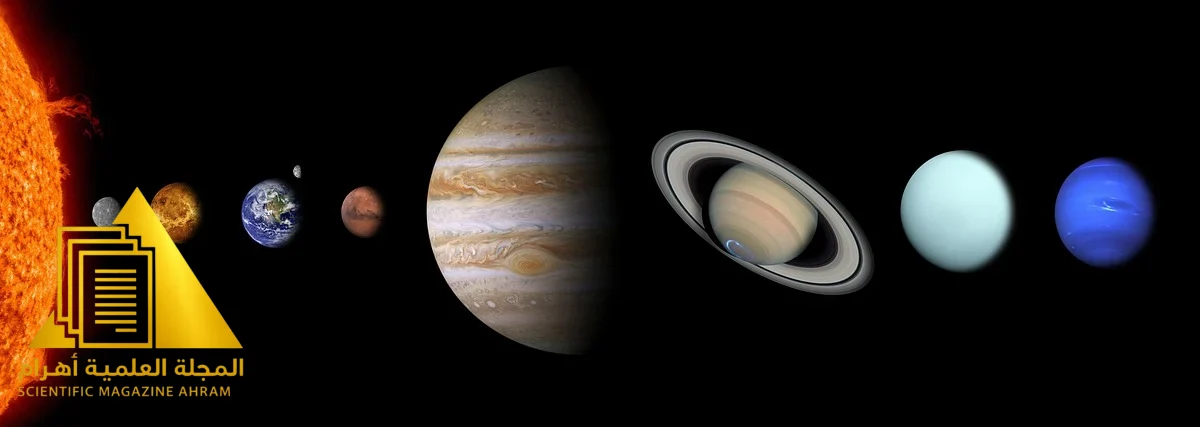
These space discoveries did not require giant spacecraft. Instead, they relied on cosmic dust grains collected by an aircraft specially equipped to fly in the upper atmosphere. These tiny particles carried invaluable clues about the history of the dark, distant region beyond the orbit of Neptune—remote realms that hold many secrets from the earliest moments of the solar system’s formation.
The Hidden Heavy Water Reservoir
Detailed laboratory analyses of the dust grains showed that this remote region once contained a huge, isolated reservoir of “heavy water.” Surprisingly, this unique water remained trapped at those distant borders and never merged with the water that formed the inner planets, such as Earth, reshaping our understanding of how water resources are distributed in deep space.
By: Hany Sallam
Source: universetoday.com


Latest video
تابع معنا تحليل قراءة الصحف اليومية مع الكاتب الصحفي Hany Sallam عبر