

An Ecological Mystery in Patagonia’s Waters
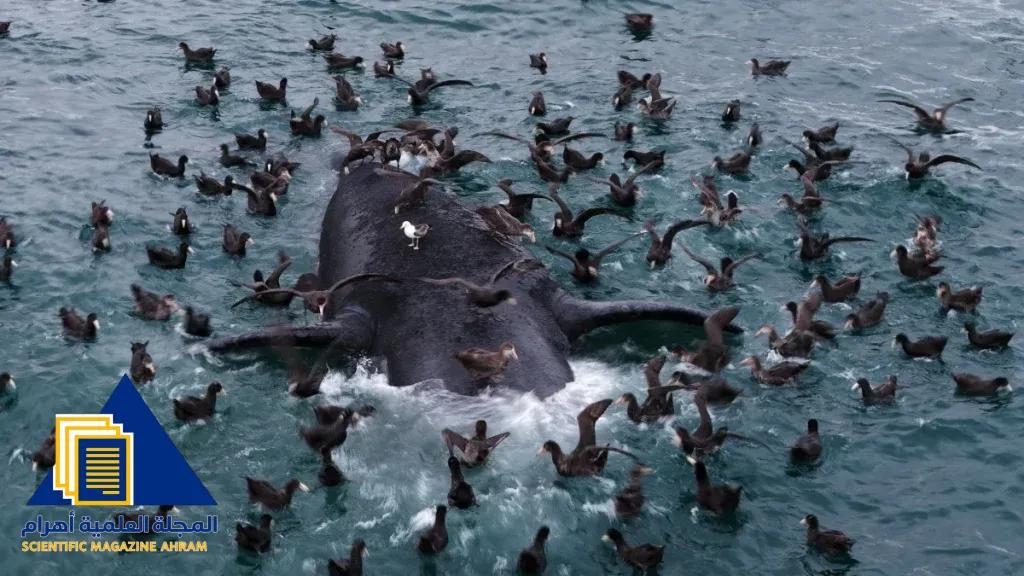
Argentina’s coasts have recently been waking up to chilling scenes as unusual numbers of whale calves begin stranding themselves on the shores, breathing their last breaths in a phenomenon that has alarmed scientific circles. This biological bleeding in the Patagonia region is not merely a passing incident; it represents a complex mystery that experts are trying to decode amid fears of a deterioration in the ecological balance of the Southern Ocean.
Intensive Investigations Facing the Unknown
Rescue teams and specialized scientists have rushed to the site, where biological samples are currently being collected and precise examinations are being performed on the carcasses of the dead whales. Investigations are focusing on two main directions: the first is the presence of pathological or bacterial factors that may have spread among newborn whales, and the second is climate change, which may have affected food sources or led to seawater poisoning by harmful compounds such as toxic algae, which secrete neurotoxins that affect marine mammals.
The Impact of Climate Change and Human Activity
Some researchers point to rising ocean water temperatures as a potential hidden factor altering migration routes or weakening the immune systems of whale calves. In addition, scientists are studying the role of noise pollution caused by ships and human activities, which may disrupt the ability of mother whales to communicate with their young, leaving the calves more vulnerable to natural hazards. The loss of such a large number of whale calves is a serious indicator of ocean health, as whales act as a safety valve for global biodiversity.
A Race Against Time to Protect the Species
Research remains in its early stages, and scientists are still awaiting the results of laboratory analyses to determine the true cause. At the same time, environmental authorities stress the need to monitor coasts closely to rescue any whales that may drift ashore alive, viewing this incident as an alarm bell that requires international cooperation to protect these majestic creatures, which face mounting environmental challenges on a planet whose climate is being disrupted day by day.
By: Hany Sallam
Source: phys.org


Latest video
تابع معنا تحليل قراءة الصحف اليومية مع الكاتب الصحفي Hany Sallam عبر