
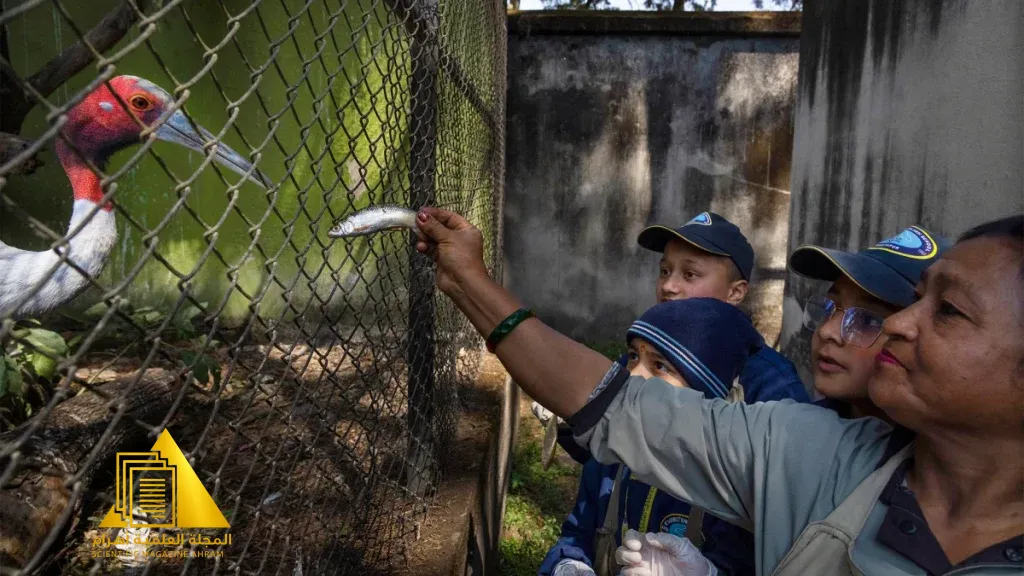

Tragedy at Nepal Zoo: When Scientific Protocol Is Absent
Nepal’s Central Zoo recently witnessed a tragic chapter of environmental neglect when a sudden bird flu outbreak led to the death and culling of at least 65 birds and animals. This disaster was not merely an accidental incident; an investigative report by a conservation organization instead uncovered structural gaps in the zoo’s biosecurity system, turning the crisis from a limited outbreak into a mass loss of wildlife.
A Chain of Technical and Administrative Failures
The investigation pointed out that the root cause behind the worsening situation was not the virus itself, but rather lax preventive measures. A delay in reporting the initial symptoms gave the virus valuable time to spread among different animal groups. In addition, the report revealed weak communication channels between the departments responsible for animal care and the zoo management, which prevented immediate quarantine measures that could have saved many species.
The Absence of Biosecurity: A Threat to Public Health
Weak biosecurity protocols in a zoo are a vulnerability whose effects are not limited to animals alone, but extend to pose a risk to public health. Leniency in sterilizing protection facilities, along with a lack of close monitoring of staff and visitor movements in affected areas, created an ideal environment for the virus to spread. Epidemic experts stress that zoos open to the public must be biological fortresses, where every vital interaction is tracked to ensure diseases do not jump between species or to humans.
Lessons Learned to Prevent Repeating the Tragedy
This incident places the administrations responsible for reserves and zoos
around the world before an ethical and scientific responsibility. Providing food and shelter for animals is no longer enough; adhering to international biosecurity standards has instead become an absolute necessity. This requires updating emergency response plans, training personnel on rapid monitoring and diagnosis, and establishing strict communication protocols that ensure scientific information flows without delay. In the world of epidemics, time is the decisive factor between controlling an infection and a total disaster.
By: Hany Sallam
Source: news.mongabay.com


Latest video
تابع معنا تحليل قراءة الصحف اليومية مع الكاتب الصحفي Hany Sallam عبر