

By Dr. Messa Salah El-Din Ismail:
Sources of Electricity Generation in Egypt
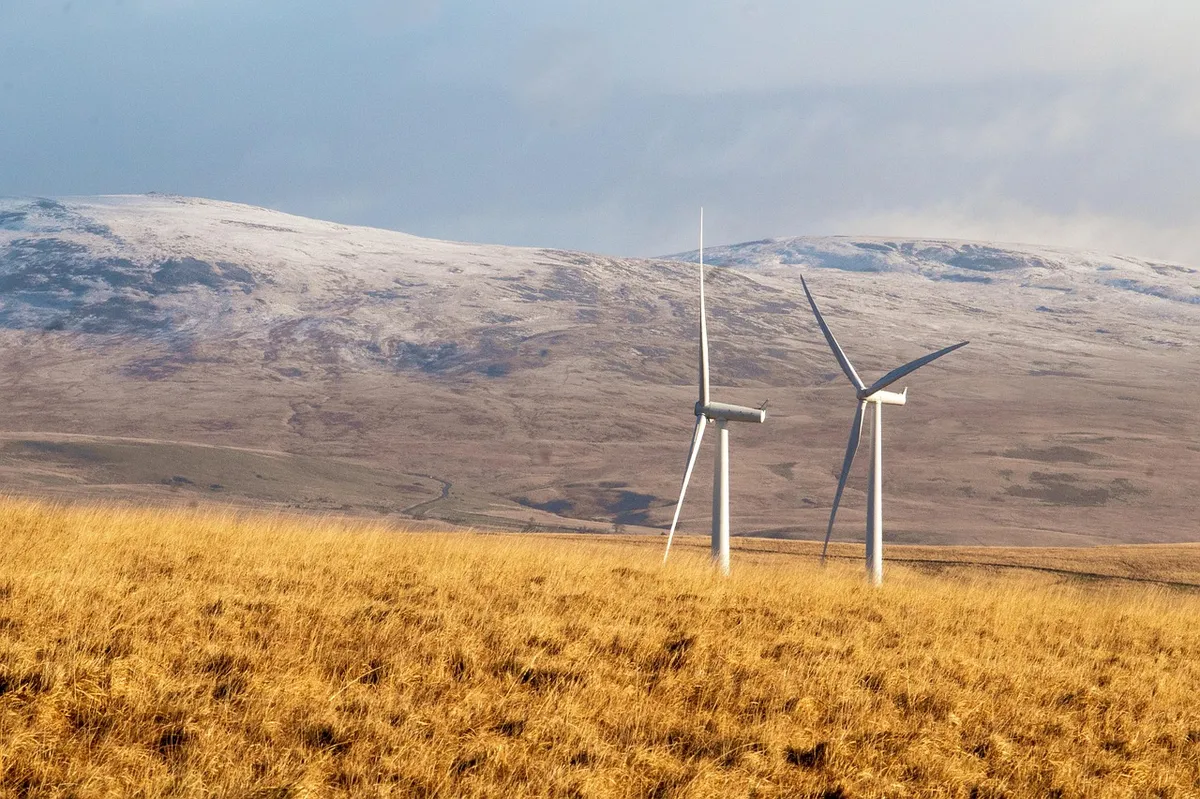
First: Existing Wind Power Stations (1,375 MW)
- 1. Zafarana Wind Farm (545 MW)
- The farm includes 700 turbines of various models (600 kW, 660 kW, 850 kW).
• This station was built in several phases starting in 2001 through government cooperation protocols with Germany, Denmark, Spain, and Japan.
- 2. Gabal El Zeit Wind Farms (580 MW)
The farm comprises 3 stations:
- Gabal El Zeit Wind Station (1) with a capacity of 240 MW in cooperation with the German development bank KfW, the European Investment Bank (EIB), and the European Commission (EU).
- Gabal El Zeit Station (2) with a capacity of 220 MW in cooperation with the Japan International Cooperation Agency (JICA).
- Gabal El Zeit Station (3) with a capacity of 120 MW in cooperation with the Spanish government.
- It houses 290 wind turbines of the G80 model (2 MW per turbine).
- Private sector wind station in the Gulf of Suez with a capacity of 250 MW.
The station was built under a Build-Own-Operate (BOO) system by the Ras Ghareb Wind Energy Company, which includes a consortium of France’s Engie, Egypt’s Orascom, and Japan’s Toyota.
- It is the first privately owned wind power station in Egypt.

Second: Solar Energy
Solar Thermal Water Heating Systems
– Using solar energy for water heating is a widely used application globally to reduce electricity consumption and save fuel.
– The total installed area of solar water heaters in Egypt exceeds 3,900 thousand square meters.
– The number of Egyptian companies operating in the manufacturing, import, distribution, and installation of solar water heaters is estimated at more than 20 companies.
Solar Power Stations: Existing Stations (1,763 MW)
- Kuraymat Solar Thermal Power Station
- The project is one of 3 projects implemented and operated across the African continent in Morocco, Algeria, and Egypt, relying primarily on integrating a combined cycle with a solar field.
- The project capacity is 140 MW, including 20 MW from the solar component.
- The local manufacturing percentage in the solar component reached about 50%.
• Commercial operation of the station began on July 1, 2011.
- Benban Solar Photovoltaic Complex with a capacity of 1,465 MW
▪ Investment volume reached about $2.2 billion.
▪ It includes 32 companies and consortia.
▪ It provided about 10,000 direct and indirect jobs.
▪ Commercial operation of the station began in April 2018.

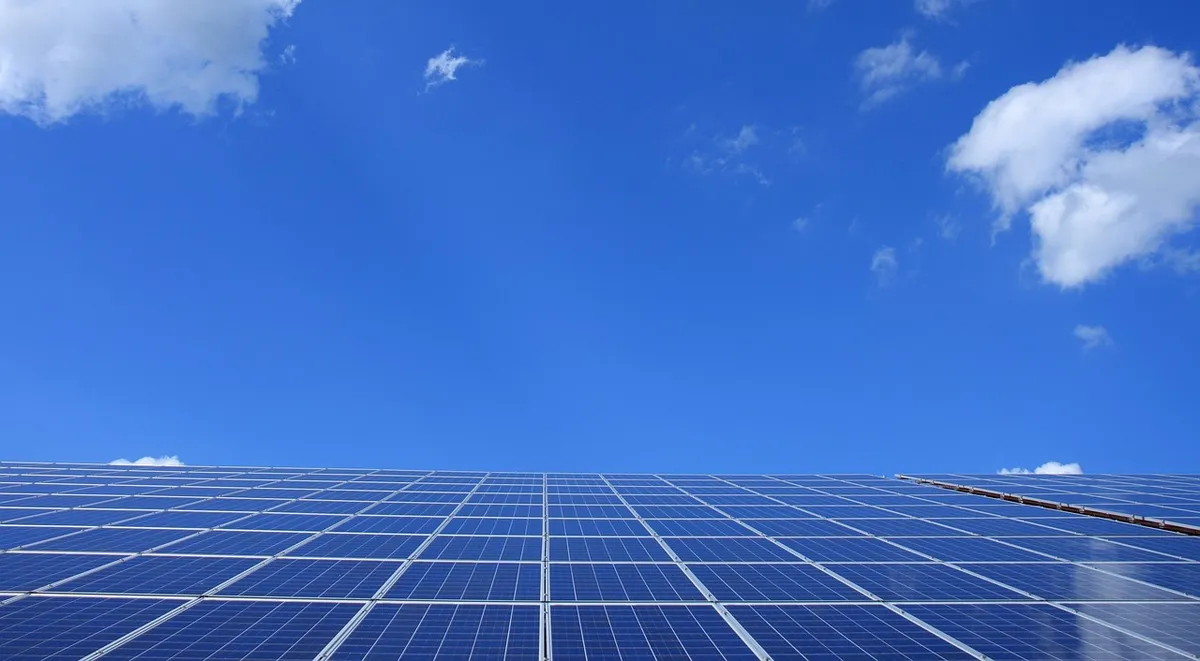
Photo of the Benban Solar Photovoltaic Complex in Aswan
- Kom Ombo Photovoltaic Cell Station with a capacity of 26 MW in cooperation with the French Development Agency
- Commercial operation of the station began in February 2020.
Distributed grid-connected photovoltaic cell stations using net metering systems with a capacity of 100 MW
Off-grid decentralized photovoltaic cell stations with a capacity of 32 MW
- Electricity supply stations for areas, villages, and communities not connected to the unified grid using photovoltaic cells in cooperation with the UAE government
Third: Pumped-Storage Hydroelectric Stations and How They Work
Hydroelectric Pumped-Storage Power Stations
Jabal Ataqa Power Station Project
Jabal Ataqa Power Station Project

Details of the Largest Project in the Middle East for Generating Electricity from Wastewater
- The Egyptian Electricity Holding Company has signed a conditional contract with the Chinese side.
- The project consists of eight units with a capacity of 300 megawatts each, using a pumped-storage system with a total capacity of about 2,400 megawatts.
- It is the first plant in the Middle East to generate electricity from wastewater, using treated wastewater.
- The electricity sector is executing the project in cooperation with the Chinese company Sinohydro.
- The estimated cost of the project is $2.7 billion, backed by 100% concessional financing.
- The project will provide about 15,000 direct and indirect jobs for young people during the construction phase.
- The Jabal Ataka plant is the first station in the Middle East and the fourth largest in production volume in the world.
- The implementation period for the project takes about 7 years.
- The project will use tertiary-treated water produced by the wastewater treatment plant in Suez Governorate.
- The plant helps support the national electricity grid during peak times by relying on water sources using tertiary-treated water.
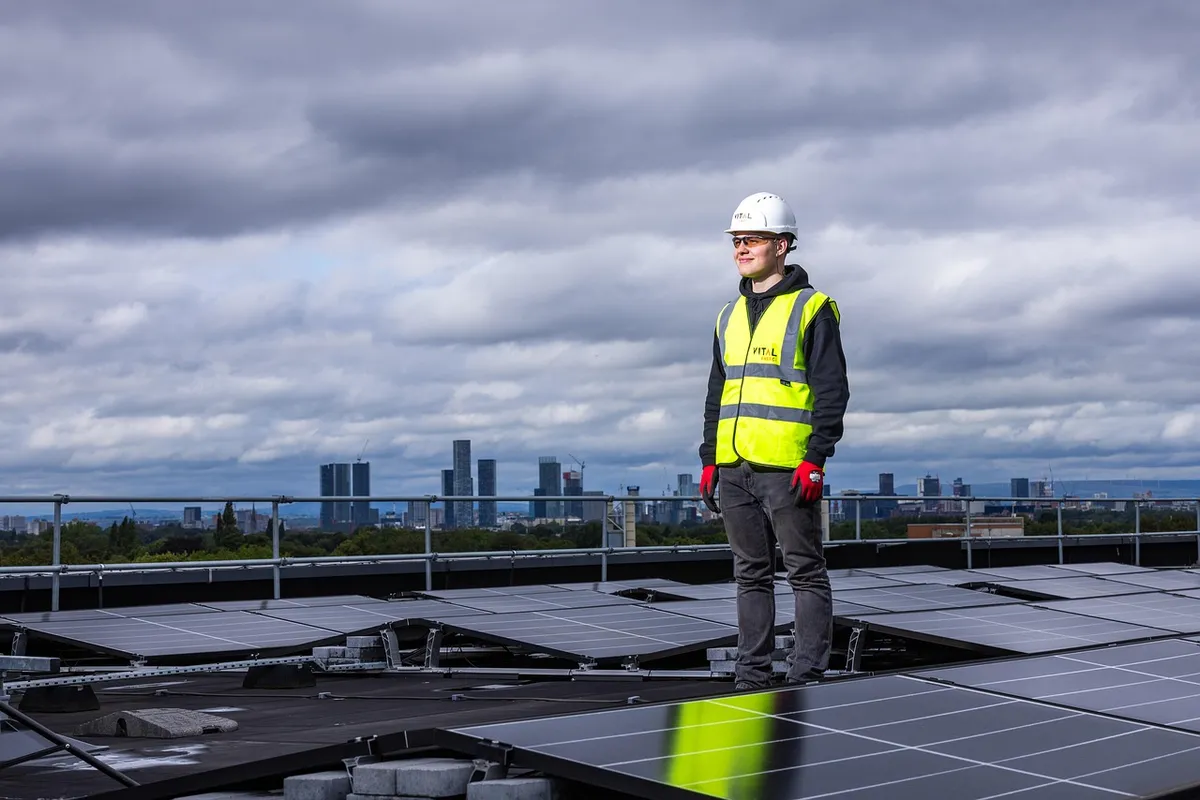
As a Result: Egypt Jumps 8 Places in the Global Energy Transition Index, Moving from 84th in 2020 to 76th in 2021
References
1) New and Renewable Energy Authority (2015). Annual Report. p. (Arabic version 12)
2) New and Renewable Energy Authority, Official Website, Strategy
3) Egypt Wind Atlas
4) New and Renewable Energy Authority (2015). Annual Report. p. (Arabic version 27-30)
5) Egypt Solar Atlas
6) New and Renewable Energy Authority (2015). Annual Report. p. (Arabic version 39-44)
7) New and Renewable Energy Authority (2015). Annual Report. p. (Arabic version 23-29)
8) Official website of the New and Renewable Energy Authority, feed-in tariffs


Latest video
تابع معنا تحليل قراءة الصحف اليومية مع الكاتب الصحفي Hany Sallam عبر