


By: Eng. Shaimaa Ashry
Director of Scientific Communication and Technology Transfer
General Administration of Research and Development
Alexandria Water Company
Occupational health and safety is not merely a set of rules and instructions to follow to avoid losses and fines; rather, it is a philosophy, a mindset, and an awareness of the importance of preserving lives, facilities, property, and everything of value. If you ask me, dear reader, after working for many years in safety and work environment security, I have found that what safety specialists and workers in this field suffer from most is a weak culture of prevention and preservation of physical and mental well-being among workers across various specializations, qualifications, and job grades. Other challenges include failing to prepare work environments from the early stages of construction to apply occupational health and safety concepts smoothly, effectively, and at the lowest cost; and the absence of effective, advanced, and flexible safety management systems to monitor the implementation of regulations, track violations, analyze injury and accident data, and hold absolute authority to make necessary modifications and changes to reduce them. We can say that occupational health and safety has become a very important science aimed at protecting workers in factories and workplaces from potential accidents that could cause injury or death, God forbid, as well as preventing any damage or loss to facility property.
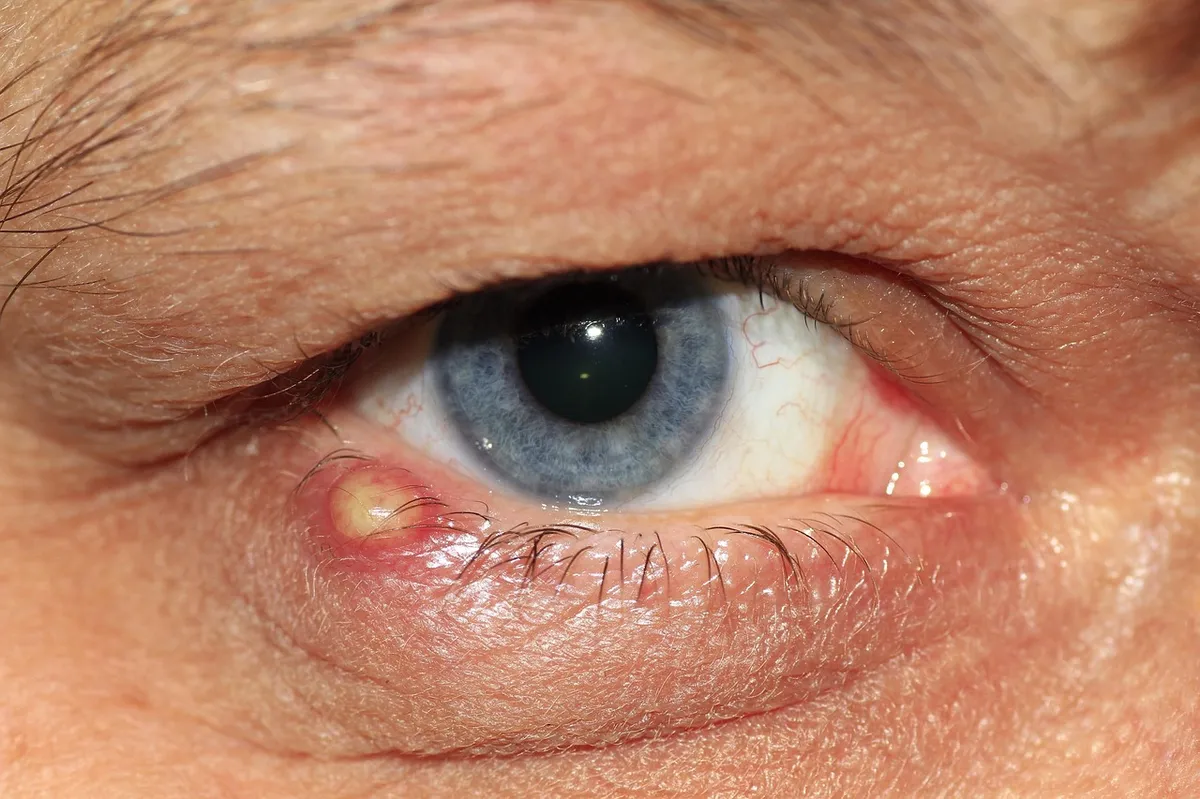
In general, this science is rooted in several criteria, requirements, and governing laws that must be followed to protect ourselves and those around us. As the saying goes, “safety is for everyone,” which means it is everyone’s responsibility to work together to live in a safe and reassuring work environment. In all areas of life, a worker’s behavior inside a facility does not affect them alone; it affects everyone around them in the immediate work area, and this impact may extend to all members of the organization and even outside the scope of factories, plants, and major institutions. We find that safety and awareness of it play a role in our everyday lives. When dealing with electricity and household appliances, for example, following general safety requirements is indispensable, as is reading the manual for the appliances you intend to use. Similarly, when driving your car, you cannot do without following traffic safety rules such as road signs, making sure everyone in the vehicle wears a seatbelt, and adhering to the speed limit. Safety must always come first, anytime and anywhere.
History and Origins of Safety and Work Environment Security Requirements
When the Industrial Revolution began in Europe and peasants flocked in large numbers to cities where industry was located, fleeing the oppression they faced from feudal lords, many accidents began to occur, injuring these migrants who lacked knowledge of industry and its hazards. Factories were crowded with various types of risks, and the prevailing view was that if an accident occurred and the injured person was at fault, the employer bore no responsibility whatsoever. When accidents increased at an alarming rate and everyone began talking about them, laws and legislation were enacted requiring factory owners to compensate injured workers for accidents even if they were the cause of them. When factory owners began improving working conditions out of fear of the compensation they had to pay to injured parties—which reduced the number of injuries—the accident rate rose again due to an increased reliance on machinery in the production process, in addition to another primary reason: industrial safety not being treated as an economic component of the enterprise on par with its ultimate goal of absolute profit.

General Objectives That Occupational Health and Safety Seeks to Achieve
- Protect human resources from workplace hazards by preventing accidents, injuries, and occupational diseases.
- Safeguard physical assets, including facilities, equipment, and machinery, from damage or loss resulting from accidents.
- Provide and implement all occupational health and safety requirements that guarantee a safe environment, protecting both human and physical resources.
- Occupational health and safety aims, as a scientific approach, to instill safety and reassurance in employees while they work, and to curb the anxiety and panic that arise when dealing with tools, materials, and machinery that harbor hidden dangers—often under unsafe conditions that repeatedly threaten their lives with severe hazards. This is what safety achieves.
- Create a safe work climate that enables employees and workers to perform their duties to the best of their ability.
- Protect equipment and tools used in the workplace from damage or loss.
- Increase production, prevent work disruption, and enhance employee efficiency.
- Create an attractive work environment capable of attracting new workers.

How to Easily Provide a Safe Work Environment
- Use personal protective equipment during work without underestimating its importance, and learn the correct ways to use it to achieve the desired goal.
- Provide a first-aid kit at work sites to handle minor injuries quickly.
- Keep chemicals and flammable materials away from employee gathering areas, as they pose a real danger to factories, facilities, and the workers within them.
- Activate the concept of occupational safety inside factories and facilities by appointing an occupational safety supervisor to monitor safety requirements, which helps reduce many accidents.
- Raise employee awareness within the facility regarding the hazards of each job and how to prevent them by conducting safety awareness lectures before carrying out hazardous work.
- Focus on raising the preparedness of workers in factories and facilities by conducting drills that provide them with sufficient experience in evacuation and handling accidents should they occur.
- Maintain ongoing coordination between factory owners or operators and the civil defense agency for occupational health and safety and relevant authorities by holding courses for work supervisors and employees aimed at providing a safe work environment for everyone.
- Provide high-quality personal protective equipment, safety gear, measuring devices, and mechanisms to monitor and track hazards and resulting injuries.
- Issue brochures, posters, and flyers periodically and keep pace with developments in the work environment regarding public safety, as these publications are essential and important for educating employees and raising their awareness, thereby reducing workplace injuries.
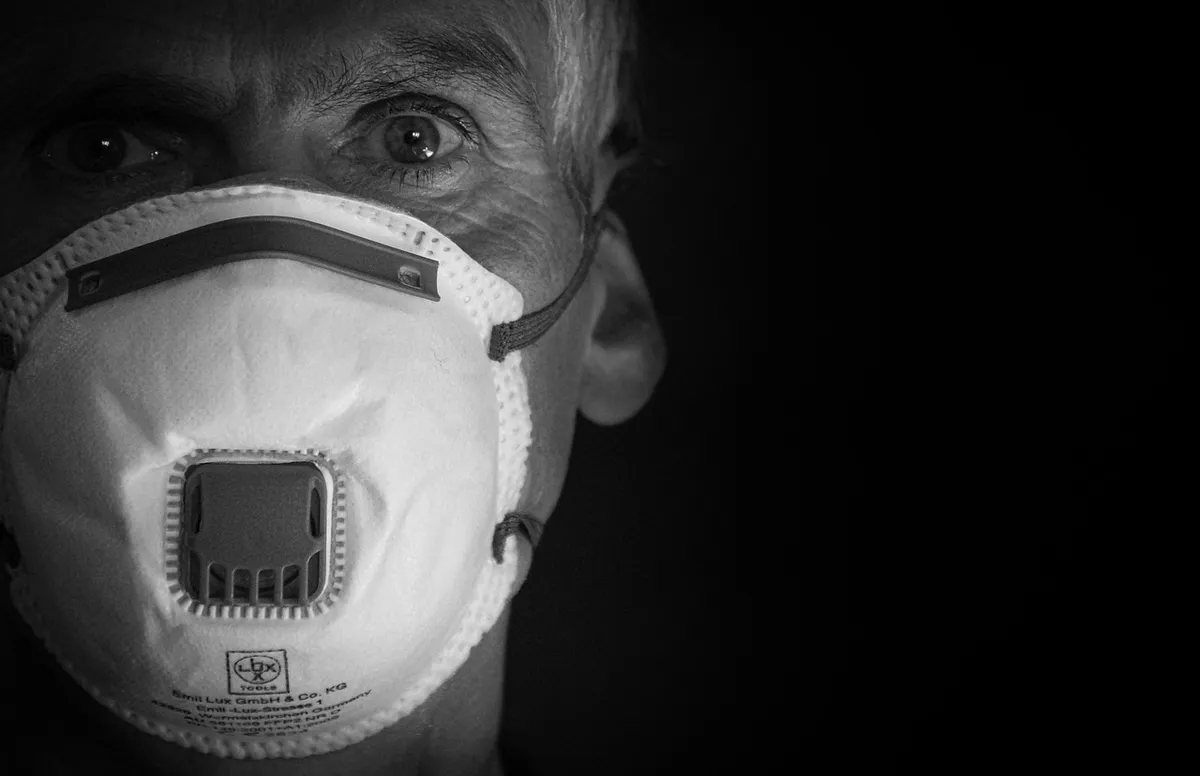
In conclusion, we hope we have briefly and simply explained the general concept of occupational health and safety science, the desired goals of complying with its requirements and standards, the importance of applying them, and the benefits to individuals and facilities alike from adhering to these requirements and instructions. We emphasize the idea that safety is a philosophy and an indispensable lifestyle for every member of society.

Next Article: What Is Job Safety Analysis?
References:
1- Guidelines on Occupational Safety and Health Management Systems – International Labour Organization, 2001
2- Occupational Health and Safety Management Systems Specification OHSAS 18001:2007
3- National Association of Safety Professionals Website: http://www.naspweb.com
4- IEC/ISO Standard 17020:2012, ISO Standard 19011:2011
5- US Occupational Safety and Health Administration (OSHA) Website


Latest video
تابع معنا تحليل قراءة الصحف اليومية مع الكاتب الصحفي Hany Sallam عبر