
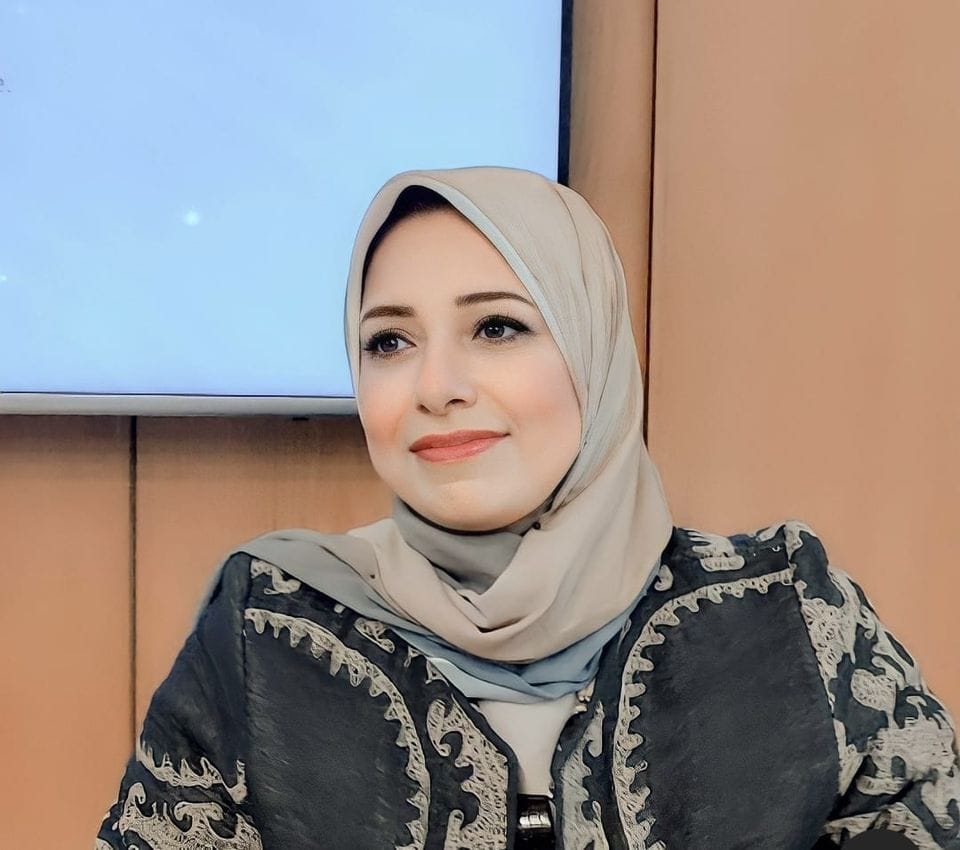

Dr Randa Shaheen
Nations have lived through many periods of prosperity and hardship. Anyone reflecting on what is happening across the world today will find that analyzing the scene requires deep thought to identify the causes of the global economic crisis. The situation is plain to see, to the extent that the ordinary person on the street feels this crisis in soaring prices for all goods, especially the exaggerated rise in imported goods. There are also unjustified, runaway increases in the prices of food, poultry, vegetables, and fruit, particularly locally produced items. We note that economic inflation in the Egyptian market has encompassed multiple areas of life (the real estate market, the automotive market, the gold market, and so on).
*The core of the problem in Egypt lies in its inability to achieve self-sufficiency in the food and various equipment it needs. We can point to several reasons for this, including:
The global economic crisis, which began with the outbreak of the coronavirus pandemic, and its diverse impacts on peoples and nations. It is as though the world has been fighting an actual war with the coronavirus, and people have fallen into psychological warfare, ranging from accusations of a biological war and viewing it as a manufactured virus, to media promotions of it as a weapon serving economic or international purposes. Overall, this affected the global economy, particularly the economies of low-income countries. Egypt pursued a distinct approach that included all measures aimed at minimizing losses (technical, social, or economic) at the levels of planning, execution, and oversight.
The effects of the Russian-Ukrainian war. Before the outbreak of the Russian-Ukrainian war, and despite life returning to something resembling normal following the spread of the coronavirus pandemic, the world suffered from rising inflation rates and the worsening of what was called the supply chain crisis, which left behind severe shortages in the supply of many goods, in addition to increased logistical costs. Then came the shock of the Russian-Ukrainian war between two countries that are the largest in area on the European continent and hold important strategic positions globally in the production of natural resources, energy, and food. This multiplied the crisis many times over what it was before the situation erupted. The most prominent repercussions of this war were soaring food prices and supply shortages, catching countries that rely heavily on imports from the two warring nations unawares—foremost among them Egypt, which imports 50% of its wheat from Russia and 30% from Ukraine. Wheat constitutes the primary food item for the Egyptian people, accounting for 80% of their consumption. The cost of Egypt’s wheat imports increased by more than $1 billion a year, placing an additional burden on the Egyptian state budget. This was not Egypt’s only suffering from the impact of the war; the Egyptian stock market was also negatively affected due to its reliance on wheat imports from Russia and Ukraine. Furthermore, Egypt is the world’s largest importer of wheat, resulting in rising domestic wheat prices, a decline in foreign exchange reserves, and an increase in inflation, which in turn affected the Egyptian economy as a whole.
Egypt performing its leading role in hosting and welcoming Arab populations facing crises and the rising numbers of refugees from numerous Arab countries, such as Syria, Sudan, Yemen, and Iraq. This led to a general rise in prices and particularly impacted the real estate market. President Abdel Fattah El-Sisi stated during a visit to one of the Armed Forces bodies: It is important that you know the number of guests present in Egypt. When I asked, I found the number was unclear. I am not mentioning nationalities, but I want to say that we have nine million guests living on Egyptian soil. By the way, in every country experiencing instability and turmoil, people become frightened and terrified. We hope that we remain a haven and safe for ourselves first, and then for anyone who seeks refuge with us and stays until their country stabilizes.
Thank you for Egypt’s leading role throughout history toward all countries of the Arab world, and especially the countries of the African continent.
*To trace this matter and search for solutions to the problems we are experiencing, we need to take the military system—with its clear discipline and high-quality execution of all national tasks assigned to it—as a role model for all institutions. Every institution needs a leader, president, or manager who possesses the capabilities and skills that qualify them to make the right decision at the appropriate time, work to develop their institution in light of available resources, and have a future vision built on sound strategic planning. Every official must perform their assigned role, diversify all development projects, and seek ways to achieve economic development across all fields (agricultural, industrial, and commercial). The state’s regulatory agencies must strike with an iron fist against all price manipulators, curb the role of greedy merchants in driving up prices and causing inflation, and eliminate the monopoly of goods.
*Likewise, plans for self-sufficiency in grains, oils, and livestock must be achieved, as these sectors absorb tens of millions of workers, protect the country from economic crises and fluctuations, and preserve Egypt’s leadership and standing across different eras.
Hope at this stage rests on change. Change is the way of the universe and a divine law that breathes hope into souls, much as the light of morning dispels the darkness. The hopes and ambitions of the Egyptian people lie in change, and replacing human cadres across the ministries is the way to overcome crises by empowering conscious thought, sound policies, and aware plans that support the development of state institutions, and drawing on the expertise of countries that have preceded us in various fields of development. These leaders also need to rely on work teams and assistants with creative capabilities that make it possible to overcome crises and offer unconventional solutions to build society.
*Egypt can get through the current global economic crisis with the least possible losses through the economic policies currently pursued by the state, which seek to bring about a relative balance between economic pressures and the requirements of the Egyptian market, in light of high inflation rates and their impacts, amid the scarcity of foreign currency, and as the Egyptian government seeks to provide the necessary liquidity for investors and businesspeople to secure production requirements.
*In conclusion, we say: We know that the challenges are numerous and the problems varied. Let my words serve as the hope that lights the way for a new generation with the motivation and positivity needed to build this noble homeland. Despite all the circumstances and crises Egypt is going through, it is a great, sovereign state with a leading and influential role in the region regionally and internationally, and the stability and security of the entire region rests on the stability and security of Egypt. How many conspiracies are plotted against Egypt, but through the wisdom of its president, the support of the Egyptian Armed Forces, they pass, fade away, and are folded into the history of strong Egypt.
May God bless Egypt and protect its leadership, people, and army, and safeguard its security and stability.
Long live Egypt – Long live Egypt – Long live Egypt


Latest video
تابع معنا تحليل قراءة الصحف اليومية مع الكاتب الصحفي Hany Sallam عبر