
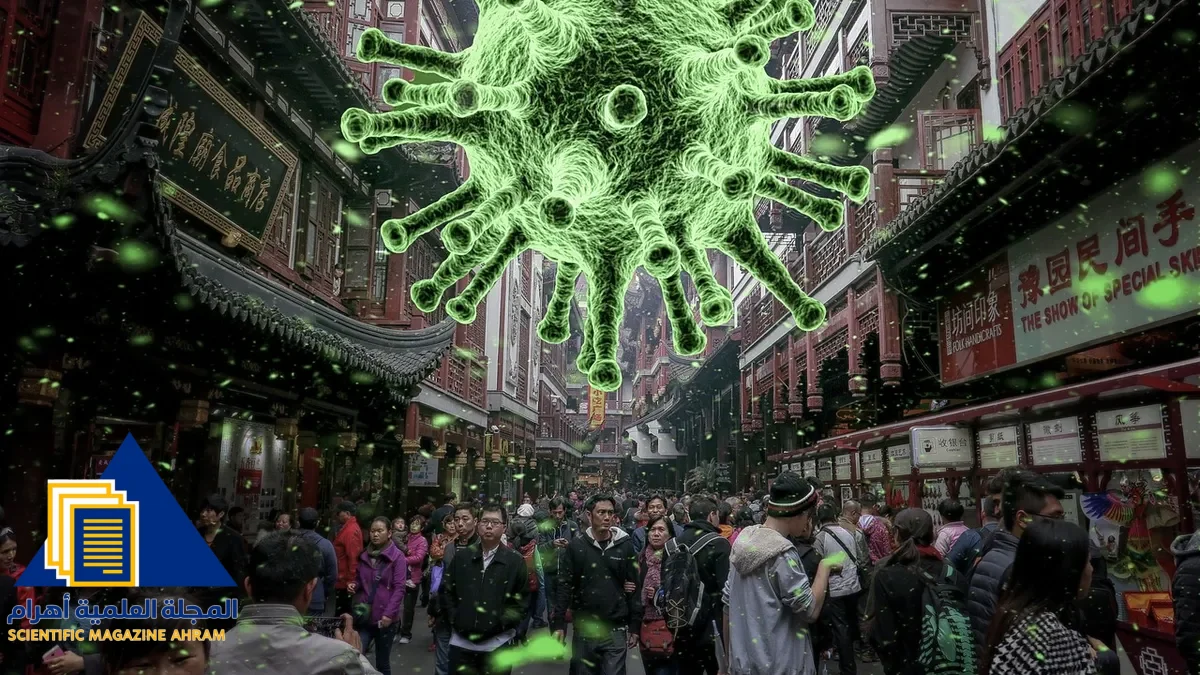

Return of Mpox: A New Global Health Challenge
The mpox virus has returned to the forefront of the global health scene, drawing experts’ attention once again to this viral threat, which has expanded geographically on an unprecedented scale. While outbreaks were once confined to limited pockets within Africa, the virus has now spread to more than 145 countries worldwide, recording nearly 190,000 laboratory-confirmed cases since 2022.
A Shift in the Spread Map and Impact on Children
What raises anxiety in the current wave is not only the broad geographic reach, but also the shift in the groups most affected. Recent data indicates that children are at the forefront of those affected by this outbreak, imposing additional logistical and medical challenges on health systems, particularly in countries recording new introductions of the virus, such as Guinea-Bissau, which faced its first-ever outbreak.
Why Is the Current Situation Different from the Past?
Historically, mpox outbreaks were characterized by relative calm and a direct link to endemic areas in Africa. Today, however, we face strains that may carry genetic changes giving them a greater capacity for spread and infection. This development makes a rapid response imperative; controlling the situation requires a combination of epidemiological vigilance, intensified vaccination campaigns, and raising community awareness about transmission routes to limit the spread of infection among human gatherings.
Toward a Comprehensive Containment Strategy
Cornering the virus requires international solidarity to strengthen early surveillance systems and provide the necessary resources for the most vulnerable areas. Mpox is no longer just a regional disease; it has become a test of the international community’s ability to handle cross-border epidemics. The first step in containment is the need for accurate diagnosis and rapid isolation of cases, while ensuring that medical care reaches children and the groups most at risk, to ensure that this wave does not turn into a long-term health crisis.
By: Hany Sallam
Source: theguardian.com


Latest video
تابع معنا تحليل قراءة الصحف اليومية مع الكاتب الصحفي Hany Sallam عبر