


By: Fatima Tariq
Innovation Club Activity, Faculty of Agriculture, Ain Shams University
Under the supervision and review of Prof. Lamia Radwan
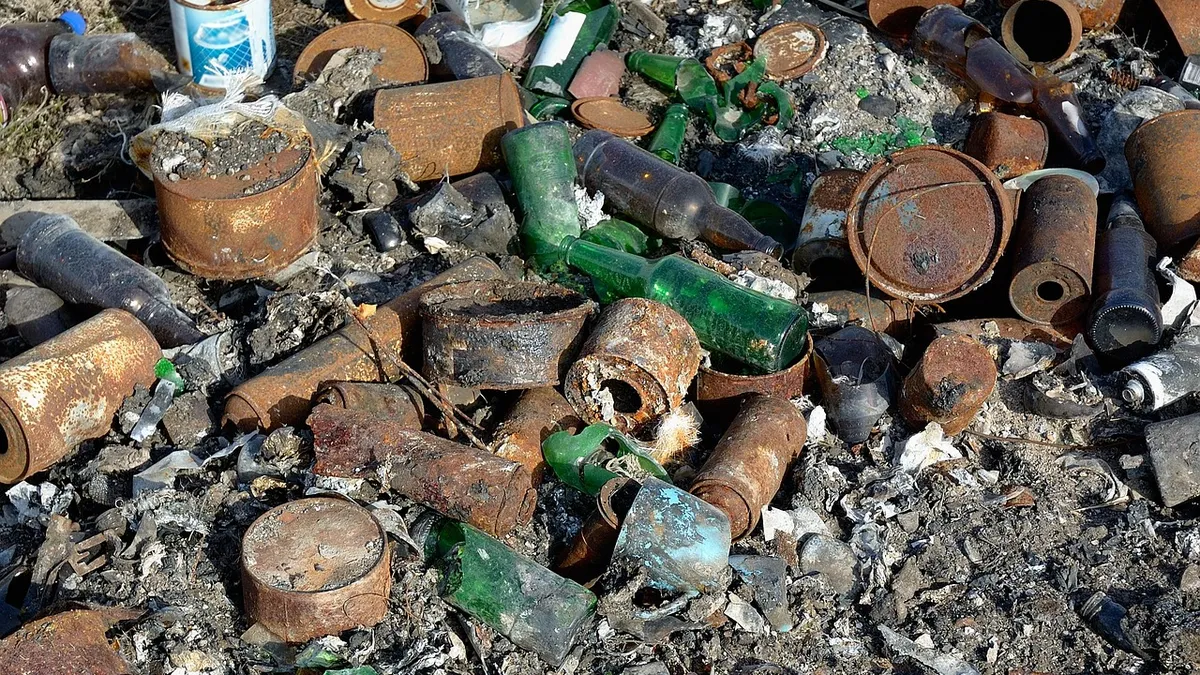
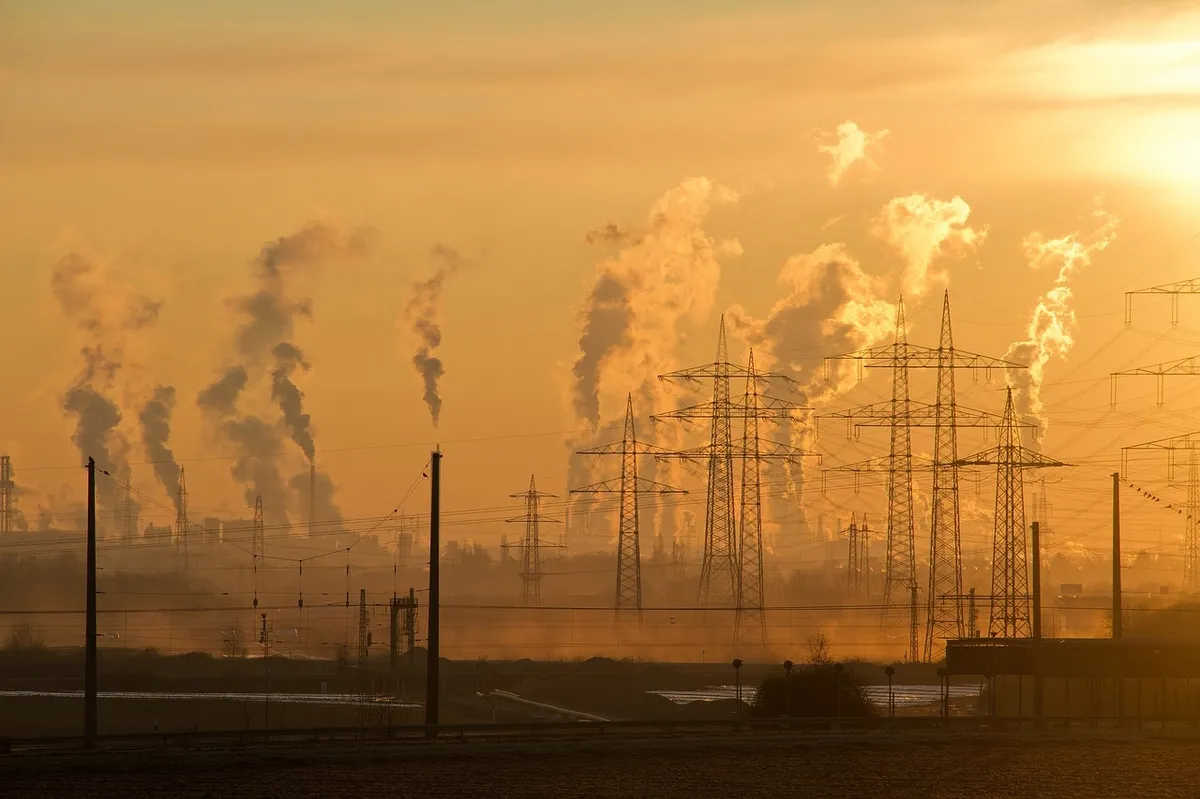
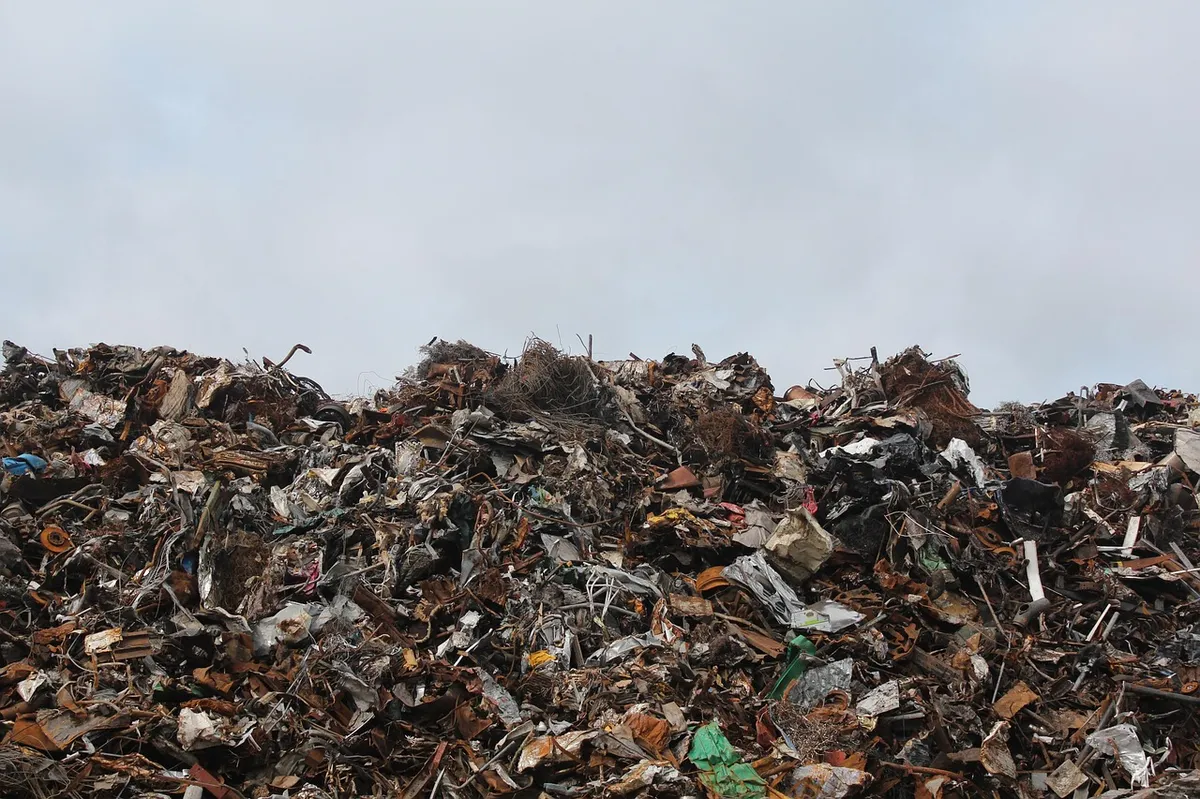
Over time, the amount of plastic waste grows worldwide. Because plastics are durable and degrade very little, they take a long time to break down, while also generating greenhouse gas emissions and environmental pollution.
Solutions such as increasing plastic waste recycling are no longer a comprehensive fix, making the production of bioplastics the solution.
Bioplastics are defined by materials that are:
1. Biodegradable.
2. Produced from biological materials or renewable raw materials such as starch, cellulose, and vegetable oils.
They are also functionally similar to synthetic plastics while remaining environmentally sustainable.
Sources that can be used to produce bioplastics include:
- Plant raw materials
2. Natural polymers such as carbohydrates and proteins
3. Small molecules such as sugars and fatty acids
Microalgae are microscopic organisms that use solar energy to produce ATP, inhabit freshwater and marine environments, and serve in place of many other sources for biofuel production.

Study results have shown that microalgae are among the best sources of biomass for producing bioplastics because they:
- Can grow on waste resources
- Do not compete with food sources
Key compounds contained in microalgae include:
Lipids (7-23%)
Carbohydrates (5-23%)
Proteins (6-52%)
Calcium (0.1-3.0%)
Sodium (0.8-2.7%)
Sulfur (0.4-1.4%)
Common types of microalgae used in bioplastics include:
1. Chlorella:
Green algae found in freshwater, featuring a high protein content of 58% and higher resistance to cracking due to dense cell walls and thermal stability.
2. Spirulina:
Besides being used in the food industry as a protein source, it is distinguished by its ability to adapt to harsh environments and its small cell size.
– When Chlorella and Spirulina are blended with polyethylene, they exhibit different properties and behaviors that further improve the tensile strength of the bioplastic.
Sources:
Atiwesh G, Mikhael A, Parrish CC, Banoub J, Le TT. Environmental impact of bioplastic use: A review. Heliyon. 2021 Sep 3;7(9):e07918. doi: 10.1016/j.heliyon.2021.e07918. PMID: 34522811; PMCID: PMC8424513.
Onen Cinar S, Chong ZK, Kucuker MA, Wieczorek N, Cengiz U, Kuchta K. Bioplastic Production from Microalgae: A Review. Int J Environ Res Public Health. 2020 May 28;17(11):3842. doi: 10.3390/ijerph17113842. PMID: 32481700; PMCID: PMC7312682


Latest video
تابع معنا تحليل قراءة الصحف اليومية مع الكاتب الصحفي Hany Sallam عبر