

By: Prof. Dr. Fadl Abdel Hamid Hashem
Professor of Agricultural Climatology and Climate Change
Agricultural Research Center, Ministry of Agriculture and Land Reclamation, Arab Republic of Egypt

Climate Change and Early Warning for Weather Fluctuations:
Climate change issues constantly claim a spot at the discussion table. Scientists were once divided over whether climate change would happen at all, but over time most evidence has leaned toward confirming that it is taking place. Studies have shown that it will cause numerous problems for the global population regarding food security. Given that the world population is constantly growing and is expected by 2050 to increase by a third—with the highest growth rate occurring in developing countries—the Food and Agriculture Organization (FAO) estimated that the increase needed to meet this demand is for agricultural production to rise by about 60% over current output simply to satisfy required food and feed needs. This is nearly impossible to achieve amid climate change, which is already reducing crop yields due to higher temperatures and harsher weather phenomena. This has led to lower production and declining incomes in vulnerable regions. Therefore, improving early warning systems and increasing the coordination of disaster risk reduction activities have become more important than ever. Early warning is a key element in reducing disasters resulting from climate change; it prevents loss of life as much as possible and minimizes the physical and economic impact of natural disasters.
Extreme Weather Events
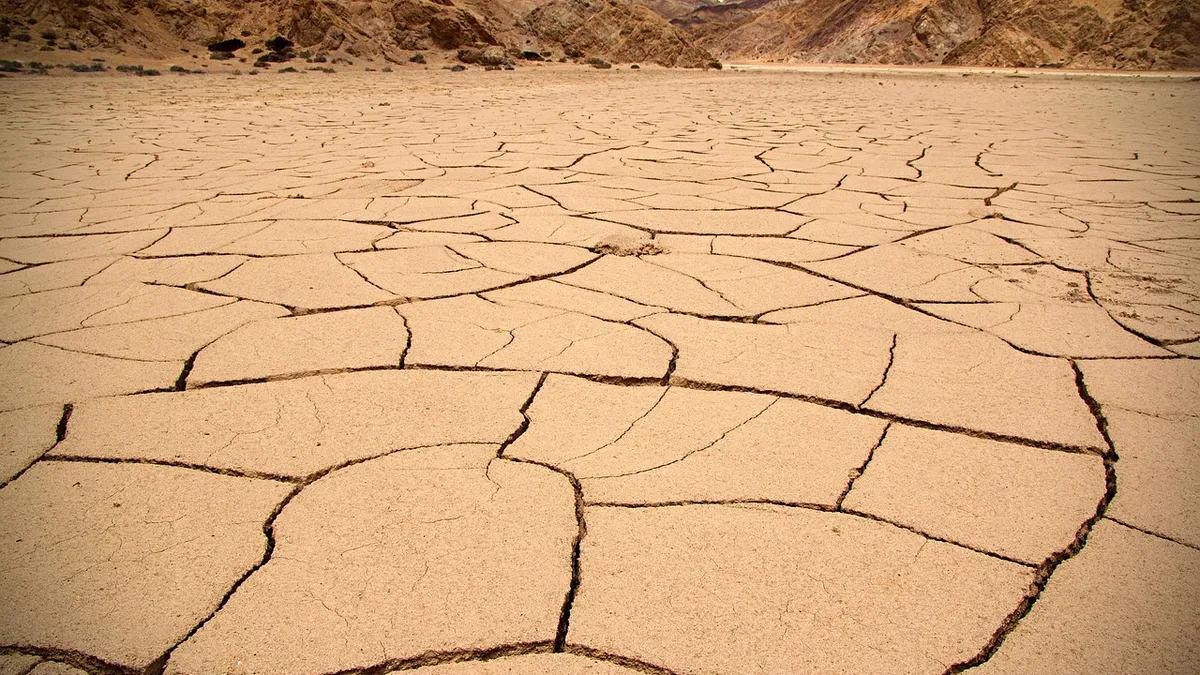
Dry and semi-humid lands are exposed to a number of extreme weather phenomena, with biodiversity being particularly affected by drought and floods. As a result of climate change, the rate of drought affecting land areas is expected to increase beyond current levels by 1 to 30 percent by 2090. In fact, the most severe and prolonged droughts have been recorded over wider areas since the 1970s, particularly in tropical and subtropical regions. The severity of drought will worsen in certain natural areas around the Mediterranean, alongside expected negative impacts. As we currently witness, the severity of drought is increasing in regions where drought did not appear before, such as Europe, not only directly but also indirectly through rising risks from wildfires.
Why Think About Early Warning Mechanisms?
An early warning system is a climate change adaptation measure carried out using integrated communication systems to help farmers prepare for extreme weather waves such as frost or high heatwaves. When successfully implemented, the system can enable farmers to avoid losses in planted crops as part of climate change adaptation activities.
As part of the weather monitoring system development plan, numerical weather prediction models are being introduced. These models serve as an effective early warning tool by forecasting various weather elements from one hour to five days ahead in an effort to reduce weather risks to the agricultural sector, which negatively impact crop productivity. Given the danger of weather fluctuations caused by climate change, there needs to be a fast and effective mechanism to send specialized technical recommendations to farmers to avoid losses from these waves, using modern technology such as mobile applications, text messages (SMS), making these recommendations available on websites, and through various media outlets. All of this aims to deliver these recommendations to farmers quickly before these losses occur.
References
International Fund for Agricultural Development (IFAD) (2008), Climate Change: Building Resilience to the Impacts of Climate Change on Poor Rural Communities, IFAD paper, Enabling Rural Poor People to Overcome Poverty.
Mahmoud Douairy (2008), Climate Change and Its Impact on Agriculture and Possibilities for Mitigating Its Effects, Journal of Agricultural Investment, Issue 6.
Hyogo Framework for Action (2005), Disaster Preparedness for Effective Response (Guidance and Indicators for Implementing Priority 5, Hyogo Framework for Action (2005–2015), Building the Resilience of Nations and Communities to Disasters, United Nations, New York and Geneva.
Khalil A. A. and M. K. Hassanein (2016). Extreme weather events and negative impacts on Egyptian agriculture. Int. J. Adv. Res. 4(12), 1843-18511844.


Latest video
تابع معنا تحليل قراءة الصحف اليومية مع الكاتب الصحفي Hany Sallam عبر