

Prof. Magdy Farouk El-Samahy
Professor of Nanotechnology and Plant Protection, Plant Protection Research Institute, Agricultural Research Center
Officer of the Pesticide Applicators Program in Kafr El-Sheikh Governorate
Head of the Kafr El-Sheikh Branch of the Arab Union for Sustainable Development and Environment
Board Member of the Association of the Council of Egyptian Scientists
Member of the Scientific Research Ethics Committee at Kafrelsheikh University
Advisory Board Member of Ahram Science Magazine
The safe and effective use of pesticides is the primary focus and ultimate goal pursued by all international and local entities and bodies involved in the production, distribution, and use of pesticides.
Pesticide misuse is a highly hazardous societal behavior whose severity varies between countries and communities depending on general culture and attitudes toward personal risk. This demands a broad and sustained role for government, community, and civil entities responsible for guidance, awareness, and media—reaching down to the family level—while persisting with warnings, training, and education without giving up.
Pesticide misuse is the main problem in Egypt’s pesticide system, compounded by the fragmentation of agricultural holdings, the decline in extension services due to employment conditions over the past two decades, and the lack of a specific regulatory framework for agricultural pest control activities and the registration of spraying equipment.
Misuse begins the moment someone considers finding a solution to an emerging pest that threatens a crop. It is necessary to identify the pest, assess the damage it causes, and determine the most appropriate pesticides and equipment to minimize harm, alongside familiarity with technical recommendations. All of this can be learned through agricultural extension and the guidelines of the approved Agricultural Pesticides Committee.
The Agricultural Pesticides Committee at the Ministry of Agriculture ensures that the technical recommendations for each pesticide appear on the product container, specifying the application rate, target pest, treated crop, and necessary precautions to maximize benefits and avoid hazards and damage.
Pesticides should be purchased from a known, recognized, and licensed source, and from a merchant known for honesty and integrity, while securing a clear purchase invoice detailing the quantity and type. Buyers should also select package sizes suited to the area to be treated, in quantities that do not exceed actual needs. It is best to avoid storing pesticides at homes as much as possible, use them only as needed, and never divide products or purchase them from containers that have already been opened or transferred to non-original packaging. Containers must be intact, free of leaks, and carry clearly labeled information.
When transporting a pesticide from the merchant to the application site, it must be kept away from passersby, farm animals, food, and water sources. Dropping containers from heights must be avoided to prevent breakage and subsequent leaks.
Users should avoid applying rates higher than recommended under the assumption that this will yield better results, just as lower rates will not provide the desired control. Both higher and lower rates may lead to the development of pest resistance to the pesticide over time.
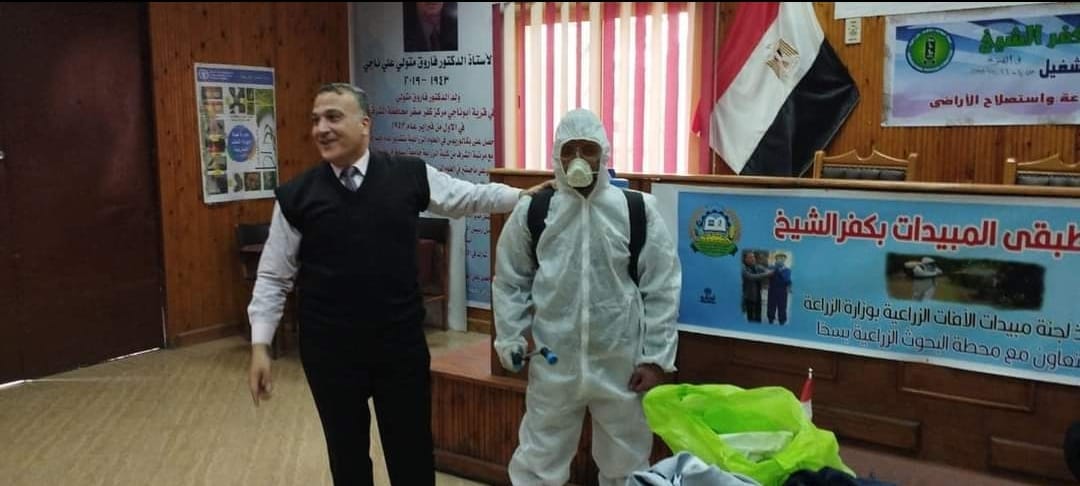
It is very important to wear personal protective equipment according to recommendations to prevent skin and eye contamination, and not to take shortcuts or fail to comply. Even if a pesticide spray is very fine and its odor is faint or entirely absent, it is not safe; these pollutants accumulate and build up, causing harm to humans, animals, and the environment.
Appropriate equipment must be used for mixing water-soluble pesticides, stirring more slowly when handling wettable powders to prevent pesticide dust from billowing. Stirring should be done with a wooden stick or paddle, following proper mixing steps and pouring the mixture into the sprayer motor through a strainer.
Empty containers must be disposed of in accordance with the instructions on the product label.
Sprayers and nozzles must be in good condition and appropriate for the pesticide, and the equipment must be calibrated to produce the correct droplet size for the pest and crop. Spraying should be avoided during windy conditions to prevent droplets from drifting away from the target.
After spraying, workers must strictly observe the pre-harvest interval (PHI) and the required waiting period before safely re-entering the treated field. They should also wash their hands and face thoroughly, clean their personal protective equipment, and store it for future use. In addition, application equipment must undergo periodic maintenance to ensure it remains operational at all times.


Latest video
تابع معنا تحليل قراءة الصحف اليومية مع الكاتب الصحفي Hany Sallam عبر