
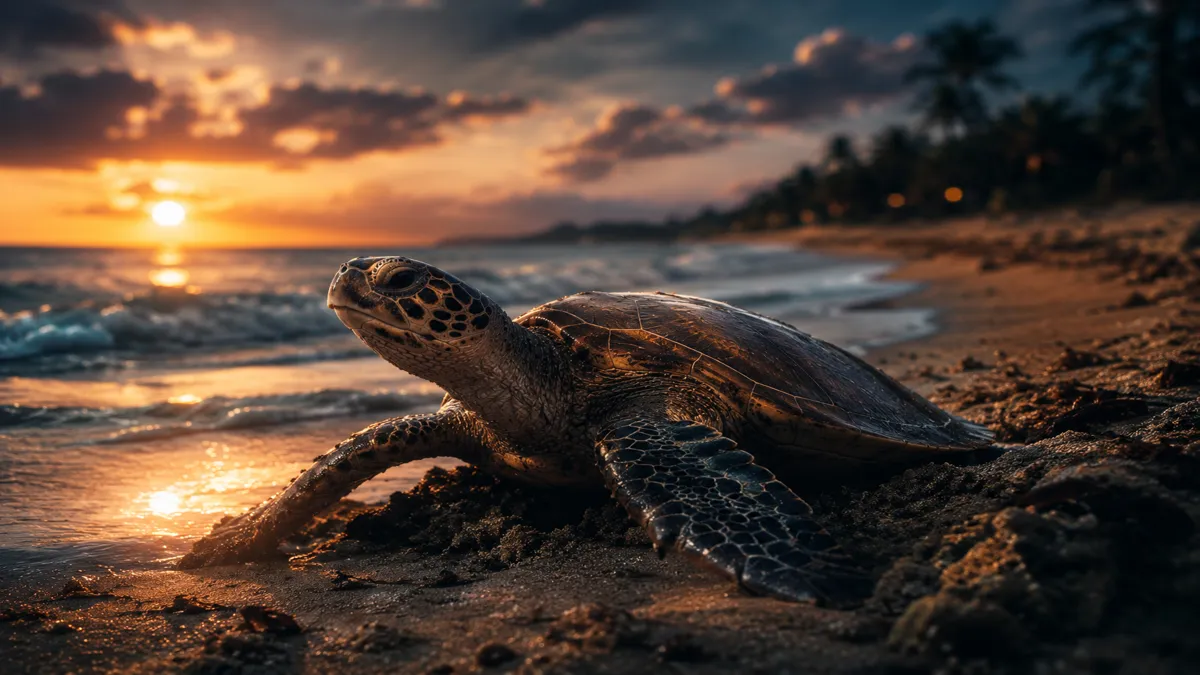

The Red Sea coasts have seen positive signs in recent days of sea turtles returning to their natural nesting sites.
This development is an important step in protecting marine wildlife, especially after years of environmental threats and overfishing.
What Did the Monitoring Teams Reveal?
Environmental teams spotted a clear rise in the number of new nests within known breeding areas.
Environmental cameras also recorded an increase in turtle movement during the egg-laying season.
Increase in Marine Nests
The new figures showed marked growth compared with previous seasons.
Improved Environmental Quality
Cleaner water and reduced pollution also contributed to a greater return of turtles.
Better Protection of Sensitive Areas
In addition, tightened monitoring helped curb human encroachments.
Why Is This Important?
Sea turtles play an essential role in maintaining the balance of the marine ecosystem.
They help protect coral reefs and preserve seagrass meadows.
What Aided the Recovery?
Experts attribute this success to environmental protection programs, increased awareness, and reduced illegal fishing.
Marine protected areas also helped provide a safer environment for breeding.
What Next?
Scientists expect numbers to continue improving over the coming years if conservation efforts persist.
However, they warned that climate change and plastic pollution still pose a major threat.
Conclusion
The return of sea turtles to the Red Sea is important environmental news and a clear indicator of the success of wildlife protection plans.
For this reason, experts affirm that preserving the marine environment has become a necessity to safeguard future biodiversity.
Hany Sallam


Latest video
تابع معنا تحليل قراءة الصحف اليومية مع الكاتب الصحفي Hany Sallam عبر