

By Hany Sallam
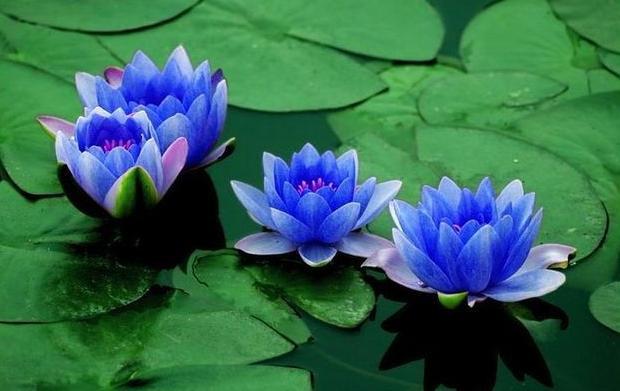
The Egyptian blue lotus was one of the most prominent plants in ancient Egyptian culture, used in religious rituals, medical treatments, and possibly for psychological purposes as well. Scientists and historians are still working to understand its full significance, especially its potential effects on the mind.
The blue lotus is a type of brightly colored water lily that grows in ponds and along the banks of the Nile. Its flower opens in the morning and closes at night, which led ancient Egyptians to associate it with the sun and rebirth. It also features a strong fragrance, making it an essential element in perfumery, art, and religious rituals.
The lotus flower was highly valued in ancient Egyptian society, appearing prominently in temples, papyri, and tomb paintings.
This blue flower was associated with the sun god Ra, as it was “reborn” every morning, making it a symbol of life and renewal. According to the Egyptian creation myth, the god Atum emerged from a blue lotus flower floating on the waters of Nun, the primordial cosmic ocean, cementing its status as a symbol of rebirth and enlightenment.
When King Tutankhamun’s tomb was discovered, archaeologists found blue lotus petals on his mummy, as ancient Egyptians believed the flower helped the dead awaken in the afterlife.


Latest video
تابع معنا تحليل قراءة الصحف اليومية مع الكاتب الصحفي Hany Sallam عبر