
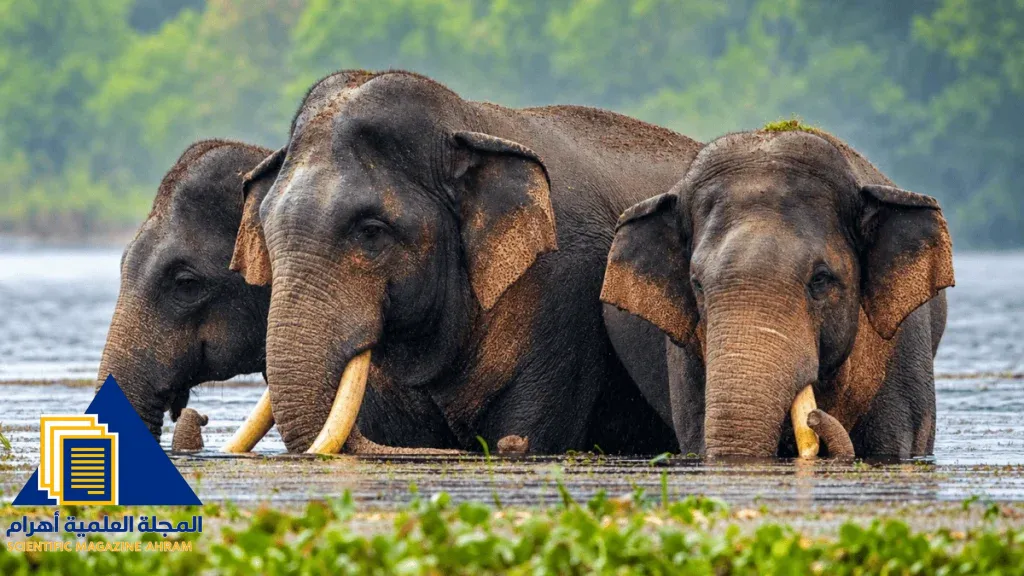

Tragedy in the Forests: The Struggle for Survival
In a scene that embodies the depth of the crisis facing wildlife, the famous elephant “Kavantissa”—classified as the largest tusked elephant in Sri Lanka—suffered a gunshot wound in the Galgamuwa area of the country’s northwest. This elephant, considered an important natural and cultural symbol, was spotted roaming peacefully before showing signs of fatigue and limping the next day. Examinations later revealed a deep gunshot wound, reopening the file on deadly conflicts between humans and elephants.
Galgamuwa: A Focal Point of Danger
Galgamuwa is a hotspot in Sri Lanka, where the natural habitat of elephants increasingly overlaps with agricultural and residential areas. This overlap creates what experts call the human-elephant conflict, where farmers sometimes resort to violence to protect their crops from hungry elephant herds searching for food on human land, often leading to tragic results for both sides.
Conservation Challenges: How Do We Protect the Giants?
The injury to Kavantissa raises urgent questions about the effectiveness of current policies for protecting threatened species. The problem is not limited to the legal or regulatory side, but extends to the need to develop sustainable technical and community solutions. Environmental experts suggest expanding safe corridors for elephants, using harmless deterrent farming methods, and intensifying community awareness programs for local residents regarding the ecological value of these unique creatures.
An Uncertain Future for Sri Lankan Elephants
Kavantissa’s case is not merely an isolated incident, but an alarm bell warning of the deterioration of the ecological balance in Sri Lanka. Protecting the largest elephants requires joint efforts among the government, environmental organizations, and local communities to ensure these majestic creatures do not become victims of encroaching human activity. The survival of these elephants is a measure of the health of the ecosystems upon which we all depend.
By: Hany Sallam
Source: news.mongabay.com


Latest video
تابع معنا تحليل قراءة الصحف اليومية مع الكاتب الصحفي Hany Sallam عبر