


By Dr. Eng. Hisham El-Sherbini

Recently, induction melting furnaces have emerged as strong competitors to electric arc furnaces in steel melting, particularly in scrap steel processing. Looking closely at the steel industry in the Arab world in general and Egypt in particular, many operations are shifting toward induction melting technologies because they are cleaner and more environmentally friendly than electric arc furnaces.
Electric Arc Furnace
Previously, electric arc furnaces were the standard for melting and processing steel. These furnaces have a high design capacity, producing more than 100 tons per hour, and can handle large pieces of scrap at a lower cost.
Although maintaining electric arc furnaces costs less than induction melting furnaces in the short term, they have certain drawbacks, such as high dust volumes, high noise levels, and disruptions in power supply units.

Induction Melting Furnace
In contrast, induction melting uses no graphite electrodes, making it much more environmentally friendly. In addition, induction melting furnaces are typically smaller. However, with the growing demand for steel products, an increased focus on environmental aspects, and the rising production capacity of induction furnaces, the gap between the two furnace types is narrowing fast.
When comparing these types of melting furnaces (induction and electric arc), many factors come into play. In this article, we highlight three key factors: the high cost of graphite electrodes, electrical load, and pollution control.
First: The high cost of graphite electrodes. This represents a major operating cost for plants due to the soaring prices of graphite electrodes, which are essential for operating these units. Electrode costs are rising significantly and are not expected to drop again, causing melting costs to keep climbing.
Although many electric arc furnace users believe that graphite electrode costs will fall, it is hard to deny that this is one of the most common reasons why switching to induction melting furnaces in new projects is more economically and environmentally viable.
Induction melting technology uses no electrodes at all. Instead, the electromagnetic field generated inside the furnace completes the melting process without graphite electrodes. Alongside saving on electrode costs, this field offers other advantages. It allows for better control in obtaining alloys because of its inherent stirring capability, which helps integrate additives more thoroughly into the molten metal.
Second: The electrical load. Until now, steel induction melting technologies have been more popular in India and China than in the United States, for example. Induction melting furnaces offer greater stability in electric current usage compared to electric arc furnaces, with a faster heating rate for melting alongside precise temperature control, making it easy to maintain the required temperature.
In the United States, for instance, where the power grid is more stable, most producers use arc furnaces, which require low initial capital expenditure, have low maintenance costs, and provide high output based on their massive design dimensions. Nevertheless, induction melting furnaces have recently seen increased use in the United States, mainly for energy and environmental reasons, as well as their growing production capacity.
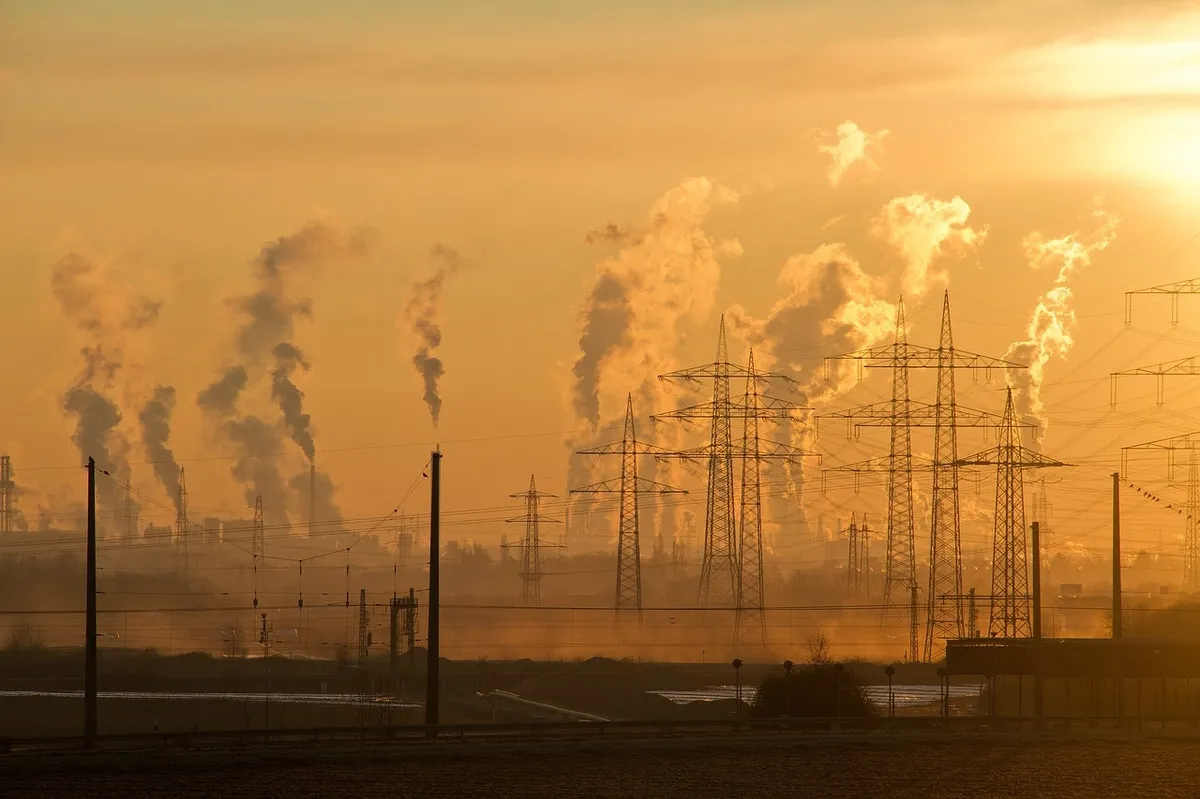
Third: Pollution control. Estimates indicate that the steel industry has spent more than $7 billion on environmental controls over three decades to comply with national standards. Iron and steel plants spend about 15% of their capital expenditures annually on environmental projects. Emissions in the steel industry are generated during all production stages alike: charging, melting, processing, casting, and abrasive handling.
In this context, the US Environmental Protection Agency (EPA) has established Maximum Achievable Control Technology (MACT) standards to control these hazardous pollutant emissions. The EPA has also set strict ambient air quality standards for fine particulate matter and gases that contribute to urban smog.
In conclusion, we can say that electric induction technologies will have the upper hand in the steel industry—as we noted in a previous article regarding both rolling and melting.
References
https://www.foundrymag.com/melt-pour/media-gallery/21931933/the-gap-narrows-between-induction-and-eaf


Latest video
تابع معنا تحليل قراءة الصحف اليومية مع الكاتب الصحفي Hany Sallam عبر