
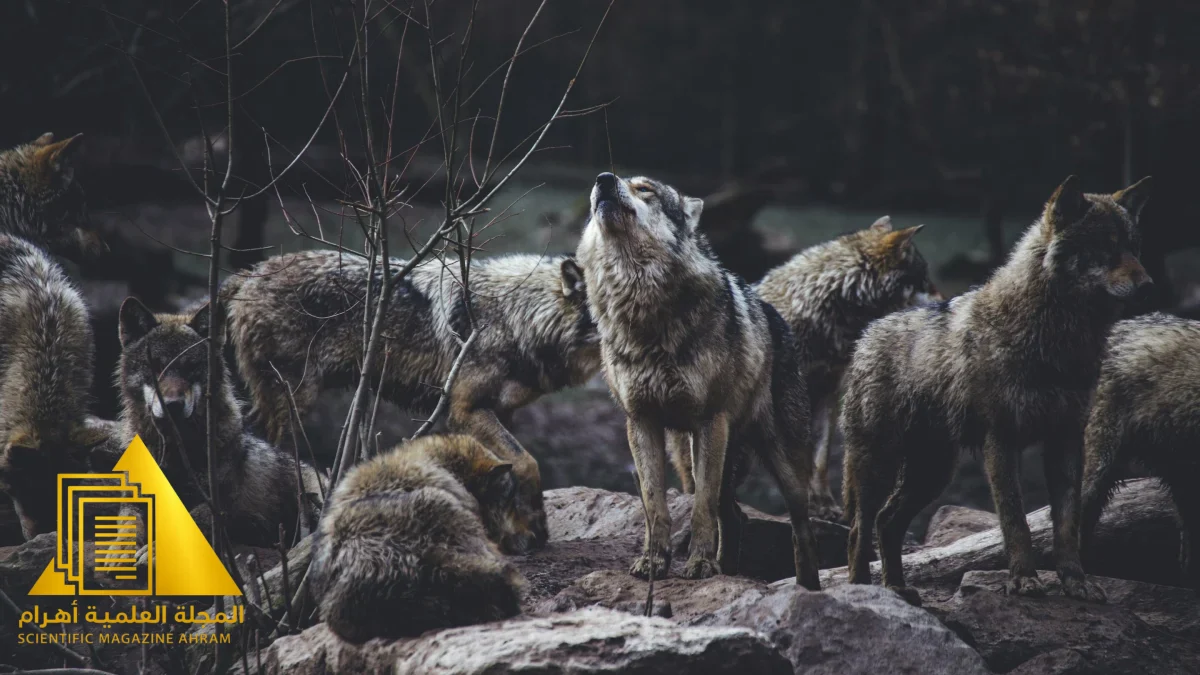

Study Reveals Secret Behind Animals Heading to Populated Areas
In recent decades, planet Earth has witnessed unprecedented changes driven by intensive human activity, as urban expansion and land use have destroyed and lost many natural habitats. Faced with this changing reality, wildlife faces a fateful challenge to survive, prompting researchers to study how these creatures, particularly predators, adapt to human-crafted environments.
A Dance of Hiding and Showing: How Do Predators Avoid Humans?
Researcher Cathy Kasper and her colleagues at prominent international research institutions are leading an in-depth study to understand how predators manage to find a foothold in human-dominated areas. Preliminary findings indicate that the secret lies in “timing” rather than necessarily “location.” Wherever humans are, wildlife is found, but not necessarily at the exact same moment in time.
Smart Animal Adaptation to Urban Expansion
Predators rely on clever evasion strategies, taking advantage of the night or times when intense human activity is absent to move freely in urban and semi-urban environments. This temporal alternation allows them to utilize available resources without entering into direct friction or bloody conflict with humans, highlighting remarkable flexibility in animal behavior.
New Horizons for Protecting Biodiversity
These discoveries help us understand wildlife dynamics in an era of global change and provide important insights for conservation plans. Recognizing how animals share our time-spaces opens the door to designing cities and communities that are more in harmony with nature, ensuring the survival of these species and easing human-wildlife conflict.
By: Hany Sallam
Source: phys.org


Latest video
تابع معنا تحليل قراءة الصحف اليومية مع الكاتب الصحفي Hany Sallam عبر