

When Herders and Wildlife Meet Over a Cup of Tea
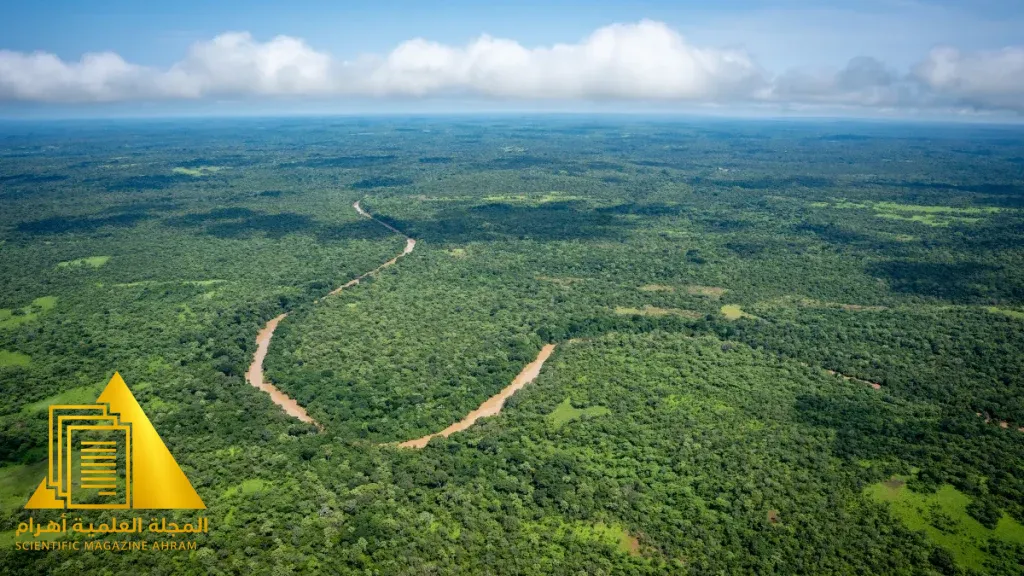
In the heart of Africa—specifically in the Chinko region of the Central African Republic—rainforests and grasslands overlap to form one of the continent’s most important biodiversity reserves. For decades, however, this vital region has faced major challenges posed by climate change and the continuous displacement of nomadic herders from northern Africa in search of water and pasture for their livestock. This ongoing friction previously led to bloody conflicts and severe environmental degradation, causing populations of elephants and lions to drop alarmingly.
Camp Diplomacy: The Role of TANGO Officers
To resolve this dilemma without bloodshed or repression, African Parks led a unique initiative based on dialogue rather than confrontation. Safe grazing corridors were established, and more importantly, liaison officers from the pastoral communities themselves—known as TANGOs—were recruited. These unarmed officers carry simple items such as tea and salt, visiting herders’ camps to sit with them around the fire. Speaking their language and sharing their culture, they explain the importance of preserving the reserve, which provides security for everyone, both humans and animals.
Remarkable Results: Restoring Environmental and Security Balance
This soft-diplomacy policy has proven exceptionally successful; in less than a decade, grazing-related armed conflicts have dropped noticeably in the area surrounding Chinko. Herders have adhered to their designated corridors, allowing areas free from livestock and the marks of degradation to expand from 5,000 square kilometers to more than 26,000 square kilometers. Wildlife has also experienced a notable recovery, with growth rates exceeding 200% for herbivores and carnivores alike.
A Sustainable and Replicable Model
The success of the tea and grazing-corridors experiment in the Central African Republic was not limited to Chinko alone, but was successfully replicated in other natural reserves across the continent, such as Benin, Chad, and the Republic of the Congo. While challenges remain as thousands of head of cattle continue to flow in annually, this approach proves that protecting nature and humanity do not conflict, but can be achieved together through a little human understanding and calm dialogue.
By: Hany Sallam
Source: africanparks.org


Latest video
تابع معنا تحليل قراءة الصحف اليومية مع الكاتب الصحفي Hany Sallam عبر