
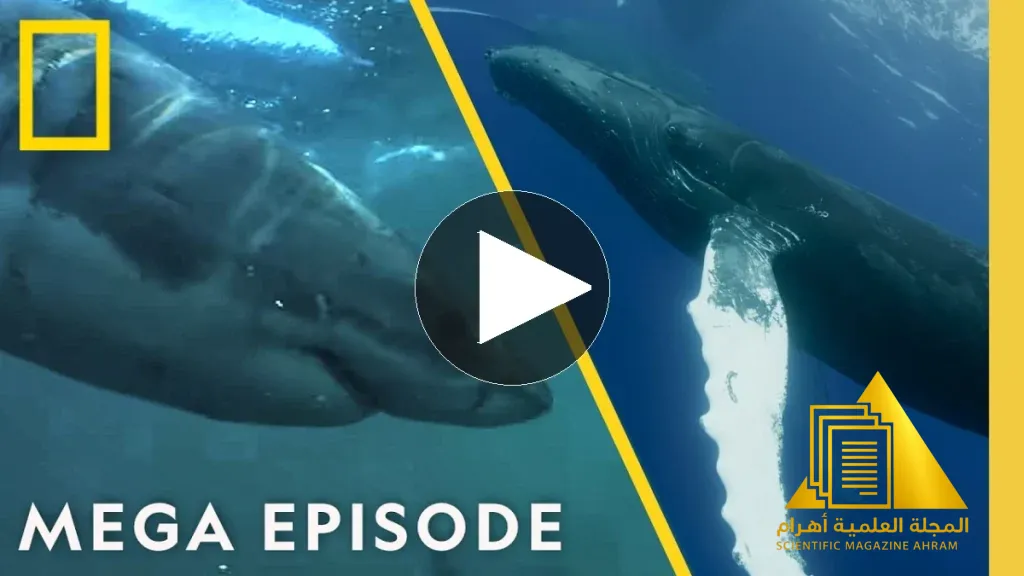

Power Balances in the Depths of the Ocean
The depths of the oceans remain the stage for an unceasing environmental drama, where massive creatures meet in encounters that go beyond simple instinct. At the forefront of these scenes, killer whales (orcas) stand out as architects of predation, as recent studies have shown their exceptional ability to track and neutralize top ocean predators, such as great white sharks, reshaping the ecological map of the seas.
Hunting Strategies and Collective Intelligence
Killer whales rely in their encounters on clever strategies that reflect high-level social coordination. Contrary to the stereotype of the solitary predator, orcas work in organized groups, displaying a deep understanding of their prey’s physiology. Researchers have observed how these whales target the vital vulnerabilities of the white shark, driving sharks to abandon food-rich hunting grounds out of fear of these encounters—an ecological impact known as the “ecology of fear” that alters the behavior of other creatures and the balance of the food web.
The Mysterious Interaction with Humpback Whales
On the other hand, humpback whales emerge as an unexpected party in these interactions. While expectations pointed to them being potential victims of orca predation, field observations have revealed surprising defensive behavior, with humpbacks sometimes intervening to disrupt orca attacks on other creatures. This behavior raises scientific questions about the existence of a level of empathy between species, or perhaps it is an instinctive response to protect the marine environment in which they live.
Environmental Balance under Threat
These encounters are not merely a struggle for survival, but rather an indicator of complex dynamics governing ocean stability. With climate change affecting the distribution of marine organisms, these interactions are becoming more frequent, leading to a reshuffling of the deck in the ecosystem. Our understanding of these behaviors enhances our ability to protect biodiversity and ensure the continuity of marine life, which faces mounting pressures, as the survival of each species remains closely tied to the power balances in this vast aquatic world.
By: Hany Sallam
Source: Nat Geo WILD


Latest video
تابع معنا تحليل قراءة الصحف اليومية مع الكاتب الصحفي Hany Sallam عبر