

An Alarm Bell Threatening Biodiversity in Africa
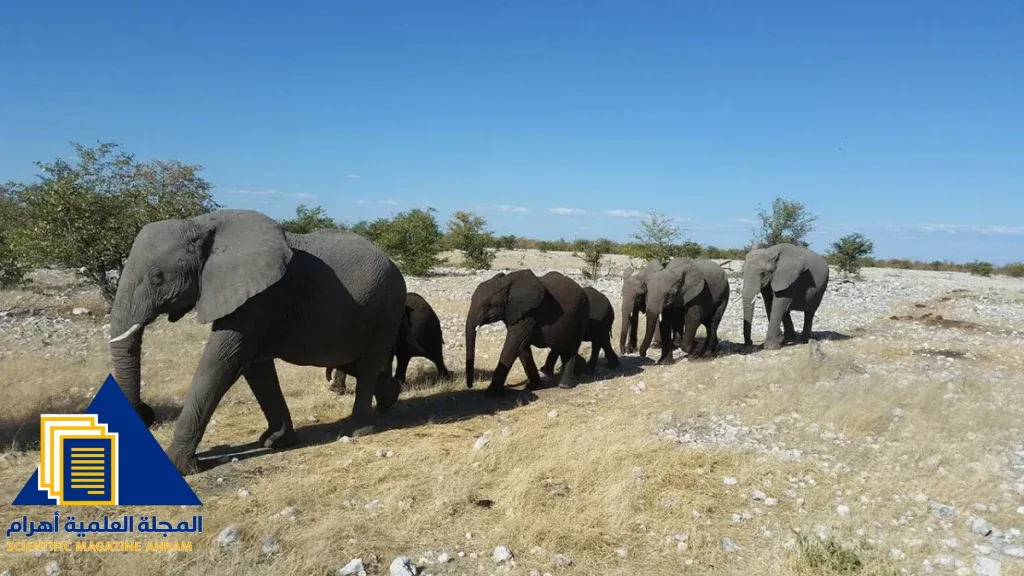
In a fresh shock reflecting the scale of environmental challenges facing our planet, the latest Living Planet report shows that the African continent has lost nearly 80% of monitored wildlife populations since 1970. This sharp decline is not merely a statistical figure; it reflects a profound imbalance in the ecosystems upon which millions of living creatures, including humans, depend.
Behind the Numbers: Causes of Ongoing Deterioration
Scientists attribute this dramatic drop to a combination of complex factors. Chief among them are the loss of natural habitats due to urban and agricultural expansion, alongside poaching and climate change, which alters natural environments at a pace faster than species can adapt. Together, these factors create immense environmental pressure pushing many species toward the brink of extinction.
Hotspots of Hope: When Conservation Efforts Bear Fruit
Despite the grim picture, the report is not without flickers of hope. Researchers have observed recovery hotspots in specific regions across the continent. These successes did not come from a vacuum; rather, they are the product of decades of sustained conservation efforts and sound environmental management. These cases confirm that the decline is not an inevitable fate, and that conscious, continuous human intervention can restore balance to damaged ecosystems.
The Road Ahead
Restoring ecological balance in Africa requires more than mere statements of intent. It calls for international solidarity to support local initiatives, provide the resources needed to protect reserves, and integrate local communities into conservation and sustainability plans. The lesson learned from the Living Planet report is that the window for action is shrinking, and immediate movement is the only guarantee to preserve what remains of the continent’s wildlife heritage for future generations.
By: Hany Sallam
Source: news.mongabay.com


Latest video
تابع معنا تحليل قراءة الصحف اليومية مع الكاتب الصحفي Hany Sallam عبر