

A Journey Into Deep Time
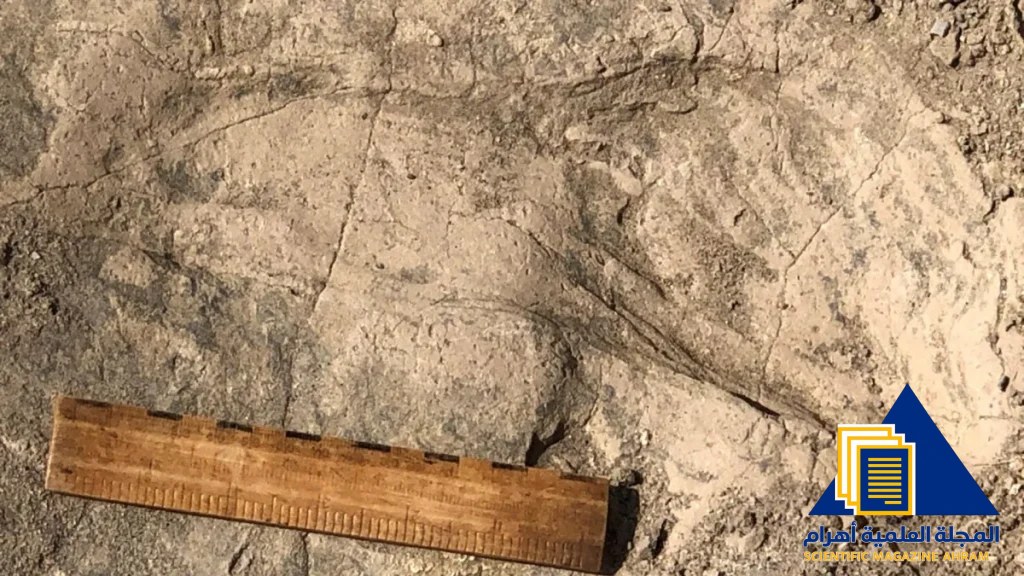
Behind the scenes of deep human history, specifically 1.4 million years ago, the plains of Kenya witnessed a unique family scene. Recent excavations have revealed a set of fossilized footprints belonging to an extinct human ancestor scientifically known as *Paranthropus boisei*, a creature with striking physical features that is reshaping our understanding of the social and physical evolution of these beings.
Secrets of the Massive Skeletons
Scientists long believed that these creatures had a traditional physical build, but the analysis of the footprints delivered a major scientific surprise. Measurements showed that some members of this group possessed massive physical dimensions that rivaled those of modern humans. This disparity in size and physical growth indicates that our ancestors were not merely primitive beings, but possessed a sophisticated biological diversity that allowed them to adapt to harsh environments with higher efficiency than previously thought.
Complex Social Behavior
The footprints were not just fleeting traces, but evidence of an organized social life. The presence of tracks from eight individuals walking together in one direction suggests advanced cooperative behavior. This group gathering indicates that *Paranthropus boisei* may have lived in tight-knit social groups, sharing roles for protection or resource gathering—a behavioral pattern previously thought to be limited to species more closely related to modern humans.
A Window Into Our Mysterious Past
This discovery opens a rare window into the daily lives of our ancestors who lived in Africa during the Pleistocene epoch. The ability to interpret fine details such as walking style, estimated weight, and group formation from mere footprints marks a qualitative leap in anthropology. These silent footprints continue to tell the story of creatures that stood at a pivotal juncture in evolutionary history, reminding us that the human family tree is far more complex and tangled than we ever imagined.
By: Hany Sallam
Source: ScienceDaily


Latest video
تابع معنا تحليل قراءة الصحف اليومية مع الكاتب الصحفي Hany Sallam عبر