
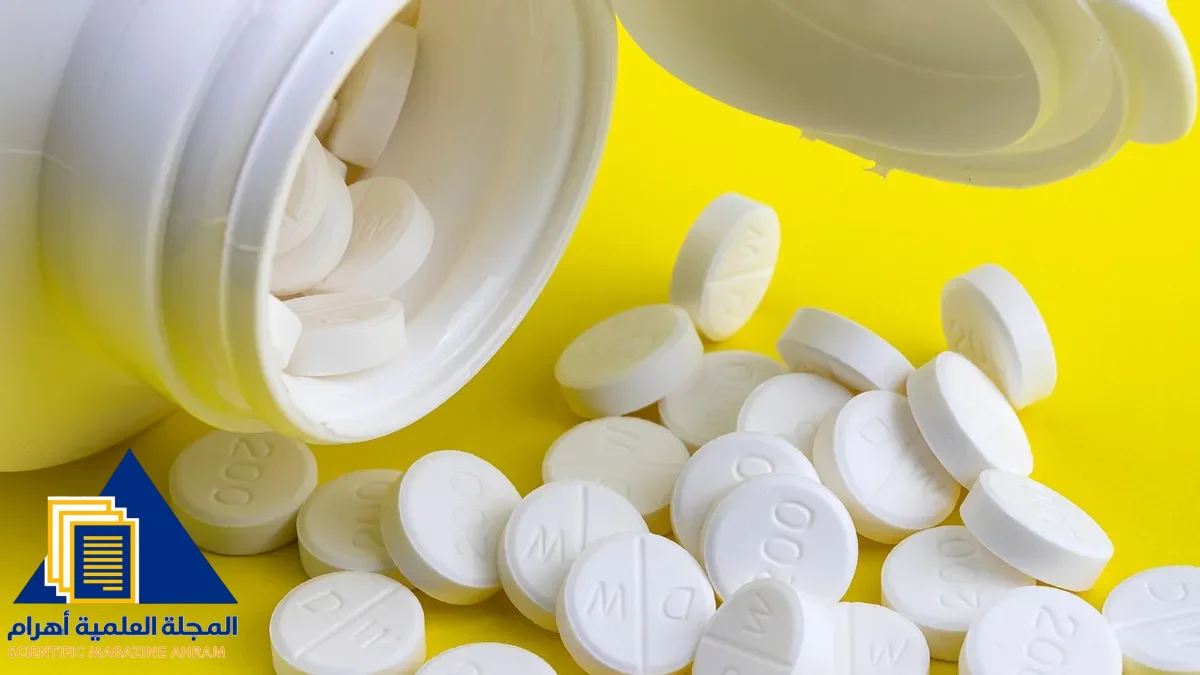

The Arduous Journey of Medicine: Why Does Digestion Ruin the Effectiveness of Some Treatments?
When someone falls ill, we often wish treatment were simply a small pill swallowed with water rather than enduring the bitter pain of injections. But have you ever asked yourself: why does medical ingenuity insist on administering certain medications, such as insulin, exclusively through injections? The answer lies in the arduous journey a pill takes inside our bodies.
First Station: Destructive Stomach Acidity
As soon as you swallow a pill, its adventure begins in an extremely harsh environment. The human stomach resembles a miniature chemical factory, secreting strong acids capable of dissolving metals, along with digestive enzymes specifically designed to break down complex chemical bonds in food. Unfortunately, many modern treatments, especially those based on proteins or nucleic acids, are treated like a “meal”; the digestive system breaks them down and turns them into simple elements that completely lose their medical structure and effectiveness before reaching the bloodstream.
The Intestinal Wall: The Strict Gatekeeper
Even if the medicine somehow survives stomach acidity and reaches the small intestine, it hits an even greater obstacle: the intestinal wall. This wall allows only tiny particles and essential nutrients to pass. Large drug molecules are unable to cross these tight cellular membranes, meaning the medicine remains trapped in the digestive tract cavity to be expelled by the body without the slightest therapeutic benefit.
The First-Pass Hepatic Metabolism Dilemma
Assuming drug molecules manage to slip through the intestinal wall, they do not go directly to the rest of the body. Instead, they empty into the hepatic portal vein, which carries them straight to the liver. The liver is the body’s first line of defense against toxins, so it treats any foreign substance as a potential threat, breaking down a large proportion of it before it reaches the general circulation. This phenomenon, known as first-pass metabolism, ensures the destruction of a massive part of the swallowed medicine’s effectiveness.
Why Injections Remain the Safest Choice
For these strict anatomical and biological reasons, intravenous or intramuscular injections remain doctors’ safest refuge. When a drug is injected directly into the blood or tissues, it completely bypasses the barrier of the digestive system and the liver, reaching the site of injury at full strength and effectiveness. While science evolves day by day trying to invent smart capsules that protect medicine from stomach acids, the journey of digestion remains so far the biggest obstacle to turning every injection into an easy pill.
By: Hany Sallam
Source: SciShow


Latest video
تابع معنا تحليل قراءة الصحف اليومية مع الكاتب الصحفي Hany Sallam عبر